The Airbus A320 family of aircraft has dominated the skies for short and medium-haul flights for decades. Within this family, the Airbus A321 stands out as a workhorse, offering airlines a blend of efficiency, passenger capacity, and range. Whether you’re a frequent flyer curious about the aircraft you board or someone in the aviation industry, this comprehensive overview of the Airbus A321 will equip you with all the essential information.
A Brief History of the Airbus A321
The A321 story began in the late 1980s as a response to market demand for a larger variant of the successful Airbus A320. Airbus stretched the A320 fuselage by four meters, accommodating more passengers and cargo without significantly impacting operating costs. The first A321 took flight in 1993 and quickly gained popularity with airlines worldwide. Over the years, Airbus has continuously improved the A321, introducing new engine options and variants like the A321neo (New Engine Option) for even greater fuel efficiency and range.
Unveiling the A321: Design and Features
A Familiar Yet Enhanced Design
The A321 retains the overall design philosophy of the A320 family, featuring a swept wing for improved aerodynamics and two turbofan engines mounted under the wings. However, the stretched fuselage allows additional passenger seats or increased cargo capacity. The A321 also boasts a fly-by-wire control system, where pilot inputs are translated into electronic signals for smoother handling and greater efficiency.
Passenger Comfort and Amenities
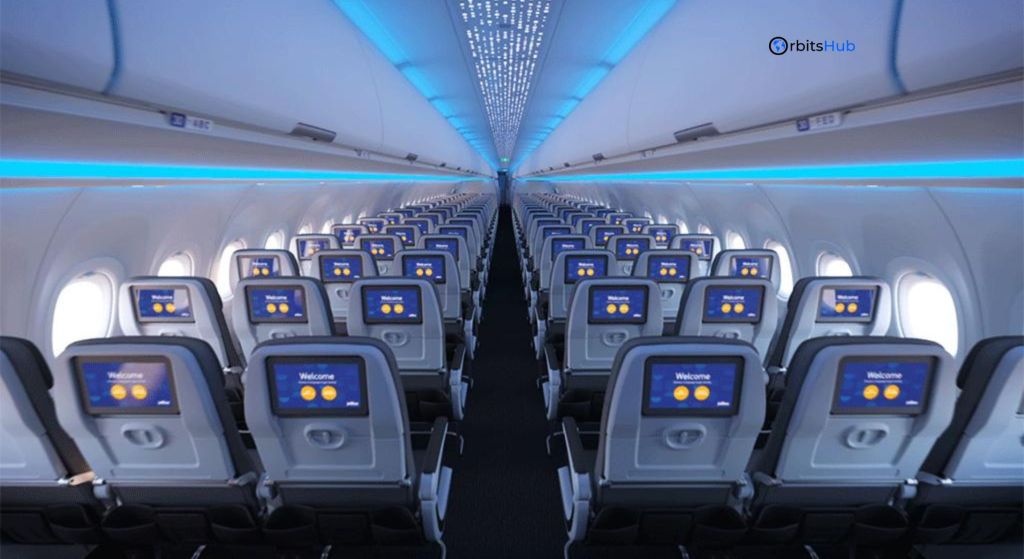
The A321 offers a comfortable cabin experience for passengers on short and medium-haul flights. Airlines typically configure the aircraft in a single-class layout with around 180 to 240 seats, depending on the variant and desired legroom. Modern A321s often feature overhead bins with ample space for carry-on luggage, individual in-seat entertainment systems, and LED lighting for a more contemporary ambience.
Advanced Technologies for Efficiency
The A321 incorporates several technological advancements to enhance its operational efficiency. The fly-by-wire above system reduces pilot workload and improves fuel efficiency. Additionally, modern variants like the A321neo are equipped with next-generation turbofan engines that offer significant fuel savings compared to earlier models. These engines also contribute to reduced noise pollution, making the A321 a more environmentally friendly choice.
Operations and Performance of the Airbus A321

Taking Flight: Performance Characteristics
The A321 boasts impressive performance capabilities, making it suitable for various routes. Its powerful engines enable it to take off and land on relatively short runways, making it ideal for airports with limited infrastructure. The A321 also offers good cruising speeds, ensuring efficient travel times for passengers.
Operational Efficiency: A Key Selling Point
Airlines favour the A321 for its exceptional operational efficiency. Combining fuel-efficient engines, lightweight construction, and advanced aerodynamics reduces operating costs per passenger seat. This efficiency allows airlines to offer competitive ticket prices and expand their route networks.
Maintenance Considerations
The A321 is designed for ease of maintenance, minimizing downtime and keeping operating costs in check. Airbus has implemented a modular design philosophy that simplifies maintenance procedures, allowing airlines to quickly get their A321s back in the air.
Variants of the Airbus A321: Catering to Diverse Needs
The A321 family encompasses several variants catering to airlines’ specific requirements. Here’s a look at some prominent variants:
- A321-100: The original variant with a range of around 3,400 kilometres.
- A321-200: An extended-range version with a range exceeding 4,000 kilometres.
- A321LR (Long Range): A further extended-range variant capable of flying over 4,800 kilometres, making it suitable for longer routes.
- A321neo: The most popular variant featuring new-generation engines for improved fuel efficiency and range. It comes in various sub-variants like the A321neo ACF (Airbus Cabin Flex) with additional passenger capacity.
- A321XLR (Xtra Long Range): The latest and longest-range variant with a staggering range exceeding 8,700 kilometres, blurring the lines between short-haul and long-haul capabilities.
The Future of the Airbus A321
The Airbus A321 story is far from over. Airbus continues to invest in research and development to improve the A321’s capabilities and efficiency further. Here’s a glimpse into what the future holds for this versatile aircraft:
A321XLR: Bridging the Gap
The A321XLR’s extended range opens up new possibilities for airlines. It can operate previously feasible routes with more significant, long-haul aircraft. This allows airlines to offer more point-to-point connections on thinner routes, potentially leading to more competitive pricing and increased passenger travel options.
Sustainable Aviation Fuels
The aviation industry is constantly striving to reduce its environmental impact. The A321 is already a relatively fuel-efficient aircraft, and further advancements in sustainable aviation fuels (SAF) promise even more significant ecological benefits. As SAF becomes more widely available and cost-effective, the A321’s environmental footprint will continue to shrink.
Cabin Innovation and Passenger Experience
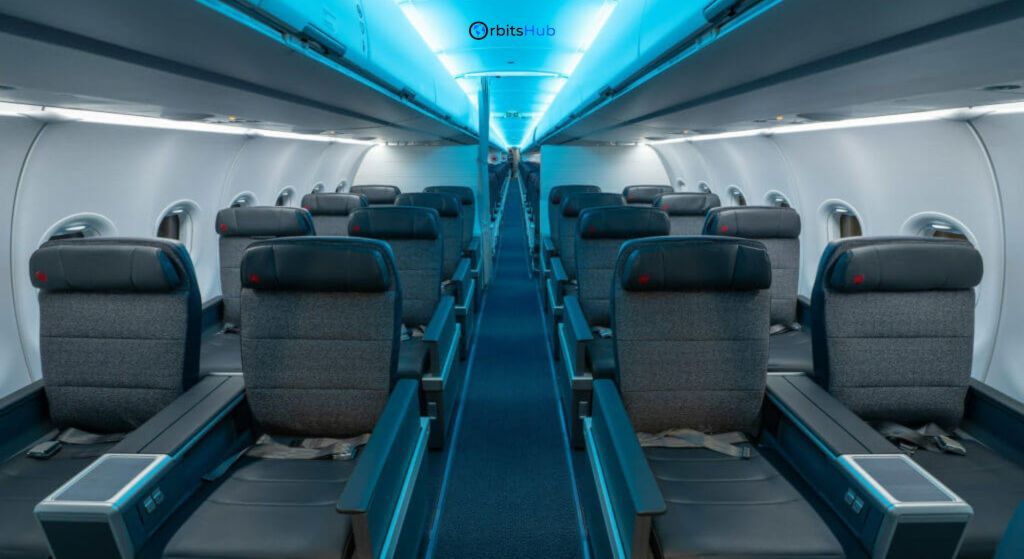
Airbus is constantly exploring ways to enhance the passenger experience on board the A321. This could include innovations in seat design, in-flight entertainment systems, and cabin lighting to create a more comfortable and enjoyable journey for passengers. Additionally, advancements in connectivity could allow passengers to stay seamlessly connected throughout their flight.
The Airbus A321 – A Reliable Partner for the Future
The Airbus A321 has established itself as a cornerstone of the aviation industry, offering a compelling blend of efficiency, passenger capacity, and range. Thanks to constant upgrades and new features, the A321 will likely continue to dominate the short—and medium-haul category in the foreseeable future. Whether you’re an airline considering fleet options or a passenger curious about the aircraft you fly on, understanding the Airbus A321 provides valuable insight into the future of air travel.
For a deeper dive into the world of aviation and maritime consultancy, explore OrbitsHub’s website. This website offers a comprehensive suite of services to assist airlines and naval companies in navigating the evolving landscape of these industries. With their expertise in fleet planning, route optimization, and regulatory compliance, OrbitsHub can help businesses achieve their strategic goals and maximize their success. Visit OrbitsHub to learn more about their services.