Commercial aviation has seen a significant advancement with the C919 aircraft. Its design and production by China’s Commercial Aircraft Corporation (COMAC) mark the country’s entry into the narrow-body aircraft market, which Airbus and Boeing once dominated. In this article, we’ll look closely at the C919 and how its cutting-edge design makes it a formidable competitor in the aviation market.
Targeting Efficiency: Reduced Fuel Consumption and Operating Costs
The C919 prioritizes fuel efficiency, a crucial aspect for airlines seeking to optimize operations and reduce environmental impact. Here’s how the C919 achieves this:
- Advanced Aerodynamics: The C919 boasts a new-generation wing design with composite materials, reducing weight and drag. This allows for smoother airflow and improved fuel efficiency.
- Next-Gen Engines: The aircraft is powered by CFM LEAP-1C aircraft engines, known for their high bypass ratio. This translates to better fuel burn and lower operating costs for airlines.
- Lightweight Construction: The extensive use of composite materials throughout the airframe contributes to a lighter overall weight. This translates to less energy required for takeoff and cruising, further enhancing fuel efficiency.
Passenger Comfort: A Focus on a Pleasant Flying Experience
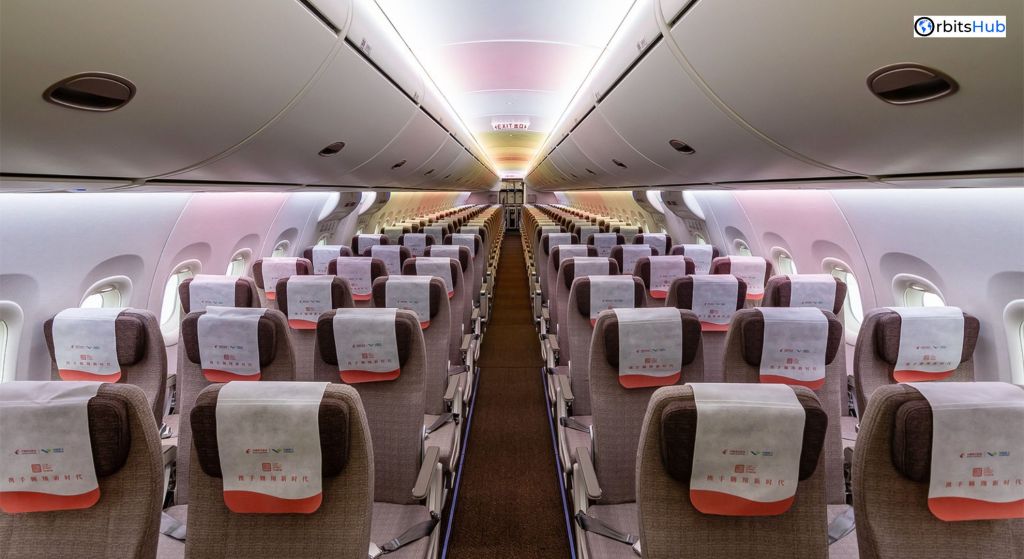
The C919 prioritizes passenger comfort, making air travel a more enjoyable experience. Let’s explore some key features:
- Spacious Cabin: The C919 offers a wide and tall cabin compared to similar-sized aircraft. This translates to more legroom, headroom, and a generally airier feel for passengers.
- Advanced Cabin Environment System: The C919 features a sophisticated air management system that maintains optimal temperature, humidity, and air quality within the cabin. This translates to a more comfortable passenger journey, especially on long-haul flights.
- Reduced Noise Levels: The C919 incorporates advanced noise reduction technologies, resulting in a quieter cabin environment. This allows passengers to relax, work, or sleep more comfortably during the flight.
Technological Advancements: Enhanced Safety and Performance
The C919 integrates cutting-edge technologies that contribute to improved safety and performance:
- Advanced Flight Control System: A fly-by-wire control system enhances stability and manoeuvrability, making the aircraft easier to handle for pilots.
- Modern Avionics Suite: The C919 features a state-of-the-art integrated avionics suite that provides pilots with real-time information and facilitates smooth operation.
- Enhanced Situational Awareness: Advanced weather radar and navigation systems offer pilots greater situational awareness, ensuring safe and efficient navigation under various weather conditions.
Domestic Supply Chain and Technological Advancements for the C919
We can explore the latest developments in China’s aerospace industry that pertain to the C919 here. Delve into specifics such as:
- Localization of Parts: Discuss the increasing use of domestically manufactured parts in the C919, reducing reliance on foreign suppliers and boosting China’s aerospace capabilities.
- Technological Innovation: Highlight how the C919 project has spurred advancements in Chinese aerospace technology, including materials science and manufacturing processes.
- Impact on Future Aircraft: Discuss how the lessons learned from the C919 program can be applied to future Chinese aircraft development, fostering further innovation.
C919 vs. Established Players (Airbus A320neo & Boeing 737 MAX)
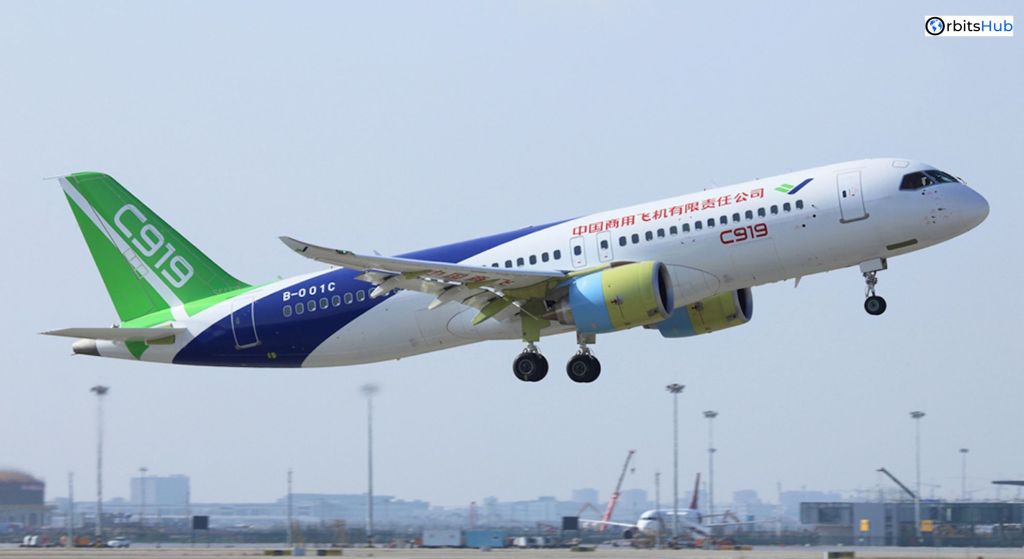
The C919 can be compared to its key competitors in a side-by-side fashion:
- Fuel Efficiency and Performance: Compare the fuel burn, range, and payload capacity of the C919 with the A320neo and 737 MAX.
- Passenger Experience: Analyze cabin size, amenities, and noise levels each aircraft offers.
- Operational Costs: Compare airline maintenance requirements, pilot training needs, and overall operating costs.
The Evolving Aviation Landscape: How Does the C919 Fit In?
The larger setting of the C919’s arrival might be investigated in this way:
- Increased Competition: Discuss how the C919 challenges the duopoly of Airbus and Boeing, potentially leading to more competitive pricing and innovation in the narrow-body market.
- Geopolitical Implications: Analyze the potential impact of the C919 on global aviation politics and trade dynamics.
- The Future of Air Travel: Explore how the C919, along with other new aircraft entrants, might shape the future of air travel in terms of affordability, efficiency, and passenger experience.
The C919 aircraft represents a significant leap forward for Chinese aviation. Its focus on fuel efficiency, passenger comfort, and cutting-edge technology positions it as a strong competitor in the narrow-body airliner market. As the C919 accumulates flight hours and operational experience, it will be interesting to see how it challenges the established dominance of Airbus and Boeing.
At OrbitsHub, a leading maritime and aviation consultancy services company, we can help you navigate the complexities of fleet management.