In the vast expanse of the aviation industry, specific aircraft emerge as icons, leaving an indelible mark on the air travel landscape. Among these revered machines stands the Boeing 757, a pinnacle of engineering prowess and innovation. Born in the early 1980s, the 757 quickly soared to prominence, captivating the imagination of airlines and passengers alike with its remarkable capabilities and enduring legacy.
A Closer Look at the Boeing 757
The Boeing 757, affectionately known as the “rocket with wings,” represents a triumph of design and engineering. Crafted with precision and foresight, this narrow-body twinjet embodies the ethos of efficiency and performance. Every aspect of the 757 was meticulously crafted to deliver unparalleled performance and reliability, from its sleek aerodynamic contours to its powerful engines.
Innovative Design and Engineering
At the heart of the Boeing 757 lies a testament to innovation and technological advancement. Equipped with cutting-edge avionics and lightweight materials, this aircraft is a beacon of efficiency in an era of environmental consciousness. Its advanced wing design and efficient engines enhance performance and minimize fuel consumption, setting a new standard for sustainability in commercial aviation.
Versatility in Operation

One of the Boeing 757’s defining features is its remarkable versatility. This aircraft excels across various operating environments, from bustling urban hubs to remote outposts. Its ability to navigate short runways and distant horizons makes it a preferred choice for airlines seeking flexibility and reliability in their fleet operations. Whether ferrying passengers on short-haul domestic routes or embarking on transcontinental journeys, the 757 repeatedly proves its mettle.
The 757’s Enduring Impact
Despite time and newer aircraft models, the Boeing 757 history endures. Many airlines have used their reliability and efficiency to link the world and promote economic growth and cultural exchange. Its intuitive cockpit design and responsive handling make it a pilot’s favorite.
Impact of the Boeing 757 on Airline Economics
Boeing 757s altered airline prices. Range, capacity, and fuel efficiency have improved airline profitability. Fuel consumption per seat-mile, maintenance costs, and revenue possibilities show how the Boeing 757 influences airline economics. The aircraft’s mobility allows operators to fly locally and transcontinentally with unrivaled network flexibility and revenue management. The Boeing 757’s durability makes it cost-effective for airlines seeking efficiency and financial sustainability.
Evolution of the Boeing 757: From Inception to Retirement
The Boeing 757 has been affected by market, technical, and regulatory changes for decades. Boeing 757 evolved to suit market demands for a versatile narrow-body aircraft and retired owing to industry changes. The Boeing met worldwide aviation industry expectations through design changes, manufacturing milestones, and market reaction. Passenger preferences, aircraft technology, and regulatory constraints that led to its retirement show the aviation industry’s changing face and aircraft manufacturers’ competitive challenges.
The Boeing 757 in Specialized Operations: Cargo, Charter, and Government Use
The Boeing 757 is most known for commercial passenger transport, although it has other uses. Recently, the aircraft has been used for freight transport, charter services, and military operations. We can see how the Boeing 757 has been customize for various niche markets by studying case studies and real-world instances. From freighters for high-value cargo to VIP charters for corporate and leisure travel, the Boeing 757 is a versatile platform for various specialize activities. Its durability and adaptability in harsh mission conditions are shown by its usage in troop transport, medical evacuation, and strategic airlift for government and military use.
Environmental Impact and Sustainability Initiatives of the Boeing 757
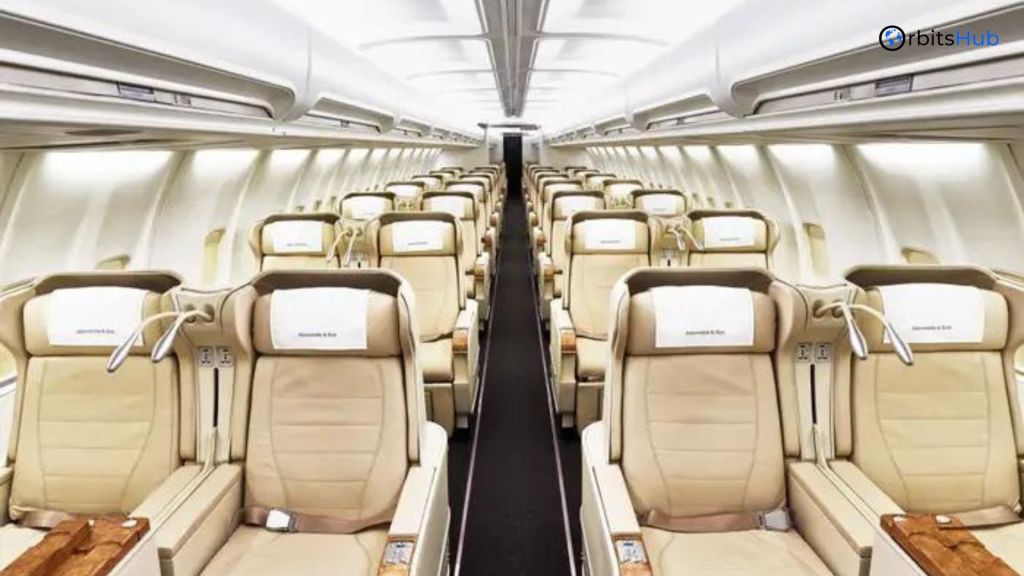
Airlines must use sustainable methods in this age of carbon emissions and environmental awareness. These applications require Boeing 757 agility and energy efficiency. Examine the Boeing 757’s manufacturing, retirement, and recycling environmental impact for sustainability and emission reduction. Airlines, manufacturers, and regulators enhanced Boeing 757’s environmental performance with alternative fuels, efficiency, and green technologies. Aviation sector and best practises can inspire sustainable air transport innovation and collaboration.
One thing becomes abundantly clear as we reflect on the Boeing 757’s storied history and enduring legacy: this aircraft transcends mere metal and machinery. It embodies the spirit of innovation, the pursuit of excellence, and the boundless possibilities of human ingenuity. From its maiden flight to its lasting impact on the aviation landscape, the Boeing is a testament to the power of vision and perseverance.
Are you eager to delve deeper into the fascinating world of aviation? Look only as far as OrbitsHub.com, your premier destination for maritime and aviation consultancy services. Whether you’re a seasoned industry professional seeking expert guidance or an enthusiastic newcomer eager to learn, OrbitsHub offers a wealth of resources to satisfy your curiosity and fuel your passion for aviation.