The mighty ship, conquering the vast oceans, has always held a place of fascination in our history and imagination. From the ancient galleys to the modern behemoths, every element of a ship plays a crucial role in its journey. Today, we set our sights on the stern of a ship, often referred to as the aft or back of the boat, and delve into its significance beyond just being the rear end.
Unveiling the Function of the Stern of a Ship
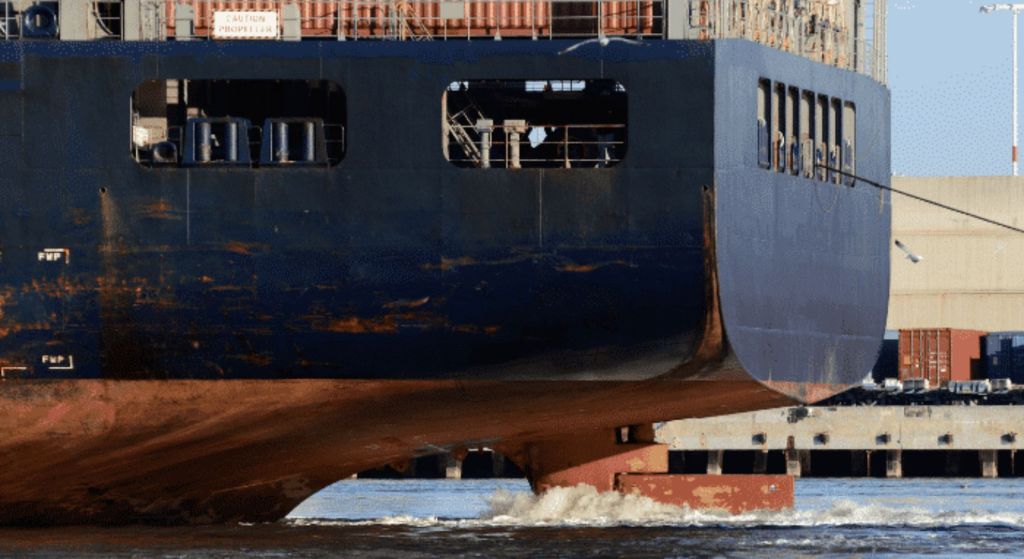
The stern’s primary function is steering the ship. It houses the rudder, a large, flat structure that pivots underwater and is control by the ship’s wheel or helm. By adjusting the rudder’s angle, the captain steers the vessel, precisely guiding it through the water.
But the stern’s role goes beyond just steering. It also serves as a platform for several vital functionalities:
- Navigation: The stern lantern is mount at the highest point, visible from all directions, ensuring the ship’s visibility to other vessels, especially at night.
- Propulsion: In modern ships, the propeller or screw is located at the stern, converting the engine’s power into thrust to propel the boat forward.
- Anchoring: The anchor is typically secure at the stern, ready to be deploy to hold the boat when needed.
- Accommodation: Traditionally, on larger vessels, the captain’s quarters were located at the stern, offering a commanding view of the sea.
The Future of Stern Design: Embracing Sustainability and Automation
- Sustainable Propulsion Systems: Discuss alternative propulsion technologies, such as electric and hybrid engines positioned at the stern. Explore how these can contribute to cleaner emissions and reduced environmental impact.
- Autonomous Navigation and Maneuvering: Highlight the role of the stern in developing autonomous ships. Discuss how advancements in sensors, rudders, and thrusters can enable the stern to play a crucial role in self-guided navigation.
A Journey Through Time: The Evolving Stern
The design and features of the stern have undergone a fascinating transformation over centuries, reflecting advancements in technology, cultural influences, and changing maritime needs. Let’s explore some vital historical styles:
- Transom Stern: This classic design, prevalent from the 15th to 18th centuries, featured a nearly vertical stern with a flat transom above the waterline. It resembled a floating house, often elaborately decorated, showcasing the ship’s grandeur.
- Cruiser Stern: Emerging in the 19th century, this design sloped inwards at the top, offering more excellent stability and improved manoeuvrability, particularly for warships.
- Counter Stern: This modern design features a protruding overhang at the stern, increasing buoyancy and fuel efficiency.
Beyond Function: The Stern as a Canvas of Identity
The stern transcends its functional purpose, becoming a symbol of identity and cultural expression. Throughout history, ships have been adorn with various elements on their sterns, including:
- Figureheads: These carved wooden sculptures, often depicting mythological figures or animals, were position at the bow (front) and sometimes the stern, symbolizing protection and good fortune.
- Coat of Arms: Proudly displayed on the stern, the coat of arms identifies the ship’s owner, country, or affiliation.
- Naming: The ship’s name, prominently painted on the stern, served not only for identification but also carried a sense of pride and tradition.
These elements on the stern and the overall design offer valuable insights to historians and maritime enthusiasts, allowing them to identify the ship’s origin, purpose, and historical context.
Modern Innovations in Stern Design
The relentless pursuit of efficiency and performance has driven continuous advancements in stern design. Here are some notable examples:
- Bulbous Bows and Bulbous Sterns: These bulbous protrusions at the front and back of the ship help reduce wave resistance, leading to improved fuel efficiency and overall performance.
- Azimuth Thrusters: These steerable propellers, often located at the stern, offer exceptional manoeuvrability, particularly beneficial for large ships navigating tight spaces or performing complex manoeuvres.
- Underwater Appendages: Various fins and rudders are incorporate into modern stern designs to improve stability, reduce drag, and enhance overall ship handling.

The Environmental Impact of Stern Design
The design of the stern of the ship can significantly impact the ship’s environmental footprint. Here’s how:
- Fuel Efficiency: As mentioned earlier, innovations like bulbous sterns reduce fuel consumption. Optimized propeller designs also contribute to lower fuel consumption. This results in decreased emissions and a less significant environmental impact.
- Waste Management: Modern ships often feature advanced waste management systems. They include dedicated outlets at the stern for the safe and responsible disposal of wastewater and other forms of waste generated on board.
- Noise Pollution: Careful design considerations are essential for minimizing underwater noise pollution from the stern. These considerations include optimized propeller shapes and the incorporation of noise-dampening materials. The use of optimized propeller shapes helps reduce underwater noise pollution. Noise-dampening materials are incorporated to further protect marine life.
By understanding the evolving role of the stern of a ship, we can appreciate its significance. Its impact on various aspects of maritime operations is worth noting. Beyond just being the back of the ship, the stern plays a crucial role.
The Stern – A Legacy of Innovation and Heritage
The stern showcases human creativity and nautical history. It guides the ship through the waves. The stern also offers a blank canvas for art and holds historical importance. As we continue to explore the vast oceans: – The stern remains a vital element. – It is not just for its functionality, but also for the stories it continues to tell.
Explore the World of Maritime and Aviation with OrbitsHub!
OrbitsHub is at the top of its game regarding marine and aviation consulting. From ship design and construction, we are your trusted partner. In the maritime and aviation industries, we navigate the ever-evolving world with you. We support you in areas of ship design and construction. Our expertise extends to navigation and safety.
FAQ’s
1. What is the stern of a ship?
The stern of a ship refers to its rear or back part. It is opposite to the bow, which is the front part.
2. What are the main components of the stern?
The stern typically houses components like the rudder, which controls the ship’s direction, and the propeller, which propels the boat forward.