Join us as we fly through modern logistics! The efficiency and capability of cargo airplanes power global trade in today’s fast-paced environment. We examine the major features and benefits of the cutting-edge technology powering these flying workhorses. Discover the advancements that make contemporary cargo aircraft essential to worldwide trade as we reveal the secrets of smooth freight transit.

Advanced Navigation Systems in Cargo Aircraft:
Cargo aircraft employ cutting-edge navigation systems to ensure precise and efficient transportation of goods across the globe.
- Global Positioning Systems (GPS): Cargo planes are equipped with sophisticated GPS systems, enabling real-time tracking and accurate positioning. This ensures optimal route planning for fuel efficiency and timely deliveries.
- Inertial Navigation Systems (INS): Advanced INS technology helps cargo aircraft maintain course accuracy even in the absence of external references. This is crucial for long-haul flights and when flying over remote areas.
- Collision Avoidance Systems: To enhance safety, cargo planes feature collision avoidance systems that utilize radar and other sensors to detect nearby aircraft, enabling automated adjustments to avoid potential conflicts.
Types of Cargo Aircraft
Cargo aircraft play a pivotal role in global logistics, transporting goods efficiently across the world. There are several types of cargo aircraft, each designed to cater to specific needs and cargo requirements.
These specialized aircraft are equipped with features such as large cargo doors, reinforced floors, and advanced loading systems to facilitate the quick and secure movement of various types of freight. From smaller turboprop planes suitable for short-haul regional deliveries to massive freighters like the Boeing 747 or the Antonov An-225, cargo aircraft come in diverse sizes and capacities to accommodate the diverse demands of the global supply chain. The seamless integration of air cargo services accelerates the delivery of time-sensitive goods and contributes significantly to the growth and interconnectedness of economies worldwide.
Freighter Aircraft:
Freighter aircraft are purpose-built for cargo transport. They lack windows and are equipped with large cargo doors for quick loading and unloading. Examples include the Boeing 747 Freighter and the Airbus A330-200F.
These aircraft are designed to efficiently transport large volumes of goods over long distances, serving vital roles in global logistics networks. Because of their roomy cabins and sturdy structure, freighter aircraft are essential to international trade and the timely delivery of commodities across continents.
Combination Aircraft:
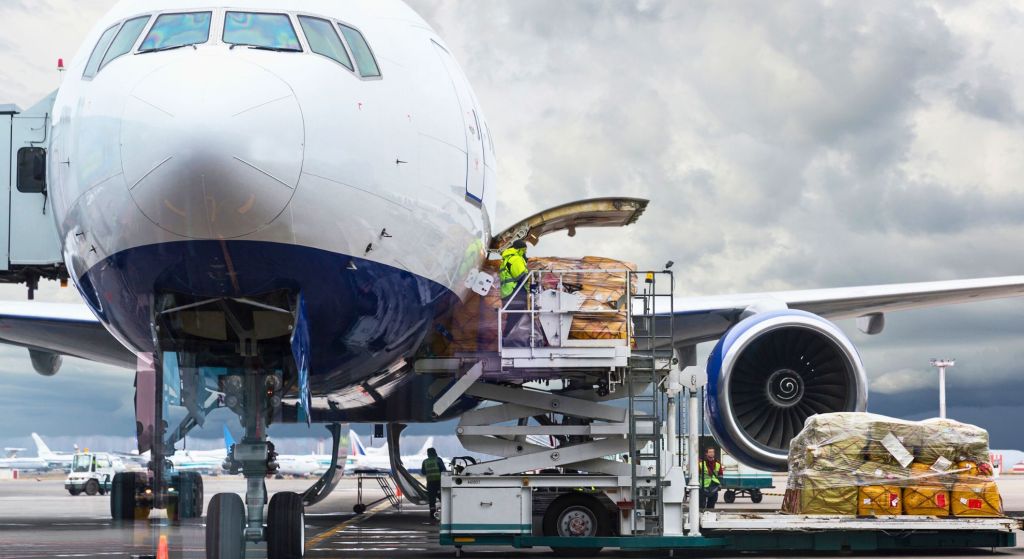
Also known as “combi” aircraft, these planes are designed to carry both passengers and cargo. The cargo compartment is usually located in the lower deck, separated from the passenger area. This dual-purpose design provides flexibility for airlines.
Military Cargo Aircraft:
Military cargo planes like the Lockheed C-130 Hercules are designed for strategic airlift missions, transporting troops, vehicles, and supplies to remote locations. These aircraft are rugged and capable of performing tactical operations.
Specialized Cargo Aircraft:
Some cargo planes are design for specific types of cargo, such as oversized or heavy loads. The Antonov An-225 Mriya, the largest cargo aircraft in the world, is an example use for transporting exceptionally large items.
Civilian Cargo Conversions:
Some passenger aircraft are convert into freighters to extend their operational life. This involves removing passenger amenities and installing cargo-handling systems. The Boeing 767-300ERF is a popular choice for such conversions.
Drones for Cargo Transport:
With advancements in technology, cargo transport is evolving, and unmanned aerial vehicles (UAVs) are being develop for cargo delivery. These drones offer quick and cost-effective solutions for transporting small to medium-sized goods.
Digitalization and Automation in Cargo Aircraft Operations
Integrating digital technologies and automation transforms cargo aircraft operations, enhancing efficiency and reducing operational costs.
Smart Sensors and IoT: Data on cargo conditions, aircraft performance, and maintenance needs can be accessed in real time with Internet of Things (IoT) devices and smart sensors. This data-driven approach enables proactive decision-making and minimizes downtime due to unforeseen maintenance issues.
Automated Maintenance Systems: Modern cargo aircraft utilize automated systems for predictive maintenance, identifying potential issues before they become critical. This reduces maintenance costs and increases the aircraft’s operational lifespan, ensuring reliability and efficiency in cargo transportation.
Aerodynamic Marvels of Cargo Aircraft:
Cargo planes are engineering marvels designed for maximum efficiency in transporting goods over long distances.
- Streamlined Fuselage: The aerodynamic design of cargo aircraft minimizes air resistance, featuring a streamlined fuselage that reduces drag, allowing for faster and more fuel-efficient flights.
- Wing Efficiency: Cargo planes often incorporate advanced wing designs, such as swept wings, to optimize lift and fuel efficiency. This design reduces turbulence and enhances stability during flight.
- Innovative Materials: Lightweight and durable materials like carbon composites are use in cargo aircraft construction, contributing to enhance aerodynamics and overall fuel efficiency.
Smart Loading Solutions in Cargo Aircraft:
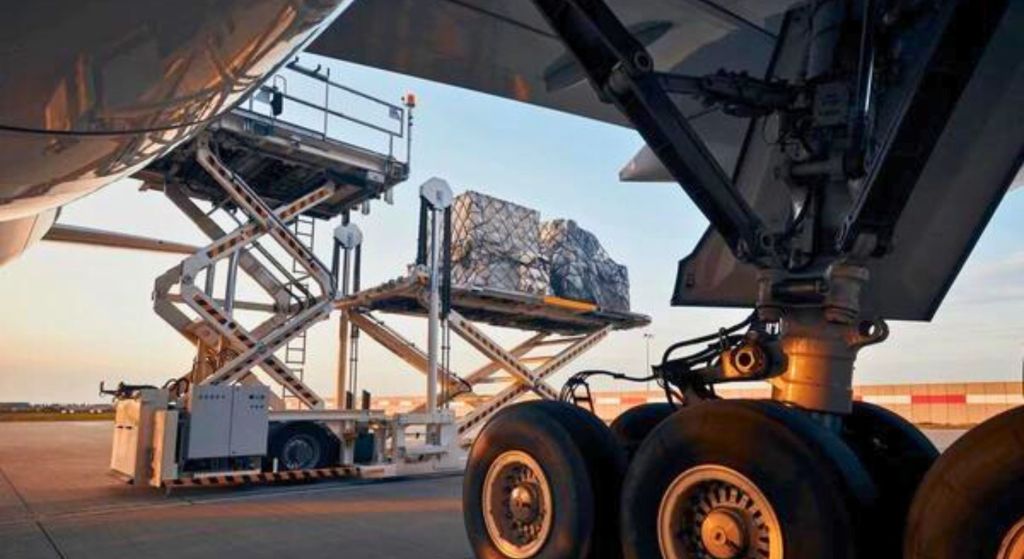
Efficient loading and unloading of cargo are critical aspects of air freight, and cargo aircraft employ smart solutions for streamlined operations.
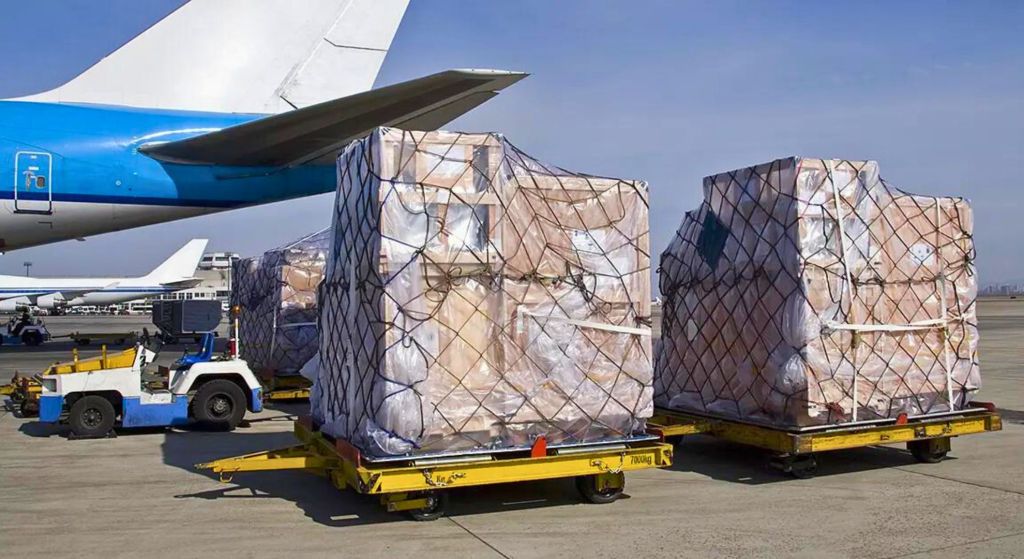
- Automated Cargo Systems: Cargo planes utilize automated loading and unloading systems, reducing turnaround times at airports. This automation ensures the swift and precise movement of goods, minimizing delays.
- Weight Distribution Algorithms: Smart loading solutions include algorithms that calculate the optimal distribution of cargo within the aircraft for balanced weight, promoting stability during flight.
- Containerized Cargo Handling: Cargo planes often employ standardized cargo containers, facilitating quick and easy loading and unloading. This standardized approach enhances efficiency and reduces the risk of errors in cargo handling.
Fuel-Efficient Engines:
Cargo aircraft have undergone a revolutionary transformation with the integration of fuel-efficient engines, ushering in a new era of sustainability and cost-effectiveness.
Advancements in Technology: The adoption of cutting-edge technology, such as high-bypass turbofan engines, has significantly improved fuel efficiency. These engines optimize the balance between thrust and fuel consumption, ensuring that cargo planes can cover longer distances with reduced fuel consumption.
Environmental Impact: Fuel-efficient engines contribute to a greener aviation industry by lowering carbon emissions. This is a critical aspect in addressing climate change concerns and aligning the cargo aviation sector with global environmental sustainability goals.
Operational Cost Savings: The economic benefits are substantial, as fuel costs constitute a significant portion of operating expenses. Cargo companies can enhance their profitability by investing in modern aircraft equipped with fuel-efficient engines.
Extended Range: These engines enable cargo planes to cover extended distances without compromising on payload capacity, opening up new trade routes and logistical possibilities for global cargo transportation.
Safety Redefined:
Cargo aircraft are at the forefront of redefining safety standards, incorporating state-of-the-art technologies and protocols to ensure the secure transportation of goods.
Advanced Navigation Systems: Modern cargo planes are equip with advance navigation systems that enhance precision during takeoff, landing, and en-route phases. This reduces the likelihood of accidents, especially in challenging weather conditions.
Collision Avoidance Systems: Preventing accidents in the air is now easier with the help of advanced technology on cargo planes. These systems use radar and other sensors to find possible conflicts and change the plane’s direction automatically to stay clear of other planes.
Load Monitoring and Distribution: Safety is not only about the aircraft itself but also about how cargo is loaded and distributed. Advance load monitoring systems ensure that the cargo is evenly distributed, preventing imbalances that could jeopardize the aircraft’s stability.
Emergency Response Planning: Cargo aircraft adhere to stringent emergency response planning, ensuring that the crew is well-trained to handle unforeseen situations. From fire suppression systems to emergency evacuation procedures, safety is a top priority in the design and operation of modern cargo planes.
FAQs

1. What are the key features that set modern cargo aircraft apart from their predecessors?
Modern cargo aircraft boast advanced features such as state-of-the-art avionics, fuel-efficient engines, and enhanced cargo handling systems. These features not only improve performance but also contribute to a more sustainable and cost-effective operation.
2. How do modern cargo aircraft contribute to the efficiency of global supply chains?
The speed and range of modern cargo plane play a pivotal role in reducing transit times, enabling just-in-time deliveries, and facilitating the swift movement of goods across continents. This efficiency is crucial for maintaining the competitiveness of businesses in the global marketplace.
3. What technological advancements have been made in cargo handling systems?
Cargo handling systems in modern aircraft are equip with automation and robotics, allowing for quicker and more precise loading and unloading of cargo. This not only accelerates the logistics process but also ensures the safety of goods during transit.
4. How do top-tier features enhance the safety and security of cargo transported by these aircraft?
Advanced navigation systems, weather prediction tools, and secure container compartments protect cargo during transport. These procedures safeguard crucial cargo and supply chain integrity.
5. In what ways do modern cargo aircraft support environmental sustainability?
Many modern cargo aircraft are design with fuel-efficient engines and lightweight materials, reducing their environmental footprint. Additionally, advancements in route optimization and aerodynamics contribute to minimizing fuel consumption and emissions, aligning with global efforts towards sustainability.
Our journey into the realm of modern cargo aircraft has unveiled a world of innovation and efficiency. These airborne marvels are not just carriers of goods; they are the lifelines of global trade, connecting businesses and economies across the globe. As we witness the ongoing evolution of technology in aviation, the top-tier features and advantages of modern cargo plane continue to shape the future of logistics, ensuring a seamless and rapid flow of goods in our interconnected world.