The Boeing 727 stands as a monumental achievement in the aviation industry. Introduced in the early 1960s, this aircraft revolutionised air travel, setting new standards for performance and reliability. With its distinctive design and groundbreaking features, the Boeing 727 quickly became popular among airlines and passengers. We will delve into the history, design, and legacy of the Boeing 727, highlighting why it remains an iconic symbol in the world of aviation.
The Birth of the Boeing 727
Development and Design
The Boeing 727 was developed in the 1960s to meet the growing demands of the airline industry. Airlines needed a jetliner to operate efficiently on shorter routes while offering enormous aircraft performance and reliability. Boeing responded to this need by designing the 727 with a trijet configuration, which included three engines—one on each side of the rear fuselage and one in the tail. This innovative design allowed the aircraft to operate from shorter runways, making it ideal for domestic and international flights.
First Flight and Initial Reception
On February 9, 1963, the Boeing 727 made its first flight. A new age of commercial flying began with this event. Passengers and airlines alike were impressed by the plane’s cutting-edge amenities, roomy cabin, and peaceful flight. Airline companies all across the globe were flocking to the 727 because of its efficiency and adaptability.
The Success of the Boeing 727
Dominance in the Market
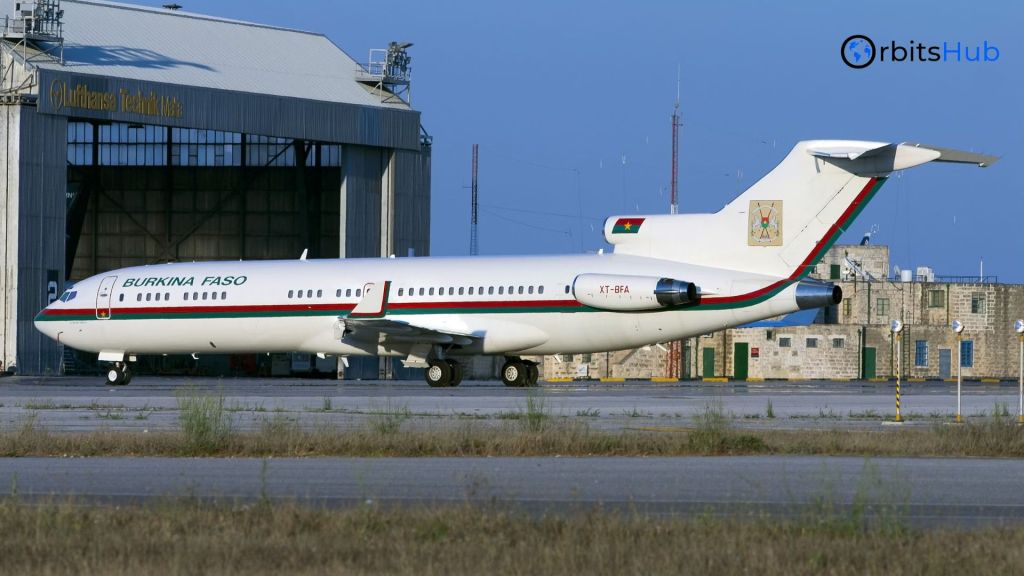
Throughout the 1960s and 1970s, the Boeing 727 dominated the commercial aviation market. It became the best-selling jetliner of its time, with over 1,800 units produced. Airlines favoured the 727 for its reliability and performance, translating into higher profitability. The aircraft’s ability to operate from shorter runways expanded the reach of airlines, allowing them to serve more destinations.
Technological Innovations
The Boeing 727 was a commercial success and a technological marvel. It introduced several innovations that set new standards in the aviation industry. The trijet configuration, for example, provided better performance and fuel efficiency than earlier jetliners. The aircraft also featured advanced avionics and autopilot systems, which improved safety and operational efficiency. These innovations made the 727 a preferred airline choice and helped cement Boeing’s reputation as a leader in aircraft manufacturing.
Impact on the Aviation Industry
Influence on Future Aircraft Design
The success of the Boeing 727 had a profound impact on future aircraft design. The trijet configuration and other technological advancements influenced the development of subsequent jetliners. Aircraft manufacturers began to focus more on efficiency, performance, and passenger comfort, taking cues from the 727’s design. This shift in focus led to the development of more advanced and efficient aircraft, shaping the future of commercial aviation.
Legacy and Retirement
After decades of service, the Boeing 727 began to be phased out in favour of newer, more advanced aircraft. Despite its retirement from commercial service, the 727’s legacy lives on. Many retired 727s have found new life as cargo planes, private jets, and even training aircraft for aviation schools. The aircraft’s contribution to the aviation industry remains significant and continues to be celebrated as one of the most successful jetliners in history.
The Boeing 727 in Popular Culture
Media Appearances
The Boeing 727 has made numerous appearances in films, television shows, and advertisements, further cementing its status as an iconic aircraft. Its sleek design and distinctive profile have made it popular for filmmakers and advertisers looking to depict air travel. From action-packed scenes in Hollywood blockbusters to serene flights in commercials, the 727 has starred in many memorable moments on screen.
Enduring Popularity
The Boeing 727 has an enduring allure for aviation fans and the general public long after it has retired from service. The history of the 727 is perpetuated through model kits, movies, and aviation museums devoted to it. The plane’s lasting appeal is a reflection of its cultural significance and its influence on aviation history.
The Role of the Boeing 727 in Developing Markets

Expanding Global Connectivity
The Boeing 727 was crucial in expanding global connectivity, particularly in developing markets. Its ability to operate from shorter runways made it ideal for airports in regions with less-developed infrastructure. This capability allowed airlines to establish routes to new destinations, fostering economic growth and enabling greater access to air travel for people in these areas.
Boosting Local Economies
By connecting remote and underserved regions to significant cities, the Boeing 727 helped boost local economies. It facilitated tourism, trade, and business travel, contributing to the development of these regions. The increased accessibility provided by the 727 had a ripple effect, spurring investment in infrastructure and improving the overall standard of living.
The Boeing 727’s success story is a testament to innovation, reliability, and the ability to meet the evolving needs of the aviation industry. From its development and first flight to its dominance in the market and its lasting impact on aircraft design, the 727 has left an indelible mark on the world of aviation. As we reflect on its legacy, it’s clear that the Boeing 727 will always be remembered as a pioneering aircraft that helped shape the future of air travel.
For more insights into the world of aviation and maritime consultancy, explore Orbitshub. Discover how we can help you navigate the complexities of these dynamic industries with expert guidance and innovative solutions.