

The MiG-41, known by its project name PAK DP (Perspective Aviation Complex for Long-Range Interception), is a highly anticipated sixth-generation interceptor aircraft develop by Russia’s Mikoyan aerospace firm. This futuristic jet promises to be a game-changer in aerial warfare, boasting hypersonic speeds, advanced stealth capabilities, and a range that could redefine air defence strategies. However, the MiG-41 Fighter remains shrouded in some mystery, with its development shrouded in secrecy and its first flight still on the horizon.
Hypersonic Speed: MiG-41
The defining characteristic of the MiG-41 is its projected hypersonic speed. Hypersonic refers to speeds exceeding Mach 5, or five times the speed of sound. This incredible velocity would allow the MiG-41 to intercept enemy aircraft and missiles with unprecedented agility and effectiveness.
Here’s what such hypersonic speed brings to the table:
- Reduced Reaction Time: With hypersonic speeds, the MiG-41 could respond to threats much faster than current fighter jets. This is crucial for defending against high-speed missiles or rapidly deploying aircraft.
- Extended Operational Range: Hypersonic speed and advanced fuel-efficient engines could reach the MiG-41 globally. This would allow for extended air patrols and the ability to quickly engage threats anywhere on the planet.
- Superior Maneuverability: Hypersonic speeds also offer unique advantages in manoeuvring. The MiG-41 could perform impossible manoeuvres for slower jets, making it a more formidable opponent in close-quarter engagements.
Stealth Technology: MiG-41 Fighter Jet
While speed is a significant advantage, the MiG-41 fighter is also rumoure to possess advanced stealth capabilities. This means the aircraft would be design to have a minimal radar signature, making it difficult for enemy radars to detect. This invisibility cloak would be achieve through:
- Advanced radar-absorbent materials: The airframe of the MiG-41 could be construct using unique materials that absorb radar waves, reducing its visibility on enemy radar screens.
- Unique airframe design: The shape of the aircraft itself could be optimize to deflect radar waves, further minimizing its radar signature.
- Weapon bay integration: The MiG-41’s weapons might be house internally, eliminating radar returns from external weapons mounts.
By combining hypersonic speed with stealth technology, the MiG-41 would become a nearly undetectable aerial threat, capable of surprising and overwhelming adversaries.
Cutting-Edge Technologies: MiG-41 Fighter
The MiG-41’s development pushes the boundaries of aviation technology. Here are some of the cutting-edge advancements we might see incorporated into this next-generation fighter:
- Variable-cycle engines: These advanced engines could adjust their operation based on flight conditions, maximizing efficiency at high and low speeds.
- Advanced avionics: The cockpit of the MiG aircraft will likely feature state-of-the-art sensors, displays, and artificial intelligence to assist pilots and enhance situational awareness.
- Directed-energy weapons: The MiG-41 could outfit itself with laser weapons to engage enemy aircraft or missiles at a distance.
These potential innovations further solidify the MiG aircraft’s position as a dominant force in the skies.
Challenges and Uncertainties on the Horizon
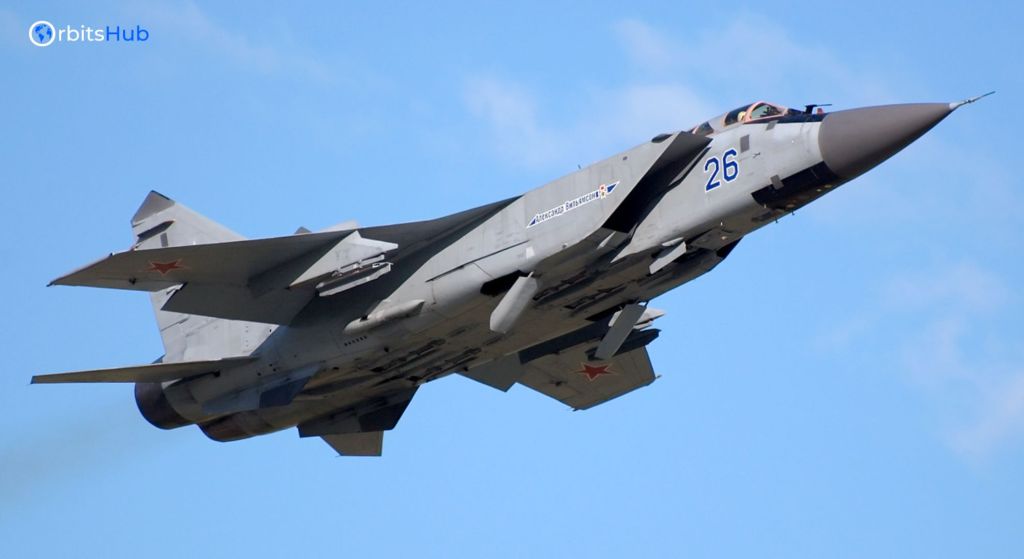
While the MiG-41 fighter promises incredible capabilities, significant challenges are also to overcome. Here are some key points to consider:
- Technical hurdles: Achieving sustained hypersonic flight is incredibly complex. Developing the engines and materials necessary for such speeds presents a significant engineering challenge.
- Cost considerations: Developing and producing such a technologically advanced aircraft will likely be extremely expensive.
- Operational complexities: Maintaining and operating a hypersonic aircraft could be significantly more demanding than current jets due to the extreme heat generated by hypersonic travel.
The success of the MiG aircraft program hinges on overcoming these obstacles. It remains to be seen whether Russia can overcome these challenges and bring this futuristic jet to life.
The MiG-41: Reshaping Air Power Dynamics
If successfully developed, the MiG-41 fighter has the potential to redefine airpower dynamics. Here’s a glimpse into its potential impact:
- Shifting the Balance of Power: The MiG-41’s capabilities could significantly alter the balance of power between nations. Its speed and range could create new strategic considerations for air defence strategies.
- Revolutionizing Air Combat: Introducing hypersonic fighters could lead to entirely new tactics and strategies for aerial warfare.
- Driving Technological Innovation: The development of the MiG-41 could trigger a new wave of technological advancements in the aerospace industry as other countries strive to develop countermeasures or hypersonic platforms.
The Future of Flight Takes Shape: MiG-41
The MiG-41 aircraft represents the cutting edge of fighter jet technology. While its development faces significant hurdles, the potential rewards are immense. This aircraft has the potential to revolutionize air combat, redefine air defence strategies, and usher in a new era of aerial dominance.
However, the MiG-41 fighter program raises crucial questions about warfare’s future and the role of hypersonic technology. Only time will tell if the MiG-41 will become a reality, and if so, what impact it will have on the geopolitical landscape.
For a deeper dive into the world of cutting-edge aviation and maritime advancements, explore OrbitsHub’s Website. OrbitsHub provides in-depth analysis and commentary on breaking news in the ever-changing marine and aviation industries. Whether you’re a defence enthusiast, an industry professional, or simply curious about the future of flight, OrbitsHub provides valuable resources and information.



Comment(01)