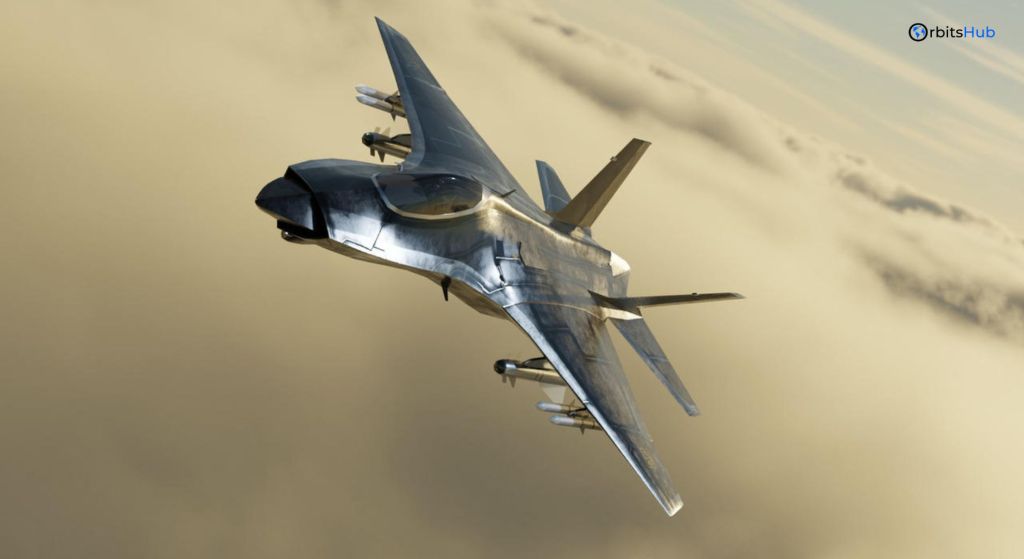
The world of aviation is on the cusp of a significant evolution with the introduction of the MiG-41, a next-generation fighter jet poised to redefine aerial combat capabilities. Developed by the renowned Russian aerospace company Mikoyan, the MiG-41 promises unprecedented speed, stealth, and technological advancements. As nations seek to bolster their defence systems, the MiG-41 stands out as a formidable contender in the race for air superiority.
The Genesis of the MiG-41
Background and Development
The MiG-41, also known as the PAK DP (Prospective Aviation Complex for Long-Range Interception), is a long-range interceptor aircraft currently being developed by Mikoyan, a United Aircraft Corporation (UAC) division. The project, initiated in the late 2010s, aims to replace the ageing MiG-31 fleet, which has been the backbone of Russia’s aerial interception capabilities since the 1980s.
Objectives and Vision
The primary objective behind the development of the MiG-41 is to create a fighter jet that can operate effectively in the 21st century’s complex and dynamic combat environment. This includes intercepting and destroying hypersonic missiles, drones, and other advanced aerial threats. The vision is maintaining air superiority while integrating cutting-edge technology to enhance performance, stealth, and versatility.
Key Features of the MiG-41
Speed and Performance
One of the standout features of the MiG aircraft is its exceptional speed. Some estimates put the MiG-41’s top speed at Mach 4.3, placing it among the world’s fastest fighter jets. This remarkable speed allows the aircraft to intercept high-speed targets and cover vast distances quickly, providing a significant strategic advantage.
Stealth Capabilities
Stealth is a critical aspect of modern fighter jets, and the MiG aircraft is no exception. The plane has cutting-edge stealth technology that makes it hard for enemy radars to pick up because it lowers its radar cross-section. This includes using radar-absorbent materials, an optimized airframe design, and internal weapon bays to minimize radar signatures.
Advanced Avionics and Sensors
The MiG-41 is equipped with state-of-the-art avionics and sensor systems, providing pilots with comprehensive situational awareness. This includes an advanced radar system capable of detecting and tracking multiple targets at long ranges and cutting-edge electronic warfare (EW) capabilities to jam enemy communications and radar systems. Additionally, the aircraft is expected to feature advanced data links, allowing it to share information with other assets in real-time.
Armament and Payload
The designers intended the MiG-41 to carry many weapons, including air-to-air, air-to-ground, and precision-guided munitions. The internal weapon bays help maintain the aircraft’s stealth profile while providing ample space for a diverse payload. This versatility enables the MiG-41 to engage various targets, from enemy aircraft to ground-based threats.
Strategic Importance of the MiG-41
Enhancing National Defense
Introducing the MiG-41 will significantly boost Russia’s national defence capabilities. Thanks to its cutting-edge technology and top-notch performance, the MiG aircraft improves the nation’s airspace defence capabilities and deters would-be enemies. The aircraft’s long-range interception capabilities are crucial in defending against emerging threats such as hypersonic missiles, which pose a significant challenge to traditional defence systems.
Global Impact
The development and deployment of the MiG-41 also have broader geopolitical implications. As countries worldwide assess their defence strategies, the MiG-41 sets a new benchmark for fighter jet capabilities. This could trigger a new wave of advancements in military aviation as other nations strive to develop or acquire comparable technology. The MiG aircraft’s presence in the global defence landscape underscores the importance of continuous innovation in maintaining strategic superiority.
Future Prospects and Innovations of MiG-41
Integration of AI and Autonomous Systems
The designers expect the MiG-41 to incorporate artificial intelligence (AI) and autonomous systems to enhance its capabilities further. AI can assist pilots in decision-making, threat assessment, and mission planning, reducing the cognitive load and allowing them to focus on critical tasks. Autonomous systems can enable the aircraft to operate in unmanned mode for specific missions, providing flexibility and reducing risk to human pilots.
Hypersonic Interception
One of the most anticipated features of the MiG-41 is its ability to intercept hypersonic missiles. Hypersonic missiles travel at speeds exceeding Mach 5, making them incredibly difficult to track and intercept with current defence systems. The MiG-41’s speed, advanced radar, and missile systems position it as a critical asset in countering hypersonic threats, addressing this challenge.
Adaptability and Upgrades
The MiG-41 is designed with adaptability, allowing for future upgrades and modifications. As technology evolves, the aircraft can be equipped with new systems and capabilities to maintain its edge over emerging threats. This adaptability ensures that the MiG-41 remains relevant and practical throughout its operational life.
The MiG-41 is a capable aircraft interceptor with speed, stealth, advanced avionics, and powerful weapons. When it enters service, it will improve national defence and shape military aviation worldwide. Due to its strategic relevance and continuing developments, the aircraft will remain an essential air defense system component for years.
For more in-depth insights into the latest developments in maritime and aviation consultancy, explore the OrbitsHub Website. Stay informed and stay ahead with OrbitsHub’s expert analysis and industry updates.