
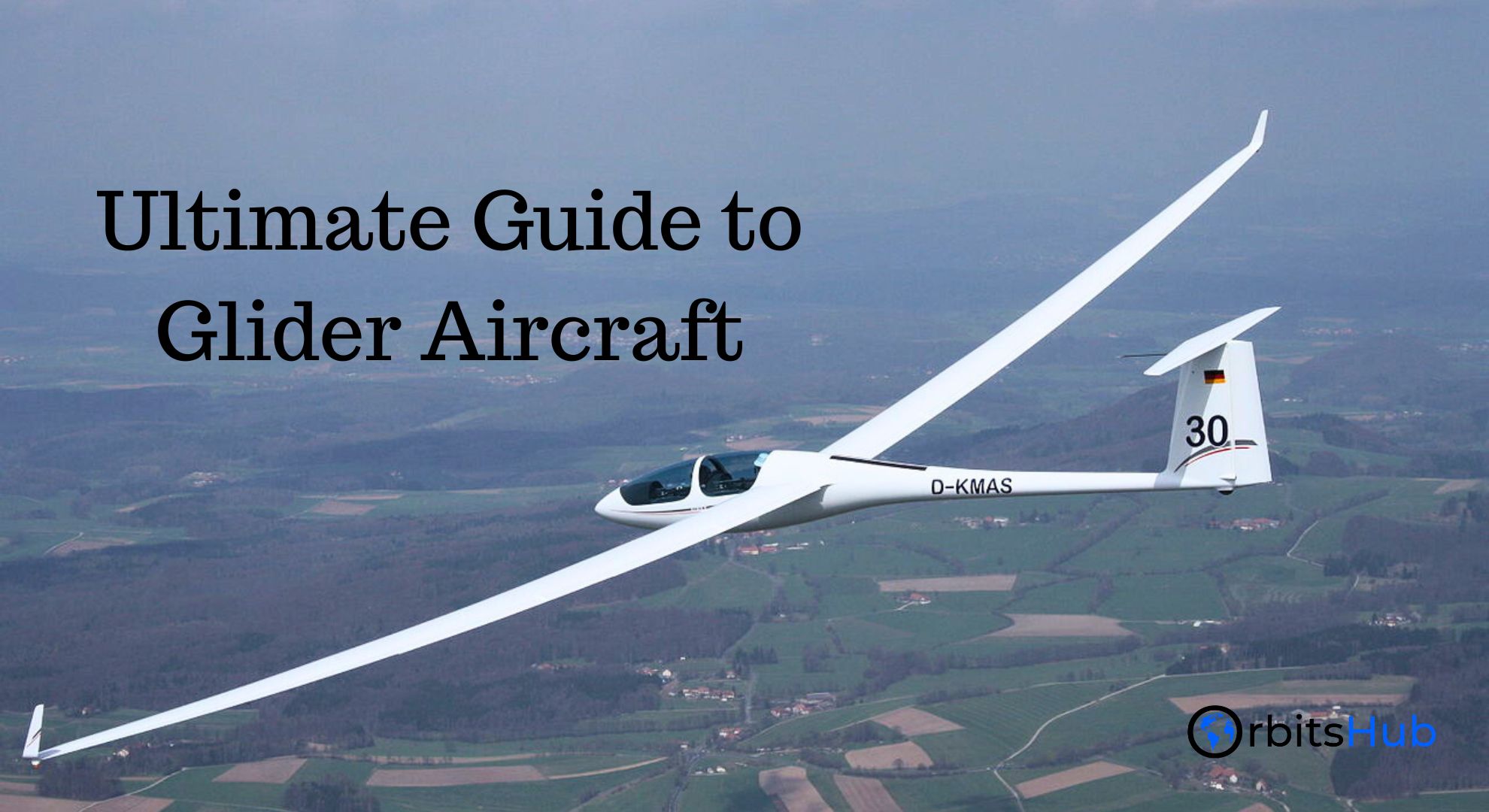

Have you ever dreamt of soaring like a bird, feeling the wind caress your face and the world spread out beneath you? Glider flying, also known as soaring, offers a unique and exhilarating experience that allows you to do just that. This ultimate guide to glider aircraft will take you to explore these fascinating aircraft, their history, how they fly, and the joys of gliding. Whether you’re curious about these silent fliers or harbour a secret desire to take to the skies, this guide is for you.
A Brief History of Glider Aircrafts
The history of gliders stretches back centuries, with early attempts at flight documented as far back as the 9th century. However, in the late 19th and early 20th centuries, gliders became sophisticated enough to achieve sustained flight. Pioneering figures like Otto Lilienthal and the Wright brothers significantly contributed to the development of gliders, paving the way for modern aviation.
How Do Gliders Fly?
Unlike aeroplanes, gliders don’t have engines. So, how do they stay aloft? Aerodynamics studies how air reacts with moving things, and the answer lies in its rules.
Fundamental principles of glider aircraft:
- Lift: The shape of a glider’s wings creates lift, a force that opposes gravity and keeps the glider airborne. As the glider moves forward, air flows over the curved surface of the wing, creating lower pressure above the wing and higher pressure below. This pressure difference generates lift.
- Drag: Drag is the force that opposes the glider’s forward movement. It’s cause by air resistance against the glider’s body and wings. Pilots use various techniques to minimize drag, such as streamlining the design and adjusting the angle of the wings.
- Lift-to-drag ratio: This ratio compares the amount of lift generated to the amount of drag experienced. Gliders with high lift-to-drag ratios can stay airborne longer, making them more efficient for soaring.
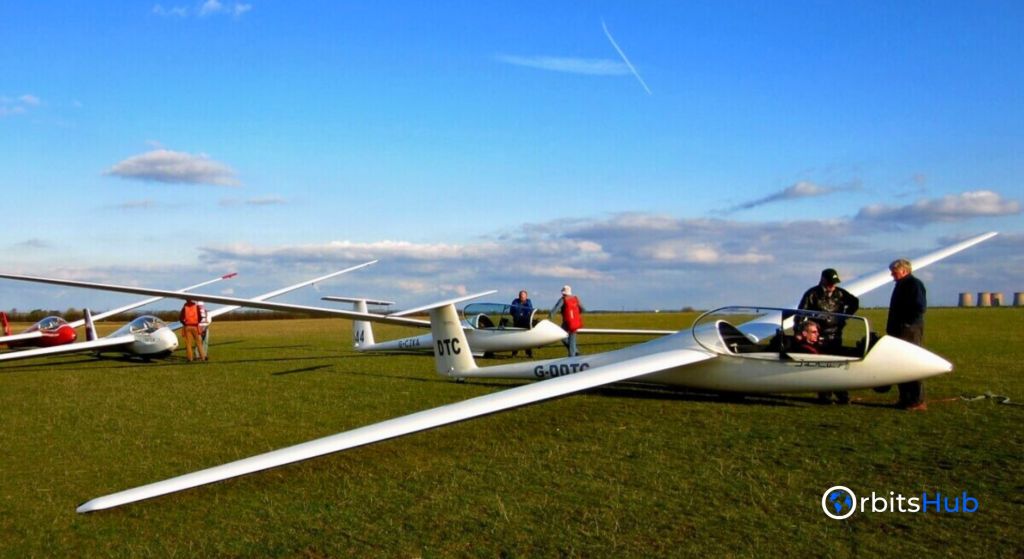
Finding lift: Gliders rely on rising air currents to stay aloft. These currents can be cause by various factors, such as:
- Thermals: Columns of warm air that rise due to uneven ground heating.
- Ridge lift: Air is forced upwards as it encounters a mountain ridge.
- Wave lift: Standing waves created by wind blowing over geographical features like hills or mountains.
Pilots can gain altitude and extend their flight time skillfully by manoeuvring the glider within these rising air currents.
The Joys of Gliding
Gliding is not just about the technical aspects of flight; it’s also about the unique experience it offers. Here are some of the reasons why people love to fly gliders:
- The sensation of flight: Soaring through the air in complete silence provides an unparalleled sense of freedom and connection with nature.
- The mental challenge: Piloting a glider requires skill, focus, and a deep understanding of weather conditions.
- The sense of accomplishment: Successfully mastering the art of gliding and achieving long flights is incredibly rewarding.
- The community: The aircraft gliding community is known for its friendly and supportive atmosphere, welcoming people of all ages and backgrounds.
Getting Started with Aircraft Glider Flying
If you’re interest in experiencing the magic of gliding for yourself, here are some steps you can take:
- Research: Learn more about gliders, different types of gliders, and the basics of flight.
- Find a gliding club or school: Contact local golf clubs or flight schools offering introductory lessons and training programs.
- Take an introductory flight: Most gliding clubs offer introductory flights with experienced instructors, allowing you to experience the thrill of gliding firsthand.
- Start your training: If you decide to pursue further training, you can enrol in a gliding certification program that will equip you with the knowledge and skills required to fly solo.
Different Types of Glider Aircrafts
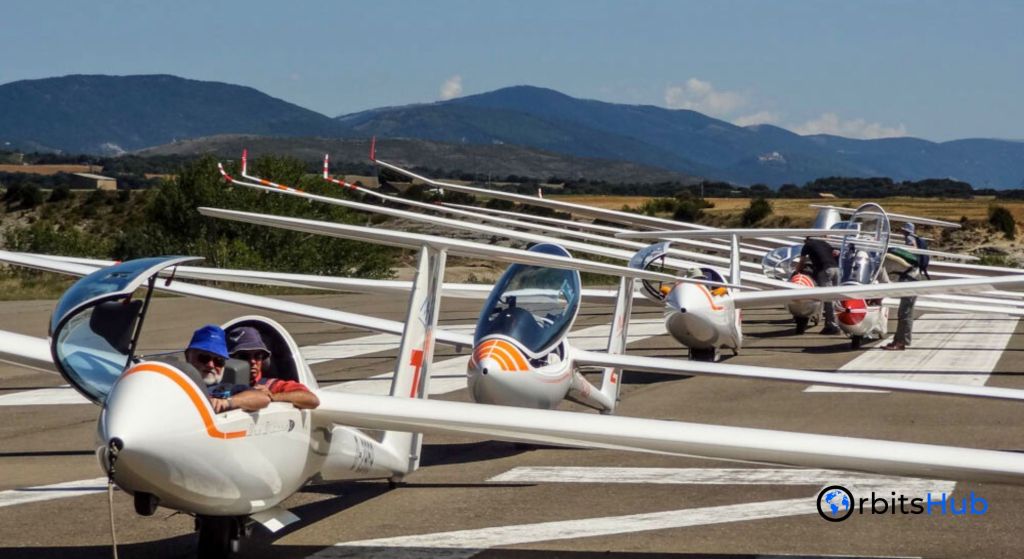
Aircraft Glider come in various shapes and sizes, each with unique characteristics and performance capabilities. Here’s a brief overview of some common types:
- Sailplanes: These are high-performance gliders design for long-distance soaring and competition flying. They have sleek, aerodynamic designs and high lift-to-drag ratios, allowing them to stay aloft for hours and cover vast distances.
- Motor gliders: Also known as motor gliders, these gliders have small, retractable engines that can take off, climb to altitude, or extend flight time when encountering weak lift conditions. They offer a good balance between the soaring capabilities of gliders and the engine-powered convenience of aeroplanes.
- Hang gliders: These open-frame gliders are suspended below the pilot by a harness. They are lightweight, portable, and relatively inexpensive, making them popular for recreational flying. However, they typically have lower glide ratios and require specific skills and conditions for safe operation.
Safety Considerations in Glider Flying
Gliding is generally consider a safe form of aviation, but it’s crucial to prioritize safety throughout your flying experience. Here are some key points to remember:
- Proper training and certification: Always obtain appropriate training and certification from a qualified instructor before attempting to fly a glider solo.
- Pre-flight checks: Conduct thorough pre-flight checks of the glider to ensure its airworthiness and proper functionality.
- Weather awareness: Understand the weather conditions before each flight and never fly in adverse weather.
- Emergency procedures: Be familiar with emergency procedures and practice them regularly.
- Following regulations: Always adhere to air traffic regulations and airspace restrictions.
You can ensure a safe and enjoyable gliding experience by prioritizing safety and taking the necessary precautions.
Gliders offer a unique and captivating way to experience the wonder of flight. Whether you’re fascinate by these graceful aircraft or yearn for the freedom of the open sky, gliding is an adventure waiting to be explore. Ready to embark on your aviation journey? OrbitsHub, a leading maritime and aviation consultancy, can help you navigate the world of aviation with expert guidance and support.
FAQ’s
1. What is a glider aircraft?
A glider aircraft, also known as a sailplane, is a type of aircraft that does not have an engine for propulsion. It relies on natural forces such as thermals, air currents, and gravity to stay aloft.
2. How do glider aircraft stay in the air without an engine?
Glider aircraft stay aloft by utilizing rising air currents, such as thermals and ridge lift, to gain altitude. Once airborne, they can also glide using gravity and aerodynamic principles to maintain flight.



Comment(01)