In today’s rapidly evolving global arena, NATO defence is a cornerstone of international security. As geopolitical tensions rise and new threats emerge, NATO’s role in maintaining stability and peace is more crucial than ever. Understanding NATO’s position helps us appreciate its significance in safeguarding the interests of its member states and promoting global security.
The Strategic Importance of NATO Defence
Historical Context and Evolution
In 1949, in response to the Soviet Union’s rising influence, the US and its allies established NATO, the North Atlantic Treaty Organization. Its primary objective was to ensure mutual defence among member states, fostering a sense of unity and strength. Over the decades, NATO has evolved, adapting to changing security dynamics and expanding its membership to include countries from Eastern Europe and beyond.
Core Principles and Objectives
All North Atlantic Treaty Organization (NATO) operations revolve around collective defence, as stated in Article 5. According to this theory, if one member is attacked militarily, it is the same as an attack on all members, and everyone must respond accordingly. This collective defence mechanism is a powerful deterrent against potential aggressors, underscoring NATO’s commitment to protecting its members.
Global Reach and Influence
NATO’s influence extends beyond its member states. NATO promotes global security and stability through partnerships and collaborations with non-member countries. Initiatives such as the Partnership for Peace and Mediterranean Dialogue highlight NATO’s efforts to foster cooperation and build trust with nations outside its traditional sphere. This global reach enhances NATO’s ability to address various security challenges.
Current Geopolitical Challenges
Rising Geopolitical Tensions
Heightened tensions between significant powers mark the current geopolitical landscape. The rivalry between the United States and China and ongoing conflicts involving Russia have created a complex and volatile environment. NATO must navigate these tensions while focusing on collective defence and regional stability.
Emerging Threats
In addition to traditional military threats, NATO faces various emerging challenges. Cybersecurity, terrorism, and hybrid warfare tactics require innovative strategies and enhanced cooperation among member states. NATO’s ability to adapt to these threats is crucial for maintaining its effectiveness in the modern era.
Internal Dynamics
NATO’s internal dynamics also pose challenges to its cohesion and effectiveness. Differing priorities and political agendas among member states can lead to disagreements and hinder decision-making processes. Balancing national interests with collective goals is a constant challenge that NATO must address to maintain its unity and operational efficiency.
NATO’s Response to Contemporary Issues
Strengthening Collective Defense
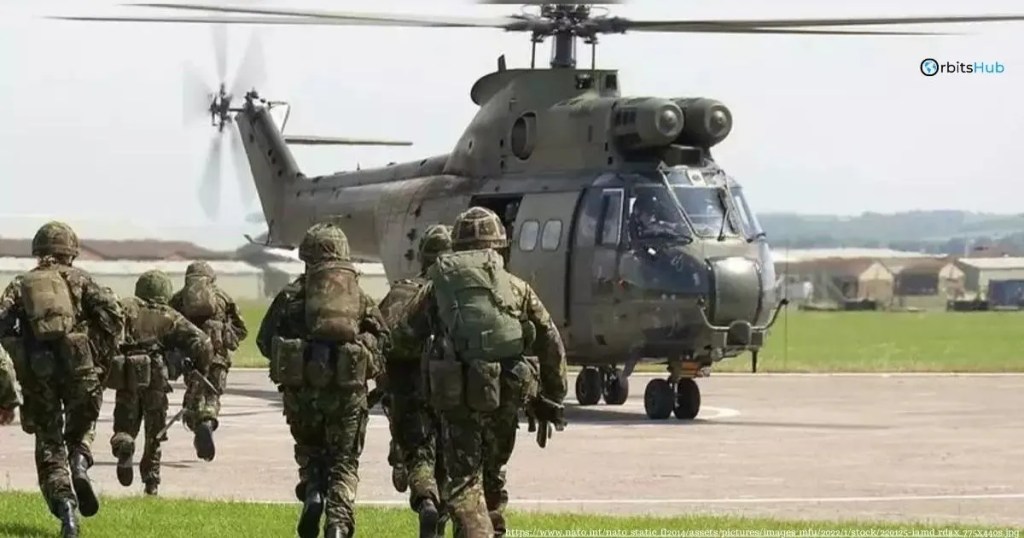
To address contemporary security challenges, NATO has taken significant steps to strengthen its collective defence capabilities. Establishing the NATO Response Force and the Enhanced Forward Presence in Eastern Europe are initiatives to enhance readiness and deterrence. These measures demonstrate NATO’s commitment to protecting its members and deterring potential adversaries.
Cybersecurity and Technological Innovation
Recognizing the growing importance of cybersecurity, NATO has prioritized the development of robust cyber defence capabilities. Collaborative efforts among member states aim to enhance resilience against cyber threats and ensure the integrity of critical infrastructure. Additionally, NATO’s focus on technological innovation includes investments in advanced defence technologies, ensuring it remains at the forefront of military capabilities.
Counterterrorism Efforts
Counterterrorism remains a crucial priority for NATO. Through intelligence sharing, joint training exercises, and capacity-building initiatives, NATO enhances the ability of member states to combat terrorism effectively. These efforts contribute to global security by addressing the root causes of terrorism and preventing the spread of extremist ideologies.
The Future of NATO Defence
Adaptation and Modernization
As the geopolitical landscape evolves, NATO must adapt and modernize its strategies. This includes enhancing rapid response capabilities, improving interoperability among member states, and investing in cutting-edge technologies. A forward-looking approach will ensure that NATO remains agile and capable of addressing future security challenges.
Expanding Partnerships
NATO’s partnerships with non-member countries and international organizations are vital for addressing global security challenges. Strengthening these partnerships through increased cooperation and joint initiatives will enhance NATO’s ability to promote stability and peace worldwide. Collaborative efforts in cyber defence, counterterrorism, and disaster response are essential for a comprehensive approach to security.
Addressing Internal Cohesion
Maintaining internal cohesion is critical for NATO’s effectiveness. Efforts to bridge member states’ differences and foster unity are essential. Regular dialogue, consensus-building, and a shared commitment to common goals will help NATO defence navigate internal challenges and strengthen its collective defence posture.
NATO defence plays an indispensable role in today’s complex geopolitical landscape. As new threats emerge and global tensions rise, NATO’s commitment to collective defence, technological innovation, and international cooperation remains unwavering. By adapting to contemporary challenges and embracing a forward-looking approach, NATO can continue to safeguard the security and stability of its member states.
For those interested in exploring how maritime and aviation consultancy services can support and enhance NATO’s strategic objectives, Orbitshub offers expert insights and solutions. Visit OrbitsHub to learn more about their comprehensive consultancy services and how they contribute to global security and defence efforts.