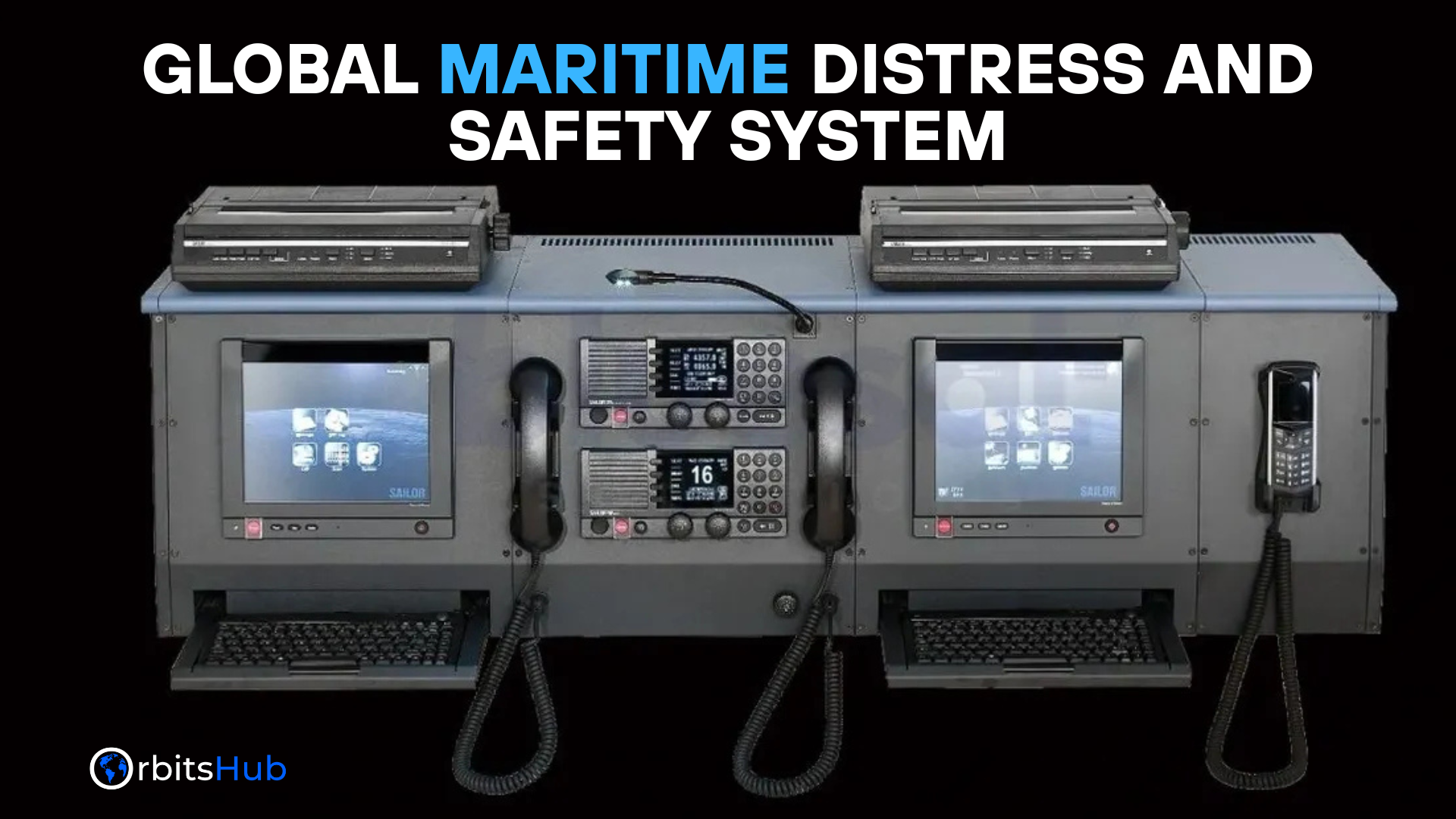
The safety of ships and their crew has always been a priority for the maritime industry. In an era where global trade is reliant on maritime transport, the need for an effective safety communication system is paramount. The Global Maritime Distress and Safety System (GMDSS) is one such vital system that ensures the safety of vessels navigating international waters. This system provides a framework for distress communication and ensures that ships can signal for help in emergencies, regardless of their location.
Understanding the GMDSS
What is the GMDSS?
The Global Maritime Distress and Safety System (GMDSS) is an internationally recognized system designed to improve communication between ships and rescue coordination centres in case of emergencies. The system was developed by the International Maritime Organization (IMO) and implemented in 1999 to ensure that vessels at sea are always within reach of assistance if needed.
The primary objective of GMDSS is to ensure a dependable communication system for ships in distress, providing multiple ways for them to send emergency signals. It integrates satellite systems, radio networks, and communication equipment, allowing vessels to alert nearby ships or search and rescue authorities in times of danger.
The Need for GMDSS
Before GMDSS, ships relied on traditional methods of communication, such as visual signals or radio transmissions, which often proved inadequate in emergencies, especially in remote areas where no land-based communication infrastructure was available. The introduction of GMDSS addressed these shortcomings, ensuring that ships at sea could always receive timely help in distress situations.
With the rising volume of maritime traffic and the increasing number of vessels operating worldwide, the Global Maritime Distress and Safety System (GMDSS) ensures that safety standards are upheld across all international waters. GMDSS plays a vital role in minimising the time between distress signals and rescue operations, thereby significantly saving lives.
The Components of GMDSS
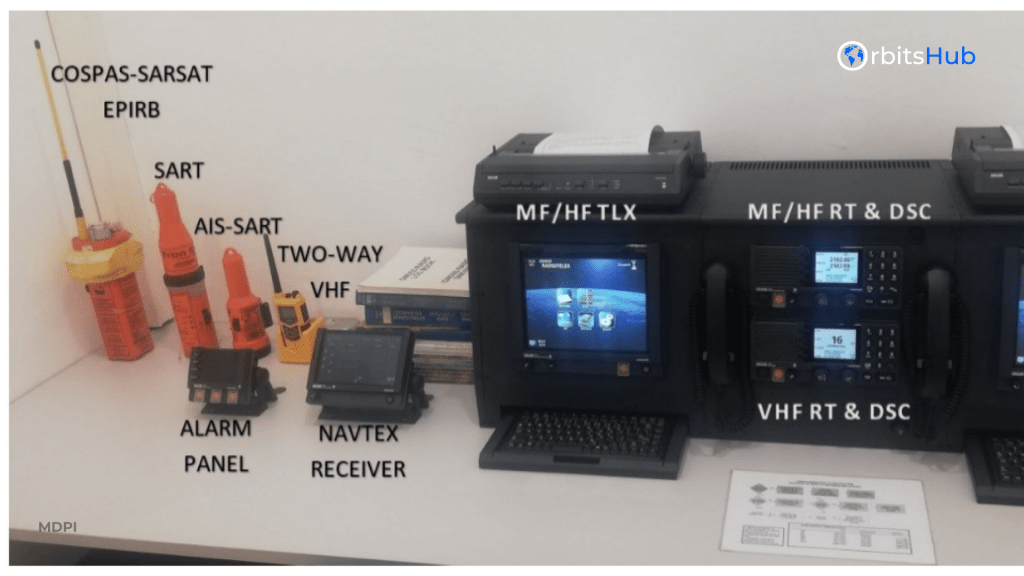
Satellite Communication
One of the key components of GMDSS is satellite communication, which enables vessels to send distress signals and receive critical information from land-based stations. Using satellite technology, ships can communicate with rescue centres even when they are far off the coast or in areas where traditional communication methods fail.
The satellite systems used in GMDSS include the Inmarsat and Iridium networks, which provide global coverage. These systems offer two-way communication, ensuring that vessels can not only send distress signals but also receive instructions from rescue teams, weather updates, and navigational warnings.
Radio Communication
Radio communication remains an essential part of GMDSS. It uses both high-frequency and very high-frequency bands to facilitate communication between ships and coastal stations. The GMDSS includes dedicated radio frequencies that are monitored by rescue coordination centres around the world.
The system also employs Digital Selective Calling (DSC), which allows ships to send automated distress alerts to nearby ships or shore-based rescue units. The DSC feature ensures that distress messages are broadcasted quickly and clearly, providing accurate information about the nature of the emergency and the ship’s location.
Emergency Position-Indicating Radio Beacons
Another important component of GMDSS is the Emergency Position-Indicating Radio Beacon (EPIRB). This device is activated in the event of an emergency, transmitting a distress signal that includes the vessel’s location. EPIRBs are crucial in situations where a vessel may be unable to communicate through conventional methods due to damaged equipment or other factors.
The EPIRB transmits its signal to satellites, which then relay the distress message to search and rescue coordination centres. This ensures that emergency response teams can quickly locate the vessel in distress and initiate rescue operations.
The Role of GMDSS in Maritime Safety
Saving Lives at Sea
The most critical role of the Global Maritime Distress and Safety System is saving lives. By ensuring that distress signals can be sent from any location, GMDSS provides a lifeline for vessels in trouble. Whether a vessel is sinking, caught in a storm, or facing a mechanical failure, the system ensures timely assistance. It enables rescue teams to respond quickly and effectively.
GMDSS also reduces the time between a distress signal and a rescue operation. This swift response time is vital in emergencies where every minute matters. It ensures that ships receive the necessary assistance before conditions deteriorate, greatly enhancing the chances of survival.
Enhancing Communication During Emergencies
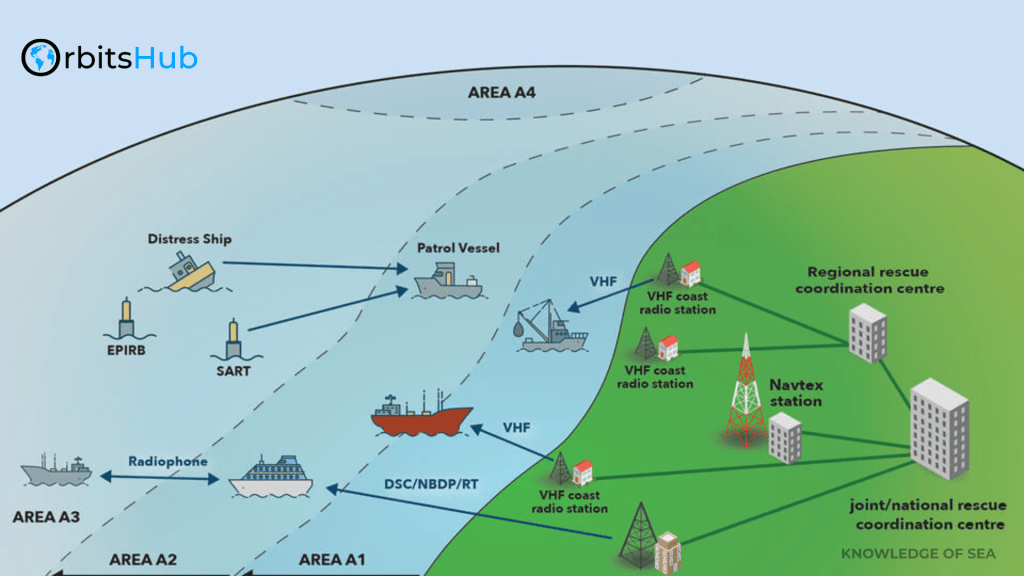
Another key benefit of GMDSS is its ability to enhance communication during maritime emergencies. The system uses satellite and radio networks to facilitate communication. This ensures that rescue operations are well-coordinated and ships in distress can connect with multiple parties at the same time. This includes rescue coordination centres, nearby vessels, and even shore-based facilities.
The ability to share crucial information instantly ensures that rescue teams are well-informed. This helps them be fully prepared when they reach the location. This efficient communication is vital for the success of rescue operations. It also ensures the safety of both the crew and passengers on the distressed vessel.
The Future of GMDSS
Technological Advancements in GMDSS
As technology keeps advancing, the Global Maritime Distress and Safety System will continue to evolve. It is expected to incorporate more advanced systems to enhance maritime safety even further. The adoption of next-generation satellite networks is already being explored to improve communication coverage. Technologies like Low Earth Orbit (LEO) satellites are being tested to minimise the chances of signal loss.
Additionally, the use of advanced sensors and tracking systems will enable more precise location monitoring. With improved data-sharing platforms, rescue operations can respond more quickly and efficiently. These advancements are expected to make GMDSS even more effective in ensuring the safety of vessels on the high seas.
Global Implementation and Compliance
To ensure the effectiveness of GMDSS, it is essential that all vessels comply with its requirements. The International Maritime Organization (IMO) has set clear regulations that mandate the installation of GMDSS equipment on all ships, regardless of their size.
The expansion of GMDSS will also likely see greater collaboration between different countries and maritime agencies. The sharing of data between regions will enhance response times and allow for a more integrated approach to maritime safety.
FAQs:
1. What is the primary purpose of GMDSS?
The primary purpose of the Global Maritime Distress and Safety System is to provide a reliable communication network for vessels in distress. It ensures that help is always available, no matter where the ship is located.
2. What are the key components of GMDSS?
The key components of GMDSS include satellite communication systems, radio communication, and Emergency Position-Indicating Radio Beacons (EPIRBs). All these systems work together to ensure effective communication during maritime emergencies.