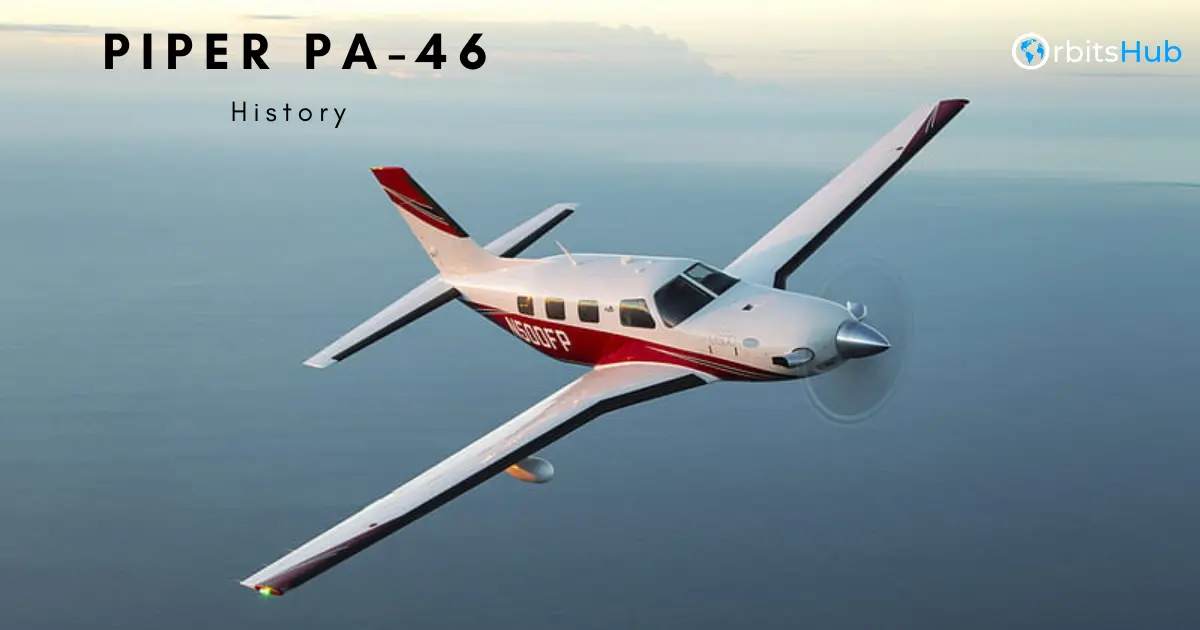
The Piper PA-46 is a well-known light aircraft that has left a significant mark in the aviation industry. Designed and manufactured by Piper Aircraft, the PA-46 series has been highly regarded for its performance, reliability, and versatility. The history of the Piper PA-46 is a testament to the innovation and dedication of the Piper Aircraft company, which has consistently aimed to produce aircraft that meet the needs of pilots and aviation enthusiasts alike. This delves into the history of the Piper PA-46, highlighting its development, key features, and impact on the aviation world.
Development of the Piper PA-46
The development of the Piper PA-46 began in the early 1980s when Piper Aircraft recognized the need for a high-performance, pressurized, single-engine aircraft. The goal was to create an aircraft offering comfort and efficiency, catering to private owners and corporate users.
Initial Design and Features
The initial design of the Piper PA-46 was based on the Piper PA-31P Pressurized Navajo but with significant improvements. The PA-46 was designed to be more aerodynamic, with a sleeker fuselage and a more advanced wing design. The first model, the Piper PA-46-310P Malibu, was introduced in 1983. It featured a pressurized cabin, which allowed it to fly at higher altitudes while maintaining a comfortable environment for passengers. The aircraft was powered by a 310-horsepower Continental TSIO-520-BE engine, which provided it with a top speed of 213 knots.
Evolution and Variants
Over the years, the Piper PA-46 underwent several upgrades and improvements, developing different variants. In 1988, Piper introduced the PA-46-350P Malibu Mirage, powered by a more powerful 350-horsepower Lycoming TIO-540-AE2A engine. This variant also featured a redesigned cabin, offering enhanced comfort and more advanced avionics.
In 1999, the PA-46-500TP Malibu Meridian was introduced as the first turboprop variant of the PA-46 series. Powered by a Pratt & Whitney Canada PT6A-42A engine, the Meridian offered even more excellent performance, a range of 1,000 nautical miles, and a top speed of 260 mph. The Meridian became popular among corporate users and private owners who needed a high-performance aircraft for longer flights.
Impact of the Piper PA-46 on Aviation
The Piper PA-46 series has significantly impacted the aviation industry, particularly in the general aviation sector. The combination of performance, comfort, and versatility has made the PA-46 a preferred choice for many pilots and aircraft owners.
Popularity Among Private Owners
Piper PA-46’s popularity among private owners significantly contributes to the plane’s success. The aircraft’s pressurized cabin, long-range capabilities, and relatively low operating costs make it an attractive option for individuals who need a reliable and comfortable aircraft for personal or business travel. The PA-46 series has also been praised for its ease of handling, making it suitable for pilots with varying experience levels.
Role in Corporate Aviation
The PA-46 series has also found a place in corporate aviation, often used as a cost-effective alternative to more extensive and more expensive jets. The Malibu Meridian, in particular, has been famous among companies requiring fast and efficient regional travel aircraft. The aircraft’s ability to operate from smaller airports has further increased its appeal, allowing companies to reach destinations that may not be accessible by larger aircraft.
Technological Advancements in the Piper PA-46

- Avionics Upgrade: The Piper PA-46 has seen significant advancements in avionics. Early models featured basic analog instruments, but as technology evolved, so did the PA-46’s cockpit. Modern variants are equipped with advanced glass cockpits, such as the Garmin G1000 NXi, which enhances situational awareness and safety for pilots.
- Pressurization System: One of the standout features of the PA-46 is its pressurized cabin. This allows the aircraft to operate at higher altitudes, providing passengers with a smoother and quieter ride and improving fuel efficiency.
- Turboprop Engine Introduction: The introduction of the turboprop engine in the PA-46-500TP Malibu Meridian marked a significant technological leap. The Pratt & Whitney PT6A engine offers higher performance, increased speed, and excellent reliability, making the Meridian a popular choice for longer flights.
- Composite Materials: Over the years, Piper has incorporated more composite materials into the PA-46’s design, reducing weight while increasing strength and durability. This not only improves performance but also enhances the aircraft’s lifespan.
The Role of the Piper PA-46 in Modern Aviation
- Private Ownership: The PA-46 has become a preferred aircraft among private owners due to its blend of performance, comfort, and cost-effectiveness. It’s an ideal choice for individuals who require a reliable aircraft for personal or business travel with the ability to fly long distances efficiently.
- Corporate Aviation: In the corporate aviation sector, the PA-46 is a cost-effective alternative to larger jets. It is an excellent option for businesses needing regional travel solutions because it can operate from smaller airports and ranges.
- Flight Training: The PA-46 is also used in advanced flight training programs, particularly for pilots transitioning to pressurized, high-performance aircraft. Its handling characteristics and advanced avionics make it an excellent training platform.
- Medical and Emergency Services: Some PA-46 models have been adapted for medical transport and emergency services, where their speed, range, and ability to operate from smaller runways are highly valued.
Comparing the Piper PA-46 to Its Contemporaries
- Beechcraft Bonanza: Often compared to the Piper PA-46, the Beechcraft Bonanza is another famous single-engine aircraft. While the Bonanza is known for its performance and handling, the PA-46’s pressurized cabin and excellent range give it an edge for long-distance travel.
- Cessna 210: The Cessna 210 is another aircraft often mentioned alongside the PA-46. While the Cessna 210 is capable, the PA-46 offers a more luxurious cabin and better overall performance, particularly in its turboprop variants.
- Mooney M20: The Mooney M20 is known for its speed and efficiency, similar to the PA-46. However, the PA-46’s pressurization and cabin comfort set it apart, making it a better choice for those who prioritize long-range comfort over speed alone.
- Cirrus SR22: The Cirrus SR22 is a modern aircraft with advanced safety features but lacks the pressurization and range of the PA-46. While the SR22 appeals to a different market, the PA-46 remains the go-to option for those needing a higher-performing, pressurized aircraft.
Evolution of the Piper PA-46: From Malibu to Meridian
- Piper Malibu: The original Piper Malibu was introduced in 1983, setting the foundation for the PA-46 series. It was the first single-engine piston aircraft with a pressurized cabin, offering a combination of speed, range, and comfort that was unmatched at the time.
- Malibu Mirage: The Malibu Mirage followed in 1988, featuring a more powerful engine and an improved cabin. This model solidified the PA-46’s reputation as a leading high-performance aircraft, with enhancements that appealed to private and corporate users.
- Malibu Meridian: The introduction of the turboprop-powered Malibu Meridian in 1999 marked a significant milestone in the PA-46’s evolution. The Meridian offered even more excellent performance, with a higher cruising speed and extended range, making it a popular choice for those needing more power and efficiency.
- Matrix and M-Class: Later developments in the PA-46 line included the Matrix and M-Class variants, which continued to build on the platform’s success by offering new avionics, improved aerodynamics, and even more luxurious interiors.
Notable Achievements and Records Set by the Piper PA-46
- Altitude Records: The Piper PA-46 has set various altitude records in its class, thanks to its pressurized cabin and powerful engines. These records highlight the aircraft’s ability to perform at high altitudes, offering smoother and more efficient flights.
- Cross-Country Flights: The PA-46 has been the aircraft of choice for several long-distance, cross-country flights, demonstrating its reliability and endurance. These flights have included transcontinental journeys that showcase the PA-46’s range and comfort.
- Safety Milestones: Over the years, the PA-46 has earned a reputation for safety, with several models achieving high safety ratings due to their robust design, advanced avionics, and reliable engines. This has contributed to the aircraft’s popularity among private and corporate owners.
- Industry Awards: The PA-46 has received numerous awards and accolades for its design, performance, and innovation. These awards reflect the aircraft’s status as a leader in its class and its lasting impact on general aviation.
- Community Impact: The PA-46 has also played a role in various humanitarian and emergency missions, further cementing its reputation as a versatile and reliable aircraft. Its ability to operate in challenging conditions has made it an asset in disaster relief and medical transport missions.
The Piper PA-46 has earned its place as a significant aircraft in general aviation history. From its initial development in the 1980s to its continued success today, the PA-46 series has consistently delivered on its promise of performance, comfort, and versatility. Whether for private ownership or corporate use, the Piper PA-46 remains famous for those seeking a reliable and efficient aircraft.
As you explore the Piper PA-46 and its contributions to maritime, we invite you to visit Orbitshub to learn more about naval services and how we can assist you in your maritime needs.