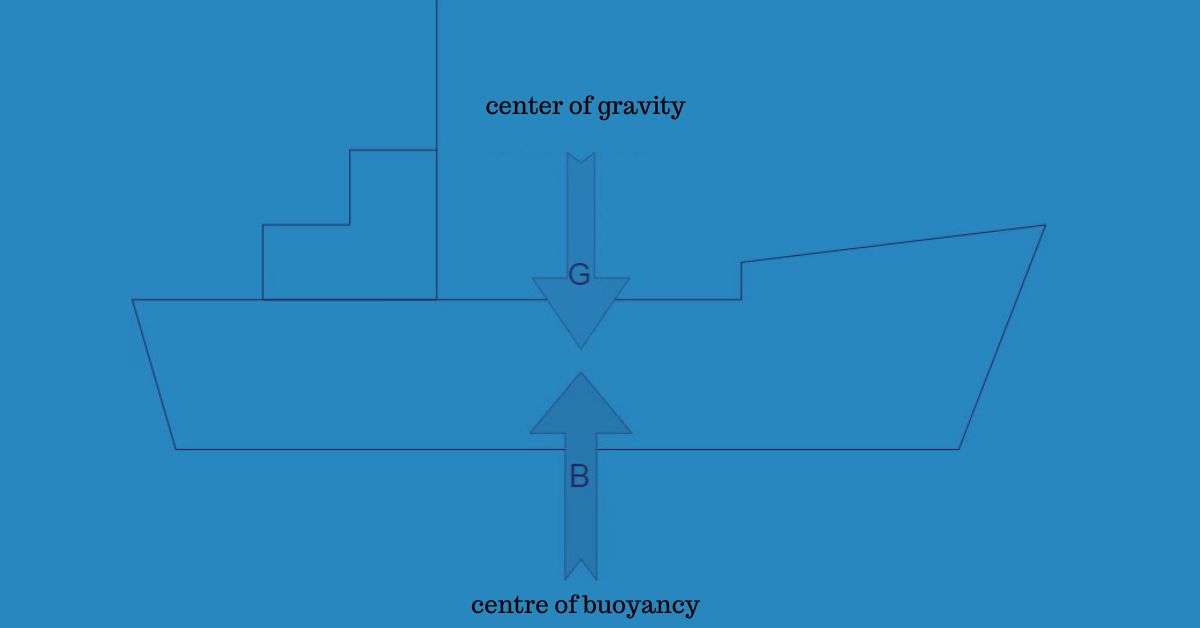

Fundamentals of Ship Trim
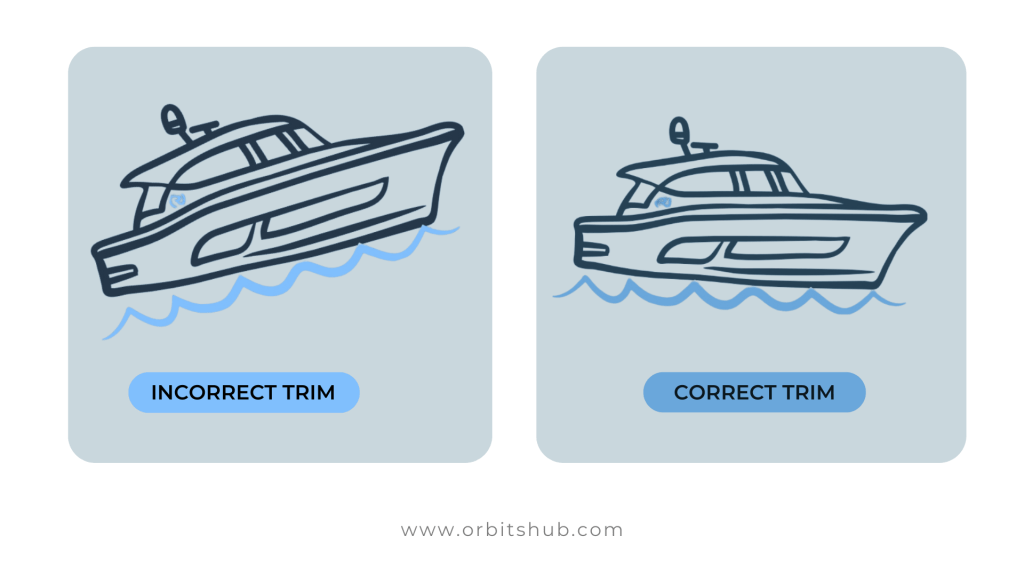
Longitudinal trim, the primary focus of this discourse, pertains to the difference in draft between a vessel’s bow and stern. Transverse trim, though less commonly discussed, involves the port-to-starboard inclination. Myriad factors influence a ship’s trim, including cargo distribution, fuel consumption, and ballast conditions. These elements coalesce to create a dynamic equilibrium that mariners must continually monitor and adjust.
Impact of Trim on Ship Performance
The ramifications of proper trim extend far beyond mere aesthetics. A well-trimmed vessel exhibits markedly improved fuel efficiency, often resulting in substantial cost savings for shipping companies. Moreover, optimal trim enhances a ship’s speed and maneuverability, critical factors in navigating treacherous waters or congested shipping lanes. Perhaps most crucially, correct trim contributes significantly to a vessel’s stability and safety, mitigating the risks associated with adverse weather conditions and potential accidents.
Trim Optimization Techniques
Achieving the ideal trim necessitates a multifaceted approach. Ballast management, a time-honored practice, involves the strategic addition or removal of water in dedicated tanks to adjust the ship’s attitude. Cargo distribution, particularly on container vessels and bulk carriers, requires meticulous planning to ensure even weight distribution. Fuel consumption planning, often overlooked, can substantially impact trim over long voyages as fuel is depleted from various tanks.
Trim Monitoring Systems
Modern vessels employ a panoply of sophisticated instruments to monitor trim. Draft sensors, strategically positioned along the hull, provide real-time data on the ship’s waterline. Inclinometers offer precise measurements of longitudinal and transverse inclination. Integrated bridge systems collate this information, presenting navigators with a comprehensive view of the vessel’s trim status and facilitating informed decision-making.
Trim Calculations
The art of trim calculation has evolved significantly over the years. While manual calculations remain an essential skill for mariners, software-assisted tools have revolutionized the process. These advanced systems enable real-time trim optimization, considering variables such as hull form, propeller efficiency, and current sea conditions. The integration of these technologies has ushered in a new era of precision in marine navigation.
Regulatory Considerations
The importance of proper trim is underscored by various regulatory bodies. The International Maritime Organization (IMO) has established guidelines for trim optimization and monitoring. Classification societies impose stringent requirements on trim-related systems and procedures. Port state control inspections often scrutinize a vessel’s trim records, emphasizing the need for meticulous documentation and adherence to best practices.
Environmental Impact of Proper Trim
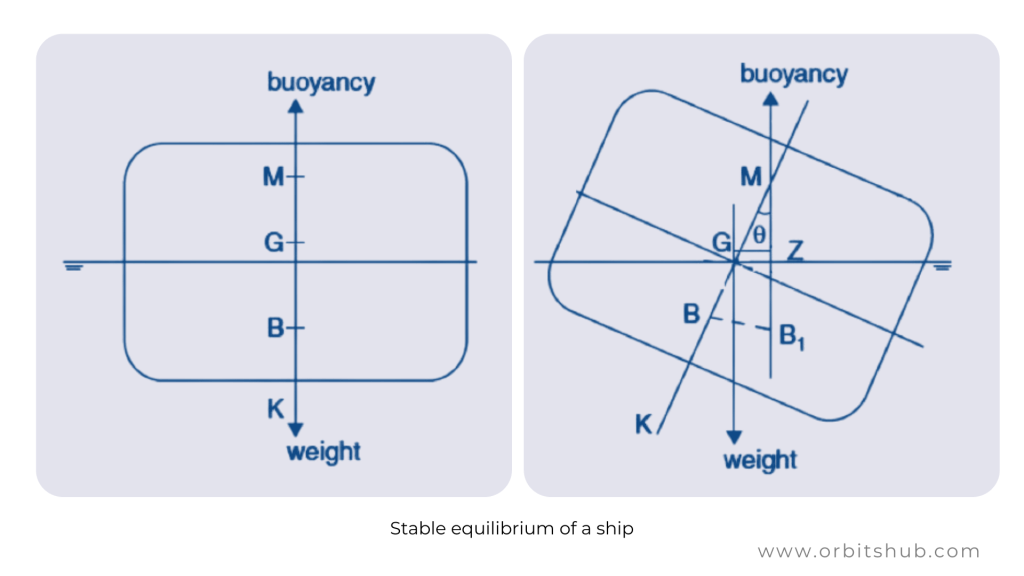
In a time when people are more concerned about the earth, it’s hard to say enough good things about optimal trim. A well-trimmed vessel consumes less fuel, resulting in reduced emissions and a smaller carbon footprint. Minimized wake and turbulence contribute to the protection of sensitive marine ecosystems, particularly in coastal areas and inland waterways. This symbiosis between operational efficiency and environmental stewardship exemplifies the holistic approach required in modern maritime operations.
Trim in Different Sea Conditions
The significance of proper trim is magnified in varying sea conditions. In calm waters, optimal trim can maximize fuel efficiency and speed. However, heavy seas present unique challenges, requiring dynamic trim adjustments to maintain stability and passenger comfort. Shallow water effects, such as squat, necessitate careful trim management to prevent grounding incidents and ensure safe passage through restricted waterways.
Trim and Ship Design
Naval architects and marine engineers consider trim implications from the earliest stages of ship design. Hull form optimization seeks to create vessels that maintain favorable trim characteristics across a range of loading conditions. Propeller efficiency is intrinsically linked to trim, with even slight deviations potentially resulting in significant performance losses. The design of bulbous bows, a ubiquitous feature on modern merchant vessels, must account for trim variations to ensure optimal hydrodynamic performance.
Training and Crew Awareness
The complexities of trim management underscore the importance of comprehensive training for seafarers. Simulation-based training allows mariners to experience a wide range of trim scenarios in a controlled environment. Ongoing education and skill development ensure that crew members remain abreast of the latest technologies and best practices in trim optimization. This continuous learning process is essential in an industry characterized by rapid technological advancement and evolving regulatory landscapes.
Case Studies: Trim-Related Incidents
Historical analysis of trim-related accidents provides valuable insights for the maritime community. The Herald of Free Enterprise capsized in 1987, which was partly caused by problems with the trim. This is a stark warning of what can happen if you don’t take care of your trim properly. The shipping industry is always improving its safety rules, and these kinds of case studies help shape the creation of best practices.
Future Trends in Trim Management

The horizon of trim management is replete with innovative technologies poised to revolutionize marine navigation. Artificial intelligence and machine learning algorithms promise to deliver unprecedented levels of trim optimization, adapting to changing conditions with remarkable speed and accuracy. Autonomous trim control systems, still in their infancy, hold the potential to automate many aspects of trim management, reducing crew workload and enhancing safety. The integration of trim optimization with weather routing systems represents a holistic approach to voyage planning, considering environmental factors alongside operational efficiency.
In the intricate tapestry of marine navigation, ship trim emerges as a critical thread, binding together aspects of performance, safety, and environmental responsibility. The multifaceted nature of trim management reflects the complexity of modern maritime operations, demanding a nuanced understanding from all stakeholders in the shipping industry. As technological advancements continue to reshape the seascape, the fundamental principles of proper trim remain a cornerstone of safe and efficient marine navigation. The future of ship trim lies in the harmonious integration of cutting-edge technology with time-honored seamanship, charting a course towards ever-greater levels of operational excellence and environmental stewardship.