In recent years, SpaceX has become a household name, revolutionizing space exploration and pushing the boundaries of what we thought was possible. Founded by Elon Musk in 2002, SpaceX’s vision was clear from the start: make space travel more affordable, sustainable, and accessible. Fast forward to today, and SpaceX has achieved milestones that were once thought to be the stuff of science fiction. From reusable rockets to the first private company to send astronauts to the International Space Station (ISS), SpaceX is undeniably shaping the future of space exploration.
In this blog, we will explore the innovations and achievements of SpaceX, its impact on the future of space travel, and how it’s influencing global space exploration strategies.
Paving the Way for Reusable Rockets
One of the biggest hurdles in space travel has always been the cost of launching rockets. Traditionally, rockets were single-use, which meant they were discarded after each mission. The cost of building and launching a new rocket every time was astronomical. SpaceX addressed this issue with its reusable Falcon rockets.
By designing rockets that can land back on Earth after launching, SpaceX dramatically reduced the cost of space missions. The Falcon 9, SpaceX’s flagship rocket, has already completed numerous successful landings, and this groundbreaking achievement has reshaped the entire space industry. Not only does it make space travel more affordable, but it also increases the frequency of launches, opening up a future where space missions are no longer a rare event but a regular occurrence.
The Falcon Heavy, the world’s most powerful operational rocket, is another example of SpaceX’s innovation in reusable technology. It successfully lifted off with over 64 metric tons of payload and returned safely to Earth, continuing SpaceX’s streak of reusable rocket milestones.
This development alone has the potential to cut down costs for satellite companies, international governments, and private organizations. And with SpaceX pushing the boundaries of reusability, the future of space travel looks promising for commercial ventures.
Sending Humans to Space: The Era of Private Space Travel
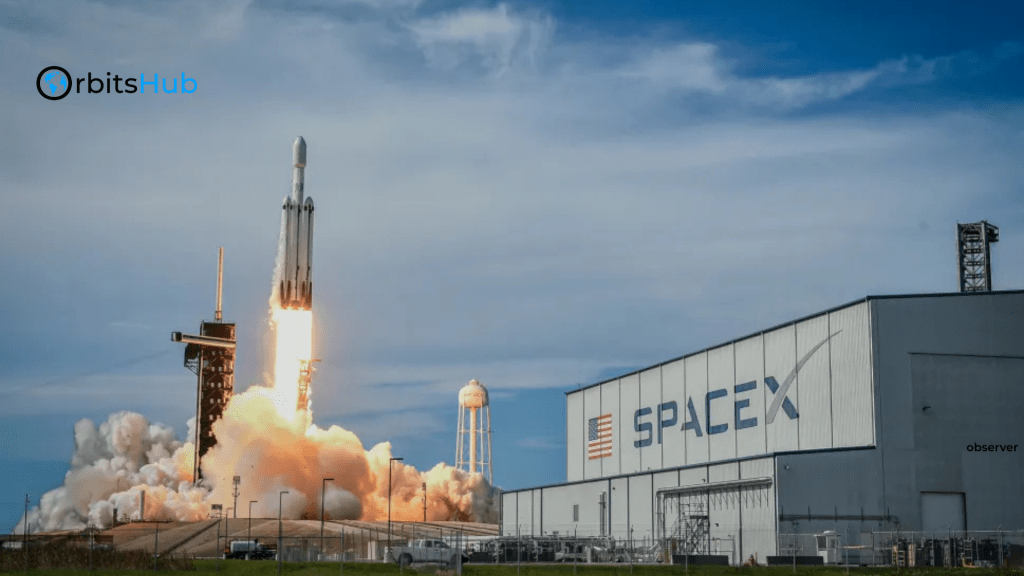
Historically, space exploration was dominated by government agencies like NASA and Russia’s Roscosmos. However, SpaceX is changing that narrative by introducing private companies as key players in space missions. In May 2020, SpaceX made history by launching the first-ever private crewed mission to the ISS. The Crew Dragon spacecraft carried two NASA astronauts to the space station, marking a new chapter in space travel where private companies could play a role in human space exploration.
This achievement was monumental, as it demonstrated that private companies could not only develop the technology for space travel but also manage the logistics and safety required for transporting humans to space. With SpaceX’s successful launches, it paved the way for future missions that will include tourists, scientists, and even astronauts from other nations, who will all have the chance to experience space travel with SpaceX’s cutting-edge technology.
But the journey doesn’t stop here. SpaceX is actively working on the Starship project, a fully reusable spacecraft designed to take humans to the Moon, Mars, and beyond. Starship will carry out deep-space missions and is set to become the spacecraft for NASA’s Artemis program, which aims to return astronauts to the Moon by 2024. This is a giant leap toward expanding humanity’s presence in space, and SpaceX is at the forefront of this movement.
Starship: The Key to Mars Colonization
SpaceX’s vision extends far beyond low Earth orbit (LEO). The company’s ultimate goal is to make life multi-planetary, with Mars being the next big target. Elon Musk’s dream of colonizing Mars is no secret, and the development of Starship is the cornerstone of this ambitious mission.
Starship is designed to be a fully reusable spacecraft capable of carrying both crew and cargo to the Moon, Mars, and even distant destinations in the solar system. The spacecraft will be able to carry over 100 people, with the goal of building sustainable habitats on Mars for future generations. With the powerful Raptor engines and fully reusable structure, Starship is poised to revolutionize the way we think about space travel.
Starship’s development is already in full swing. SpaceX has conducted several test flights, with plans for many more. The spacecraft’s massive size and ability to carry such large payloads make it ideal for long-duration space missions, including sending large numbers of people and supplies to Mars. Musk has often stated that he hopes to send the first crewed mission to Mars by the mid-2020s, a timeline that seems ambitious but not out of reach given SpaceX’s track record.
Satellites and Global Connectivity
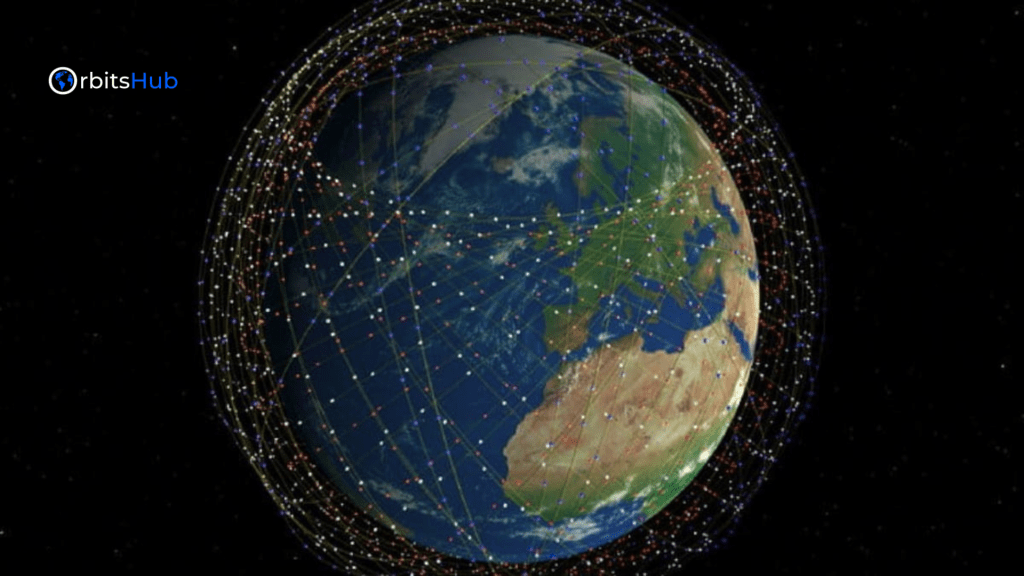
Apart from missions to the Moon and Mars, SpaceX is also shaping the future of global connectivity through its Starlink project. Starlink is SpaceX’s ambitious plan to deploy thousands of small satellites in low Earth orbit (LEO) to provide high-speed internet access worldwide. This system is designed to bridge the digital divide and offer reliable, high-speed internet to underserved and remote regions, making it a game-changer for global communications.
As of 2023, SpaceX has already launched over 3,000 satellites as part of the Starlink project, with plans to expand the constellation to tens of thousands in the coming years. The service is already available in several countries, with millions of users relying on it for connectivity. The ability to provide fast, affordable internet to remote regions could change lives, enabling everything from online education to telemedicine and expanding access to information.
SpaceX’s Influence on the Industry
The impact of SpaceX goes beyond its technological achievements. The company has single-handedly transformed the commercial space industry. Before SpaceX, space exploration was a slow-moving field dominated by government-funded organizations. But SpaceX has brought a new sense of urgency and competition to the market, pushing both private companies and governments to innovate faster.
With its reusable rocket technology and cost-effective solutions, SpaceX has lowered the barriers to entry for private companies to enter the space race. This shift has led to the creation of a new space economy, one where companies compete to develop new technologies, offer commercial services, and provide opportunities for space tourism. In this new era, space is becoming increasingly accessible to the masses, a concept once unimaginable.
FAQs
1. What is SpaceX’s main goal for the future?
SpaceX’s main goal is to make life multi-planetary, with Mars being a key target for colonization. They are working on the Starship project to facilitate human travel to Mars and beyond.
2. How does SpaceX contribute to global internet connectivity?
Through the Starlink project, SpaceX is deploying thousands of satellites to provide high-speed internet to underserved and remote regions around the world.