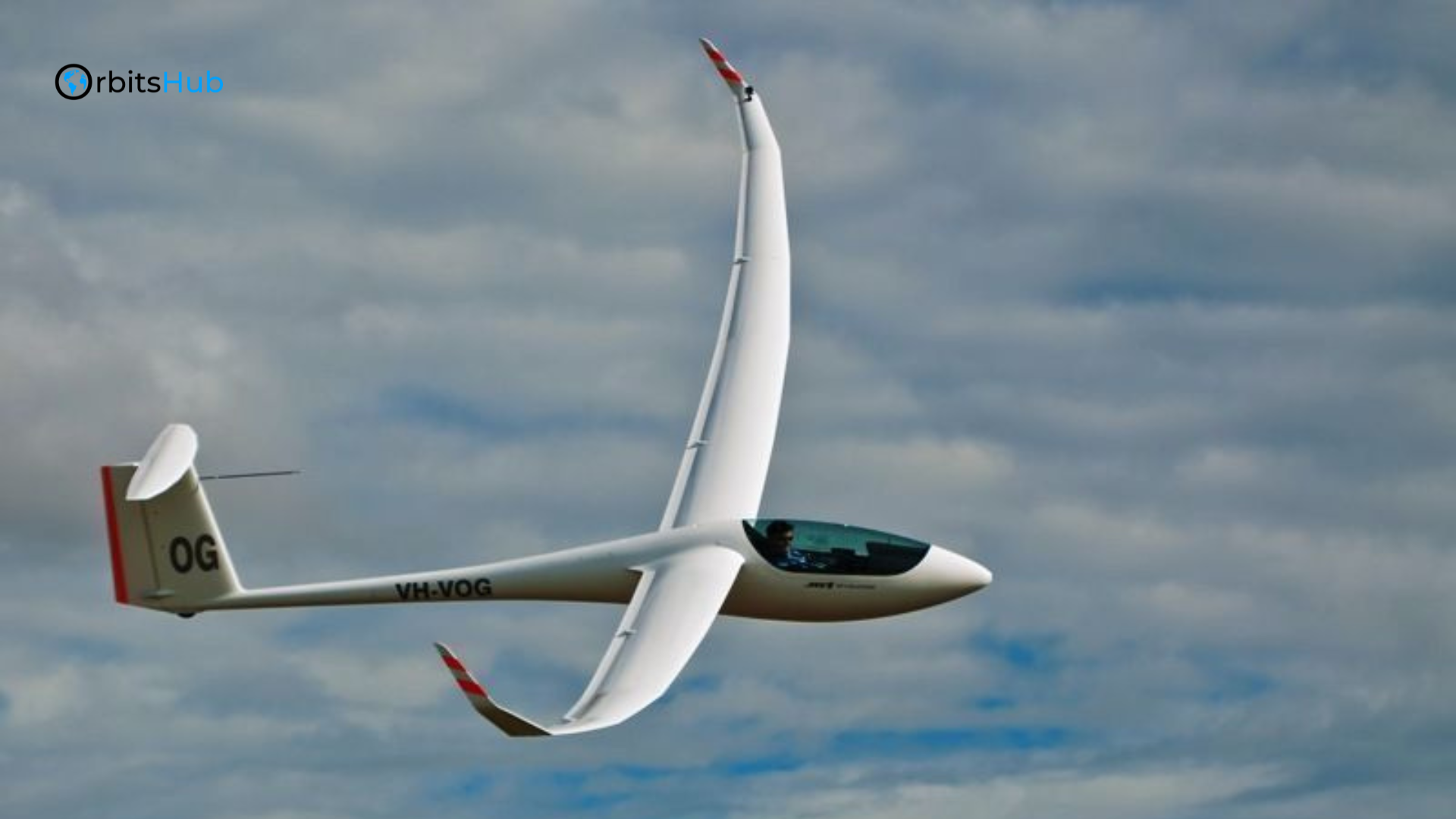
Glider flight, a form of aviation that relies on natural air currents rather than engines, offers a unique and exhilarating experience. Pilots navigate the skies using thermals, ridge lifts, and other atmospheric phenomena. However, the success and safety of a glider flight are profoundly influenced by weather conditions. Understanding how weather elements affect glider performance is crucial for novice and experienced pilots.
The Role of Weather in Glider Flight
Weather conditions dictate the availability and strength of lift, which is essential for glider flight. Lift refers to the upward-moving air currents that gliders use to gain altitude. The primary sources of lift include thermals, ridge lifts, and wave lifts.
Thermals: Rising Columns of Warm Air
Thermals are waves of warm air that rise from the top of the Earth. Most of the time, they form on warm days when the ground is heated in different ways. Because the ground warms the air above it, the warm air rises because it is less thick. Gliders can circle within these thermals to gain altitude. The strength and size of thermals are influenced by factors such as the sun’s intensity, ground surface type, and atmospheric stability.
Ridge Lift: Airflow Over Terrain
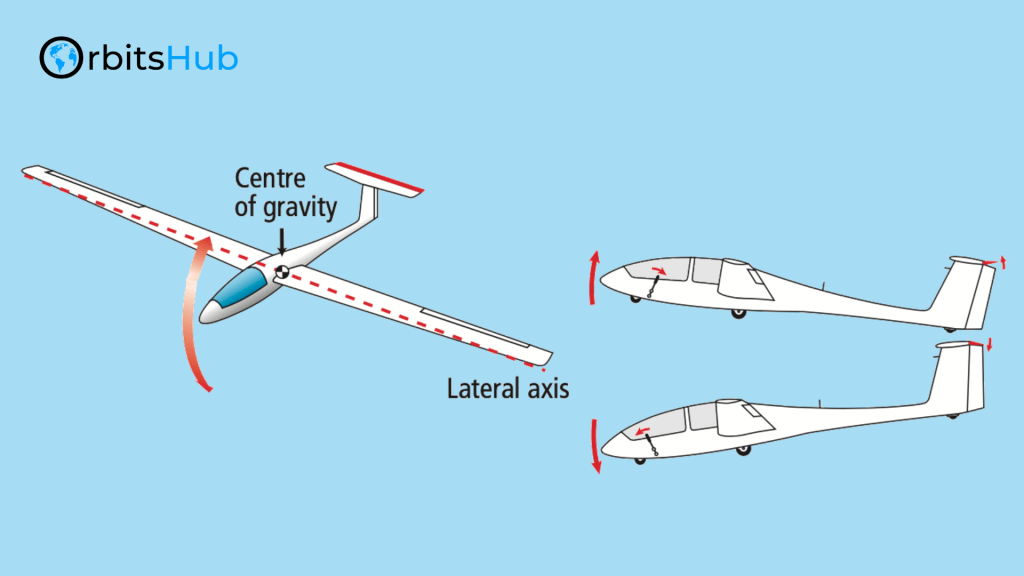
Ridge lift occurs when wind flows over a mountain or ridge, causing the air to ascend. Gliders can fly along the ridge, using the upward-moving air to maintain or gain altitude. How well ridge lift works depends on the shape of the land and the speed and direction of the wind. To use ridge lift successfully, pilots need to be good at reading the terrain and wind patterns.
Wave Lift: High-Altitude Air Currents
Wave lift is generated when strong winds blow over mountain ranges, creating standing waves in the atmosphere. These waves can extend to great altitudes, allowing gliders to reach impressive heights. However, wave conditions are complex and require careful assessment, as they can be associated with turbulent air and sudden changes in wind direction.
Weather Factors Affecting Glider Flight
Several weather elements can significantly impact glider performance:
- Wind: Wind affects both the availability of lift and the glider’s control. Strong winds can enhance ridge and wave lift but may also pose challenges during takeoff and landing. Crosswinds, in particular, can make landing difficult.
- Cloud Cover: Clouds indicate the presence of thermals. However, overcast skies can suppress thermal activity, making soaring conditions less favourable. Pilots often monitor cloud patterns to predict thermal strength and location.
- Temperature: When it’s warm, heat activity can go up, and when it’s cool, it may go down. It can be rough when a layer of warmer air traps cooler air below it. This is called a temperature inversion.
- Humidity: High humidity can affect air density and glider performance. It can also influence cloud formation and thermal development.
- Precipitation: Rain can increase a glider’s stall speed and reduce visibility. Pilots typically avoid flying in or near precipitation to maintain safety.
Safety Considerations
While gliding is considered a safe activity, weather-related incidents can occur. For instance, in 2017, there were 271 fatal and 972 non-fatal general aviation aeroplane accidents in the U.S., compared to 3 fatal and 19 non-fatal glider accidents.
This indicates that flying a glider is approximately 2.5 times safer than flying an aeroplane. Nonetheless, pilots must remain vigilant and continuously assess weather conditions to ensure safety.
Preparing for a Glider Flight
Before embarking on a glider flight, pilots should:
- Check Weather Forecasts: Review detailed weather reports and forecasts to understand expected conditions.
- Assess Local Conditions: Evaluate local terrain and microclimates that may influence weather patterns.
- Understand Airspace Restrictions: Be aware of any temporary or permanent airspace restrictions that may affect flight plans.
- Plan for Emergencies: Have contingency plans in place for unexpected weather changes or other emergencies.
Advancements in Glider Technology

Modern gliders are equipped with advanced instruments that assist pilots in navigating and interpreting weather conditions. These include variometers, which measure the rate of climb or descent, and GPS systems that aid in navigation and flight planning. Such technologies enhance safety and performance, allowing pilots to make informed decisions during flight.
Training and Education
Continuous education and training are vital for glider pilots. Understanding meteorology and how weather affects glider flight is essential. Many gliding clubs and organizations offer courses and seminars to help pilots improve their knowledge and skills.
Real-Life Experiences
Consider the story of an experienced glider pilot who, despite meticulous planning, encountered unexpected weather changes during a cross-country flight. The pilot had to adapt quickly, utilizing ridge lift to navigate through turbulent conditions, ultimately landing safely after a challenging journey. This experience underscores the importance of adaptability and continuous learning in the face of unpredictable weather.
Frequently Asked Questions
1. How do I determine if weather conditions are suitable for glider flight?
Assessing weather suitability involves checking for clear skies, moderate winds, and the presence of thermals. Avoid flying in overcast conditions, strong crosswinds, or near thunderstorms.
2. What should I do if weather conditions deteriorate during a glider flight?
If weather conditions worsen, prioritize safety by seeking suitable landing sites. Maintain communication with ground control and fellow pilots, and be prepared to adjust your flight plan as necessary.