Defining Ship Trim in Maritime Operations
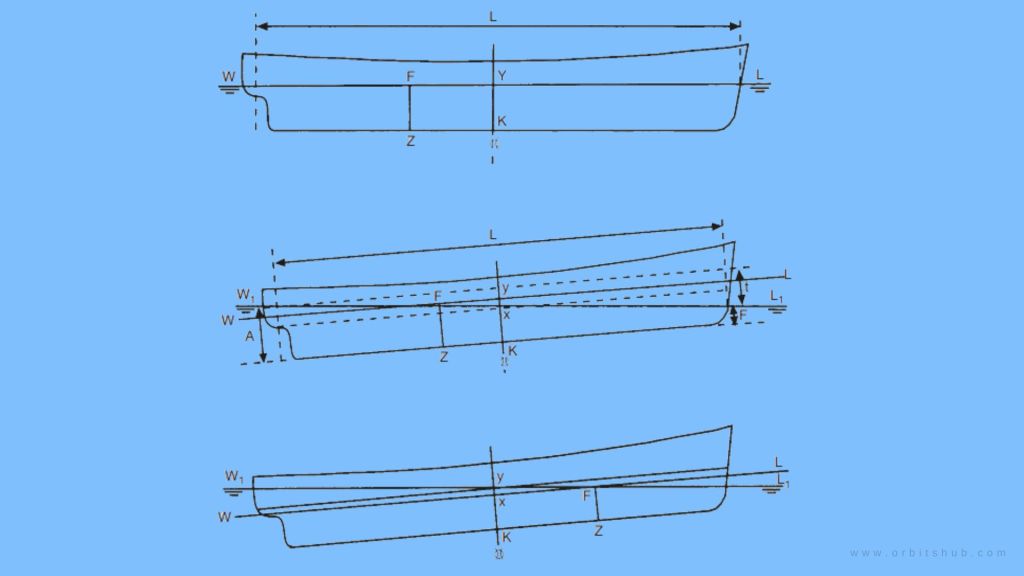
Ship trim refers to the longitudinal balance of a vessel in water. It’s the difference between the forward and aft drafts, which determines the ship’s orientation relative to the waterline. A well-trimmed ship maintains optimal stability, maneuverability, and fuel efficiency.
Think of ship trim as the maritime equivalent of a tightrope walker’s balance pole. Just as the pole helps the acrobat maintain equilibrium, proper trim keeps a ship perfectly poised in the water, ready to navigate the challenges of the open sea.
The Physics Behind Ship Trim
The concept of ship trim is rooted in fundamental principles of physics. It involves the interaction between the ship’s center of gravity and center of buoyancy. When these forces align perfectly, the vessel achieves neutral trim – a state where it sits evenly in the water.
Imagine a see-saw with equal weights on both ends. This balanced state represents neutral trim. Shifting weight to one side tilts the see-saw, much like how redistributing cargo can alter a ship’s trim.
Significance of Proper Ship Trim
Impact on Vessel Performance
Proper trim dramatically influences a ship’s performance. It affects:
- Fuel Efficiency: An optimally trimmed vessel encounters less resistance, reducing fuel consumption.
- Speed: Correct trim can increase a ship’s speed without additional power input.
- Maneuverability: Well-trimmed ships respond more effectively to steering commands.
Safety Considerations
Beyond performance, trim plays a crucial role in maritime safety:
- Stability: Proper trim enhances a vessel’s ability to withstand rough seas and adverse weather conditions.
- Structural Integrity: Incorrect trim can place undue stress on the ship’s hull, potentially leading to damage.
- Visibility: Excessive trim by the bow can impair the crew’s ability to navigate safely.
Factors Influencing Ship Trim

Load Distribution
The distribution of cargo, fuel, and other onboard weights significantly impacts trim. Skilled maritime professionals meticulously plan load placement to achieve optimal trim.
Hull Design
A ship’s hull shape influences its natural trim tendencies. Modern naval architects factor trim considerations into their designs, creating hulls that maintain favorable trim across various loading conditions.
Environmental Conditions
External factors such as waves, currents, and wind can affect a ship’s trim. Seasoned captains must constantly adjust for these variables to maintain optimal performance and safety.
Measuring and Adjusting Ship Trim
Tools and Techniques
Maritime professionals employ various tools to measure and manage trim:
- Draft Marks: Visual indicators on the hull that show the depth of the ship’s immersion.
- Inclinometers: Devices that measure the ship’s angle of inclination.
- Load Computers: Sophisticated software that calculates trim based on cargo and ballast distribution.
Best Practices for Trim Optimization
Achieving optimal trim requires a combination of skill, experience, and technology:
- Regular Monitoring: Continuous assessment of trim conditions throughout the voyage.
- Proactive Adjustments: Making timely changes to ballast or cargo distribution to maintain ideal trim.
- Training: Ensuring crew members understand the importance of trim and how to manage it effectively.
Ship Trim in Different Vessel Types

Cargo Ships
For cargo vessels, trim management is crucial for maximizing payload capacity while ensuring safe operations. These ships often use ballast water to adjust trim as cargo is loaded or unloaded.
Passenger Vessels
Cruise ships and ferries face unique trim challenges due to the constant movement of passengers and the need to maintain comfort. Advanced stabilization systems work in conjunction with trim control to provide a smooth sailing experience.
Naval Ships
Military vessels require precise trim control for stealth, speed, and combat effectiveness. Naval architects design these ships with highly sophisticated trim management systems.
Advanced Technologies in Ship Trim Management
Automated Trim Control Systems
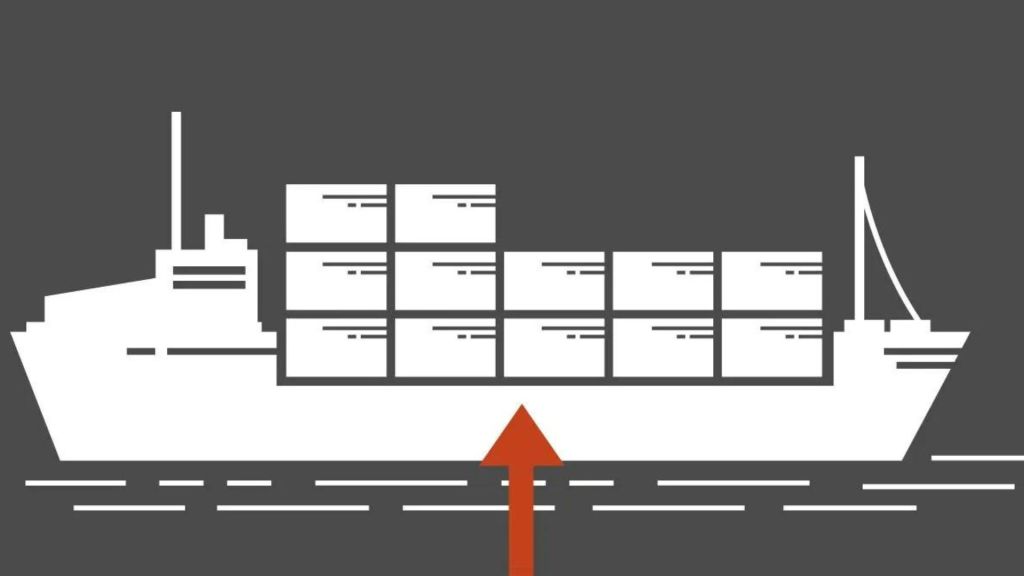
Cutting-edge ships now feature automated systems that continuously monitor and adjust trim. These systems use real-time data to optimize vessel performance without constant human intervention.
AI and Machine Learning Applications
Artificial intelligence (AI) and machine learning algorithms analyze vast amounts of data to predict optimal trim settings for various conditions. These technologies promise to revolutionize trim management, leading to unprecedented levels of efficiency and safety.
Managing Ship Trim
Effective ship trim management forms the backbone of efficient maritime operations. It requires a strategic approach, combining technical knowledge with practical experience.
Strategic Approaches to Trim Control
Maritime professionals employ various strategies to maintain optimal trim:
- Proactive Planning: Before a voyage, meticulous calculations determine the ideal load distribution to achieve the desired trim.
- Dynamic Adjustments: Throughout the journey, constant monitoring and adjustments ensure the ship maintains optimal trim as conditions change.
- Ballast Management: Strategic use of ballast water allows for fine-tuning of trim, especially crucial during loading and unloading operations.
- Fuel Consumption Monitoring: Tracking fuel usage in different trim conditions helps identify the most efficient trim settings for various scenarios.
- Weather Routing: Considering how different sea conditions affect trim allows for proactive adjustments and route optimization.
Common Challenges and Solutions
Managing ship trim often presents unique challenges:
- Varying Cargo Densities: Different cargo types can significantly impact trim. Solution: Develop detailed loading plans that account for cargo characteristics and their effect on trim.
- Rough Sea Conditions: Heavy waves can temporarily alter a ship’s trim. Solution: Implement dynamic trim control systems that can rapidly respond to changing sea states.
- Fuel Depletion: As fuel gets consumed during a voyage, it can affect the ship’s trim. Solution: Incorporate fuel consumption patterns into trim calculations and adjust accordingly.
- Ice Accumulation: In cold climates, ice buildup on the ship’s superstructure can affect trim. Solution: Regular de-icing procedures and adjusting ballast to compensate for added weight.
- Shallow Water Effects: Operating in shallow waters can influence a ship’s trim. Solution: Utilize shallow water trim tables and adjust speed and trim settings accordingly.
By addressing these challenges head-on, maritime professionals can ensure their vessels maintain optimal trim across a wide range of operational scenarios. This proactive strategy improves efficiency and makes a substantial contribution to the ship’s overall performance and safety.
The Future of Ship Trim Optimization
Emerging Trends
The maritime industry shows growing interest in dynamic trim optimization, where trim adjustments occur in real-time based on changing conditions. This strategy could result in notable gains in overall performance and fuel efficiency.
Potential Innovations
Research into new hull designs and advanced materials may result in ships that naturally maintain optimal trim across a wider range of conditions. Additionally, the integration of renewable energy sources might introduce new considerations for trim management.
Mastering Ship Trim: A Crucial Skill for Maritime Professionals

Ship trim remains a fundamental aspect of maritime operations, blending traditional seamanship with cutting-edge technology. As vessels grow larger and more complex, the ability to manage trim effectively becomes increasingly vital.
For aspiring maritime professionals, developing a deep understanding of ship trim offers a pathway to excellence in the field. It demands a combination of theoretical knowledge and practical experience, rewarding those who master its intricacies with enhanced career prospects and the satisfaction of operating vessels at peak efficiency.
The maritime industry continues to evolve, driven by technological advancements and environmental concerns. In this changing landscape, ship trim stands as a timeless principle – a testament to the enduring importance of balance and precision in the art and science of seafaring. By learning about the ins and outs of ship trim, maritime professionals put themselves at the top of their field and are ready to take on the challenges and take advantage of the chances that the modern maritime world has to offer.