On June 4, 2024, in the skies over Nashik, Maharashtra, an Indian Air Force IAF Sukhoi 30 MKI fighter aircraft faced a catastrophic scenario. Thankfully, the story ends well. Both pilots were ejected successfully with minor injuries. However, this tragedy has drawn public attention and raised doubts regarding the crash’s cause and the IAF’s Su-30 MKI fleet’s safety. We’ll also examine public and media reactions and the Su-30 MKI fleet’s modernization and safety enhancements.
IAF Su-30 MKI Crash: What We Know So Far
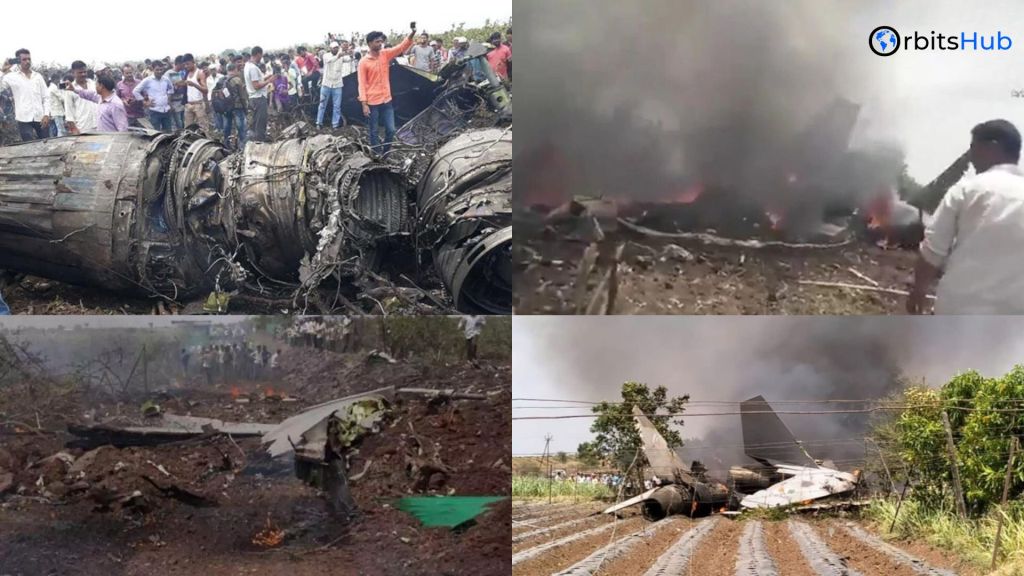
Reports indicate that the Su-30 MKI aircraft was undergoing a test flight after being overhauled by Hindustan Aeronautics Limited (HAL) in Nashik. The pilots encountered a technical snag during the flight and were forced to eject. The aircraft subsequently crashed in a field near Shirasgaon village, Nashik.
Emergency personnel quickly helped the pilots by securing the area and administering medical aid. Fortunately, they could escape in time, keeping them safe. Our goal is to determine what caused the technical difficulty and crash.
The Su-30 MKI: A Workhorse of the IAF
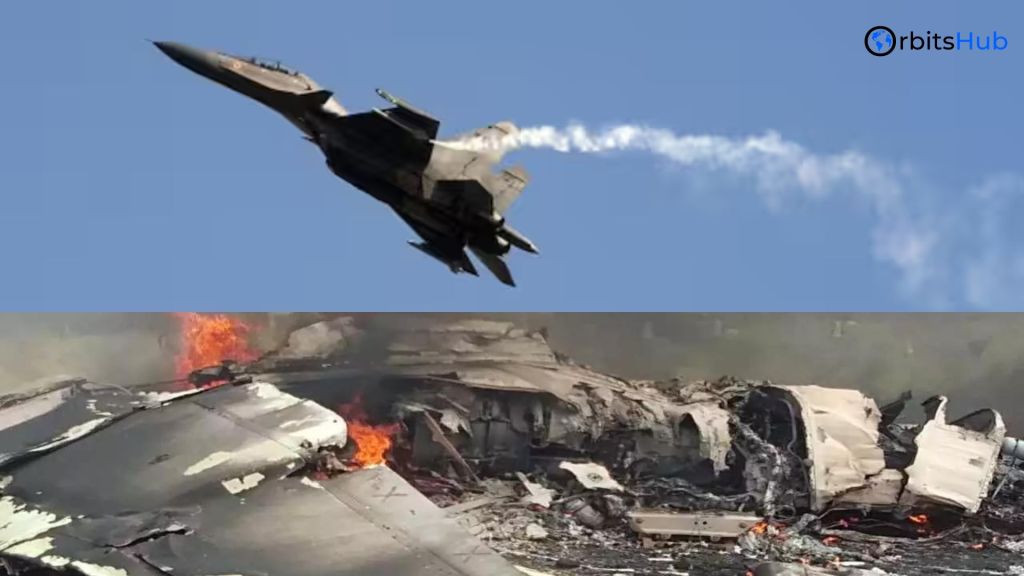
The Sukhoi Su-30 MKI is a twin-engine, twin-seater, highly manoeuvrable fighter aircraft jointly developed by India and Russia. It’s a variant of the Su-30 family and is considered a vital part of the IAF’s arsenal. The Su-30 MKI is known for its:
- Multirole Capability: This aircraft can perform various missions, including air superiority, ground attack, reconnaissance, and aerial refuelling.
- Advanced Avionics: The Su-30 MKI has state-of-the-art avionics systems, including radar, weapon targeting systems, and electronic warfare capabilities.
- Superior Maneuverability: The aircraft’s canards (tiny, forward wings) and powerful engines provide exceptional agility, allowing it to perform complex manoeuvres.
The Su-30 MKI has been crucial in safeguarding India’s airspace for many years.
Potential Causes of the Crash: IAF Su-30 MKI
Several factors have been considered to narrow down the crash’s official cause:
- Technical Malfunction: A mechanical failure or malfunction in the aircraft’s systems could have caused the pilots to lose control.
- Pilot Error: While less likely, given the experience of IAF pilots, human error can never be entirely ruled out.
- External Factors: Adverse weather conditions or a bird strike could have affected the incident.
The IAF’s ongoing investigation will shed light on the cause of the crash, allowing for necessary corrective measures to be implemented.
Public Reaction and Media Coverage of the IAF Su-30 MKI Crash
This section will explore the public’s reaction and media coverage of the IAF Su-30 MKI crash. Here are some points to consider:
- Initial Concerns and Outpouring of Support: News of the crash likely caused public concern for the pilots’ safety. Highlight the positive response, such as messages of support for the pilots and the IAF.
- Media Scrutiny and Calls for Transparency: The media will likely scrutinize the cause of the crash and raise questions about safety protocols. Discuss the importance of transparency from the IAF in addressing public concerns.
- Potential Impact on Public Perception: Despite the good news of the pilots’ safe ejection, the accident may raise the safety concerns of the Su-30 MKI fleet. Discussions regarding the International Air Force’s (IAF) dedication to safety should be addressed.
The Future of the Su-30 MKI Fleet: Modernization and Safety Upgrades
This section will delve into the future of the Su-30 MKI fleet, considering factors like modernization and safety upgrades.
- Importance of the Su-30 MKI to the IAF: Reiterate the critical role the Su-30 MKI plays in India’s defence strategy.
- Modernization Programs: Discuss ongoing or planned modernization programs for the Su-30 MKI fleet. This could include upgrades to avionics, weapon systems, and engines.
- Focus on Safety Enhancements: Highlight the IAF’s commitment to implementing safety upgrades based on the findings of the crash investigation and industry best practices. This could involve incorporating new technologies, improving pilot training procedures, and implementing stricter maintenance protocols.
The incident involving the IAF Su-30 MKI highlights the dangers of flying missions. However, the pilots’ safe ejection highlights the effectiveness of training protocols and emergency procedures. The IAF’s commitment to transparency in the ongoing investigation will be crucial in maintaining public trust. Looking ahead, modernization programs and a continued focus on safety upgrades are paramount to ensuring the Su-30 MKI fleet remains a formidable force for years to come.
Considering Exploring Maritime and Aviation Consultancy Services? This incident highlights the importance of upholding the highest safety standards in the aviation industry. Among the many services offered by OrbitsHub, a frontrunner in the field of maritime and aviation consulting, are:
- Aircraft maintenance and safety audits
- Regulatory compliance assistance
- Risk management solutions
If you’re interested in learning more about how OrbitsHub can help ensure the safety and efficiency of your aviation operations, feel free to visit their website or contact them directly.