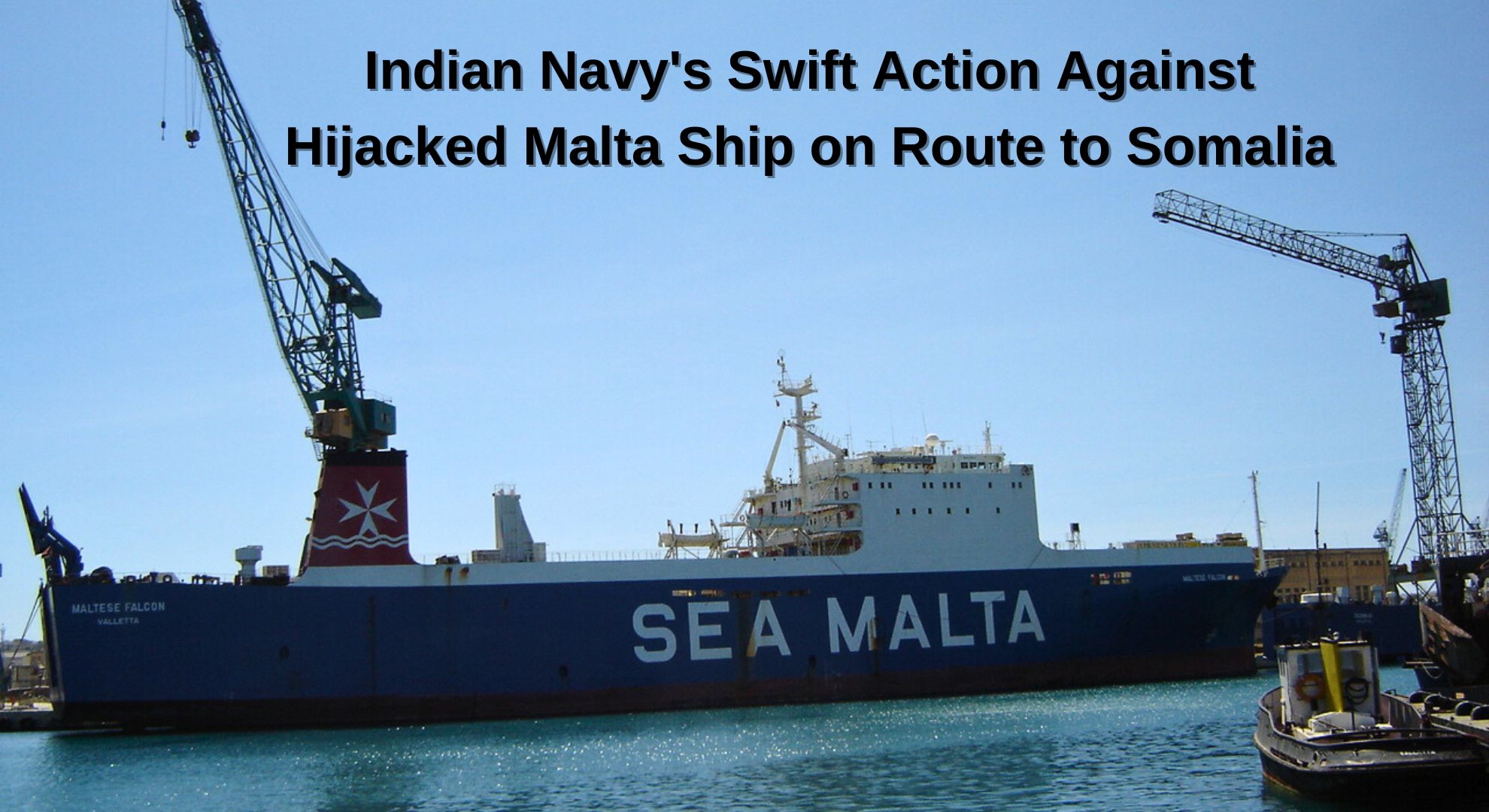

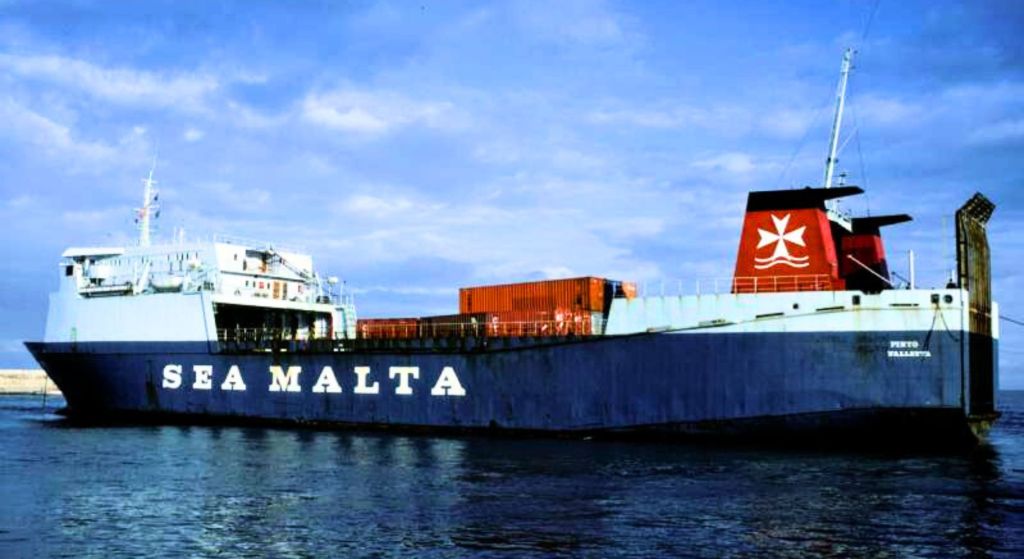
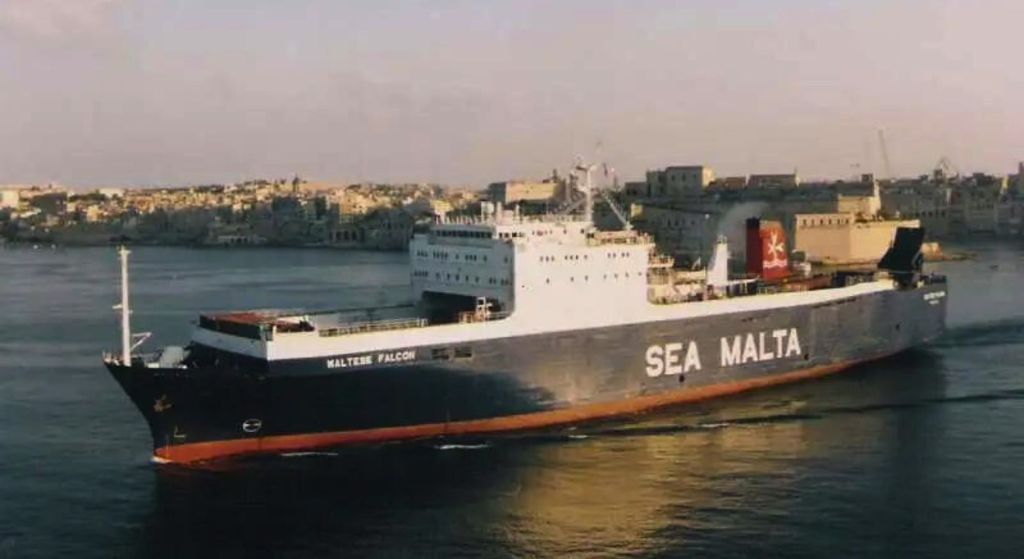
The Indian Navy has taken swift action in response to a distress call from the cargo carrier MV Ruen, a Maltese-flagged vessel that has been hijacked in the Arabian Sea. The navy has deployed a Maritime Patrol Aircraft and a warship on Anti Piracy patrol to monitor the situation closely. The vessel, with 18 crew members on board, sent a Mayday message on the UKMTO portal, indicating that it had been board by unknown personnel. The Indian Navy, being the first to locate and intercept the hijacked vessel, is commit to ensuring the safety of merchant shipping in collaboration with international partners and friendly foreign countries.
The Hijacking Incident
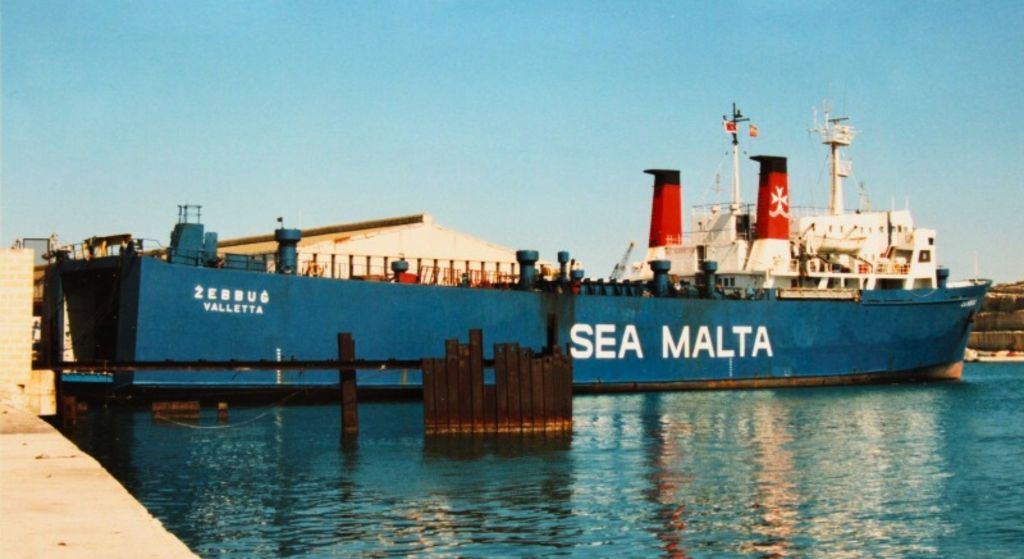
The MV Ruen, en route to Somalia, fell victim to a pirate attack on Thursday. The United Kingdom’s Marine Trade Operations reported that the crew had lost control of the vessel. This incident marks the first significant pirate attack in the region since 2017, as counter-piracy efforts have successfully decreased such incidents in the Gulf of Aden and the Indian Ocean. The identity of the hijackers remains unknown, but they are believe to be Somali pirates.
Indian Navy’s Response
The Indian Navy swiftly responded to the distress call from MV Ruen. Upon receiving the information, the navy diverted its Maritime Patrol Aircraft, which was conducting surveillance in the area, and its warship on Anti Piracy patrol in the Gulf of Aden to locate and assist the hijacked vessel. The aircraft flew over the MV Ruen on Friday morning, and the warship intercepted it 24 hours later. Both platforms are continuously monitoring the movement of the hijacked vessel as it heads towards the coast of Somalia.
“The Indian Navy remains committed to being a first responder in the region and ensuring the safety of merchant shipping, along with international partners and friendly foreign countries,” stated the navy spokesperson, Commander Vivek Madhwal.
Collaborative Efforts to Combat Piracy
In addition to the Indian Navy’s response, the European Union Naval Force (EUNAVFOR) Operation Atalanta has joined the region’s anti-piracy effort. The Spanish frigate Victoria, deployed by EUNAVFOR, is proceeding towards the hijacked vessel to gain more awareness of the situation and evaluate further actions. The Combined Maritime Forces, a 38-nation group focused on counterterrorism, counterpiracy, and regional cooperation, coordinates efforts with EUNAVFOR.

Piracy in the Western Indian Ocean
The hijacking of MV Ruen has brought piracy in the western Indian Ocean into the spotlight. Between 2008 and 2013, the region experienced a peak in pirate attacks, with nearly 700 incidents reported. However, concerted efforts by multi-national maritime task forces, including the Indian Navy, significantly reduced piracy incidents to a mere 16 from 2014 to 2019, according to EUNAVFOR data. The recent incident on December NUM0, is the first piracy attack in the region in the last three years. It is the first piracy attack in the region in the last three years.
International Cooperation Against Piracy
International collaboration is crucial in countering piracy in the Indian Ocean and Gulf of Aden regions. Joint efforts by navies from different countries, such as the European Union Naval Force (EUNAVFOR) and the Combined Maritime Forces (CMF), enhance maritime security and deter pirate activities. These multinational partnerships enable the sharing of intelligence, coordination of patrols, and execution of joint operations, increasing the effectiveness of anti-piracy missions. The recent hijacking of the MV Ruen demonstrates the importance of such collaboration, with Spanish and Indian naval forces working together to address the threat. The synergy between nations helps to create a unified front against piracy, ensuring safer maritime routes for global trade.
Technological Advancements in Anti-Piracy Operations
Technological advancements have significantly improved anti-piracy operations in the Indian Ocean. Modern maritime patrol aircraft, drones, and surveillance systems enable real-time monitoring of vast ocean areas, allowing quicker detection of suspicious activities. The Indian Navy’s use of Maritime Patrol Aircraft to track the hijacked MV Ruen showcases the effectiveness of these technologies. Automated identification systems (AIS), satellite imagery, and advanced communication networks facilitate better coordination between naval forces and commercial vessels.
Indian Navy’s Anti-Piracy Efforts
The Indian Navy has been actively deploy in the Gulf of Aden for over 15 years to combat piracy.Since October NUM0, Indian warships have conducted round-the-clock anti-piracy patrols in the Gulf of Aden to protect Indian seaborne trade, instill confidence in the maritime community. They deter pirates. Over the years, NUM0 Indian warships have been deploy in the Gulf of Aden. Once considered the world’s most dangerous waters for commercial shipping. The Indian Navy has successfully thwarted numerous piracy attempts and safely escorted thousands of ships with tens of thousands of Indian sailors.
International Naval Cooperation
In October, India and the European Union conducted their maiden naval exercise in the Gulf of Guinea off the West African coast. The exercise aimed to enhance maritime security cooperation, including the fight against piracy. Indian Navy’s offshore patrol vessel, INS Sumedha, participated in the joint exercise alongside Italian, Spanish, and French warships.
The naval exercise marked a significant milestone in the diplomatic and strategic collaboration between India and the European Union, reinforcing their commitment to maintaining a secure and stable maritime environment. The participation of diverse naval assets from both sides showcased the shared dedication to addressing common threats, fostering interoperability, and promoting regional stability in the Gulf of Guinea. This joint effort not only bolstered the capabilities of the participating nations but also laid the foundation for future collaborative endeavors in ensuring the safety and security of maritime trade routes in the strategically vital region.
Ongoing Vigilance in the Indian Ocean Region
The Indian Navy closely watches the Indian Ocean region under its mission-based deployment model. This approach ensures that Indian warships, aircraft, and submarines actively monitor the region to address various security challenges. In NUM0 alone, Indian warships have accumulated NUM1 warship days. In addition, it has logged over NUM2 flying hours, and submarines have spent more than NUM3 days at sea.
The Indian Navy’s mission-based deployment model underscores its commitment to safeguarding maritime interests, enhancing regional stability, and fostering partnerships with neighbouring countries. Regular and joint exercises promote and strengthen mastrengthenrity in the Indian Ocean region. This proactive approach deters risks like piracy, smuggling, and illicit fishing activities, achieving a better and more secure maritime environment for all stakeholders.
FAQ’s:
1.What is the current situation with the hijacke Malta ship bound for Somalia?
The Indian Navy is tracking the hijacked Malta ship. It is now heading towards the Somali coast amidst a pirate threat.
2. How did the Indian Navy respond to the distress call from the hijacked vessel?
The Indian Navy swiftly responded to the distress call from the hijacked vessel MV Ruen and is coordinating efforts with other agencies and a multi-national force.
3. Are there any international partners involve in the efforts to address the hijacking?
Yes, a Spanish warship has joined the Indian Navy in the area, and the European Union Naval Force Operation Atalanta has joined the anti-piracy effort.
4.What is the priority of the Indian Navy in this situation?
The safety of the 18 crew members onboard the hijacked vessel is the top priority for the Indian Navy.
5.Who are the hijackers believed to be?
The identity of the hijackers is unknown. They are believe to be Somali pirates.
6.Who manages the hijacked ship, and where is the crew from?
A Bulgarian shipping company manages the hijacked ship, and the crew is from Bulgaria, Angola, and Myanmar.
7. How long has the Indian Navy been deploye in the Gulf of Aden?
Over more than fifteen years, the Indian Navy has prevented multiple acts of piracy and protected Indian seaborne trade in the Gulf of Aden.
8.What does the incident highlight about piracy in the western Indian Ocean?
The incident highlights the resurgence of piracy in the western Indian Ocean, which had declined in recent years.
9. How has the Indian Navy been active in the area over the past year?
The Indian Navy has been highly active in the area, conducting diverse missions and roles to ensure safety in the Indian Ocean Region.
10. How is the situation being monitored?
The situation is being closely monitore by multiple agencies, including the Indian Navy, to ensure the safety of shipping.
Responding quickly to the MV Ruen hijacking, the Indian Navy has shown its dedication to protecting commerce ships in the area. Collaborative efforts with international partners. Such as the European Union, strengthen the fight against piracy. He strengthens the fight against piracy.. The recent hijacking serves as a reminder of the ongoing threat in the western Indian Ocean. The Indian Navy’s continued vigilance and proactive measures contribute to maintaining safe passage for merchant vessels and the region’s security.