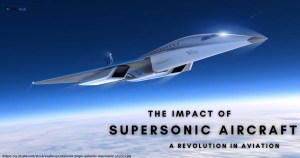
In the dynamic realm of aerospace, innovation propels us forward, pushing boundaries and redefining what’s possible. One such monumental leap is the advent of supersonic aircraft, heralding a new era in air travel. These marvels of engineering have captivated the imagination of aviation enthusiasts worldwide. Join us as we delve into the revolutionary innovations shaping the future of aerospace with a spotlight on supersonic aircraft.
Revolutionizing Air Travel: The Promise of Supersonic Speeds
Air travel has come long since the Wright Brothers’ historic flight in 1903. Over the decades, we’ve witnessed innovations that have made the world feel smaller and more accessible. One such innovation on the horizon is the return of supersonic travel, which promises to revolutionize air travel once again.
Supersonic speeds, defined as speeds exceeding Mach 1 (approximately 767 miles per hour or 1,235 kilometers per hour), can dramatically reduce passenger travel time. This means that a flight from New York to London, which typically takes around seven hours, could be completed in just a few hours, ushering in a new era of efficiency and convenience in air travel.The promise of supersonic speeds hinges on several key factors:
A. Reduced Travel Time: Supersonic aircraft will cut travel time significantly, making long-haul flights more accessible and time-efficient for passengers. Business travelers and those exploring far-flung destinations will benefit significantly from this.
B. Environmental Concerns: New supersonic aircraft are being designed with a focus on reduced environmental impact. Quieter engines and more fuel-efficient designs aim to mitigate some of the drawbacks of supersonic flight.
C. Economic Potential: The return of supersonic flight can help the economy grow by creating new ways to travel and trade worldwide.
The Tech Behind the Boom: How Supersonic Aircraft Work
The renaissance of supersonic travel is made possible by cutting-edge technology and engineering marvels. Understanding the tech behind supersonic aircraft is essential to grasp their potential and challenges:
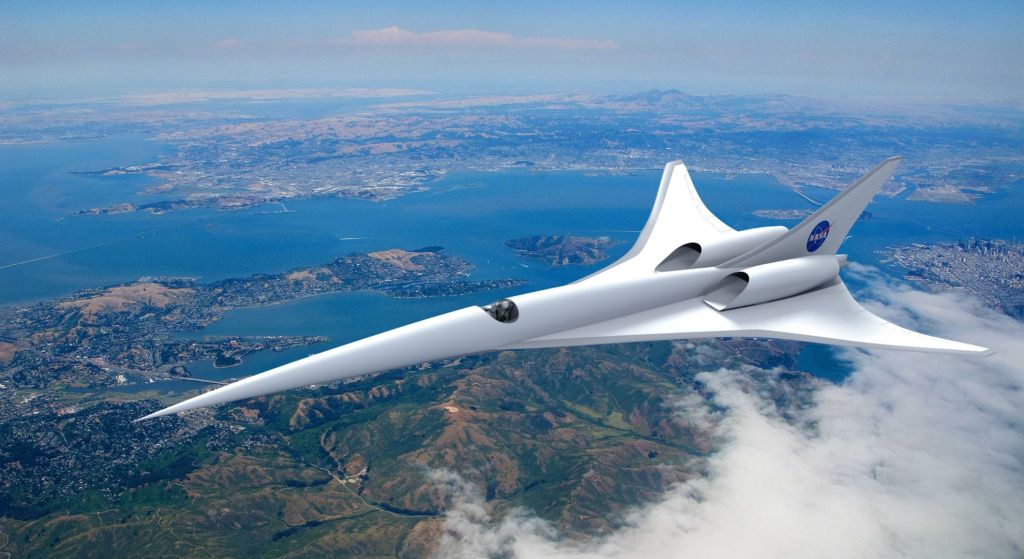
A. Aerodynamics: Supersonic aircraft feature sleek, streamlined designs that minimize drag and enhance efficiency. Their wings and body are carefully shaped to manage the shockwaves generated during flight.
B. Powerful Engines: Supersonic jets rely on powerful engines sustaining supersonic speeds for extended periods. These engines are optimized for efficiency and performance.
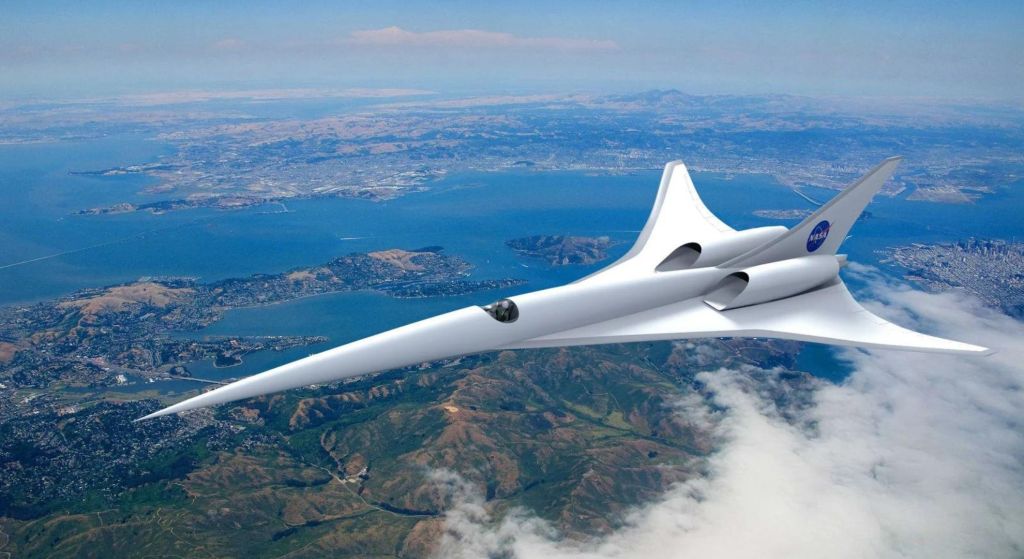
C. Sonic Booms: One challenge of supersonic flight is the generation of sonic booms when an aircraft breaks the sound barrier. To mitigate this, new designs are being tested to reduce the intensity and impact of sonic booms over populated areas.
D. Materials: Supersonic aircraft need to withstand extreme temperatures and pressures. Advanced materials like carbon composites are used to ensure the plane’s structural integrity.

Supersonic Travel: From Concorde to the Next Generation
The history of supersonic travel is marked by iconic aircraft like the Concorde, which operated from 1976 to 2003. While the Concorde was a marvel of its time, it faced challenges that eventually led to its retirement, including high operating costs and environmental concerns.
Today, a new generation of supersonic aircraft is emerging, building upon lessons learned from the Concorde era. These aircraft aim to address previous shortcomings:
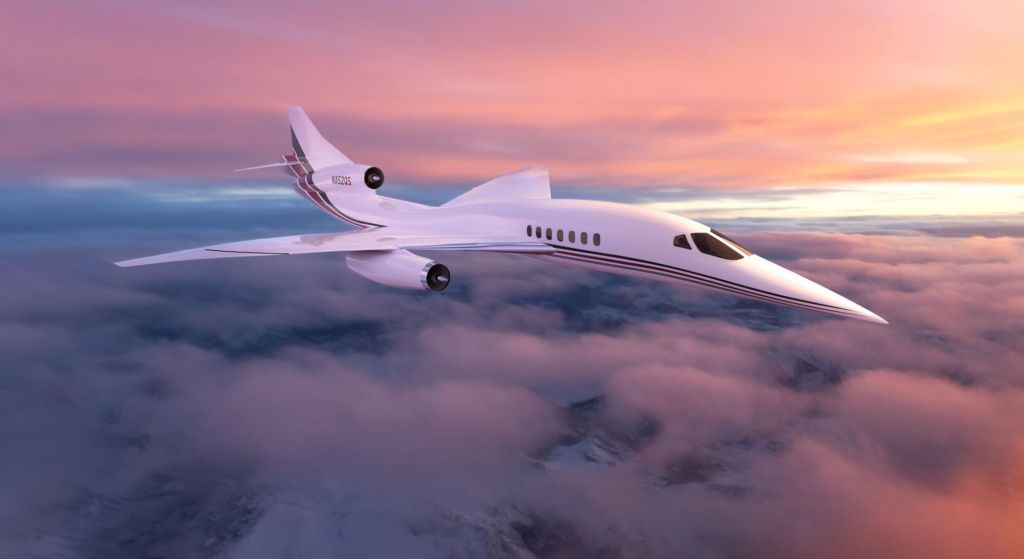
A. The Boom Overture: One of the most promising supersonic aircraft in development is the Boom Overture. It aims to carry passengers at Mach 2.2, faster than the Concorde, but with a focus on sustainability through advanced materials and quieter engines.
B. Regulatory Hurdles: The return of supersonic flight also involves navigating complex regulatory challenges related to noise pollution, emissions, and airspace management. Collaboration between aviation companies and regulatory bodies is crucial to overcoming these hurdles.
C. Commercial Viability: The success of supersonic travel hinges on its commercial viability. Ensuring that tickets are accessible to a broader range of passengers will be critical to the industry’s sustainability and growth.
Materials of the Future: Building Supersonic Aircraft for Efficiency and Safety
The pursuit of supersonic flight has long been a dream of aerospace engineers, and as technology advances, we are inching closer to making it a reality. One of the critical aspects of realizing efficient and safe supersonic aircraft lies in developing cutting-edge materials.
These materials must withstand extreme temperatures, aerodynamic forces, and intense vibrations experienced during supersonic flight. Advances in composite materials, such as carbon-fiber-reinforced polymers, are promising, offering high strength-to-weight ratios and resistance to fatigue. Additionally, research into innovative alloys and ceramics capable of enduring supersonic conditions is ongoing, highlighting the interdisciplinary nature of this pursuit involving materials science, aerodynamics, and propulsion engineering.
Materials Advancements
- Carbon Composites: Using advanced carbon composites in aircraft construction has gained prominence. These materials offer high strength-to-weight ratios, reducing the overall weight of supersonic planes, which is critical for efficiency.
- Ceramic Matrix Composites (CMCs): CMCs are materials that don’t melt quickly and can handle the high temperatures created during supersonic flying. They are used in motor parts to ensure they are safe and last long.
- Innovative Materials: Integrating intelligent materials, like shape-memory alloys, allows for adaptive wing structures, optimizing aerodynamics during different flight phases and enhancing both efficiency and safety.
Safety Considerations
- Sonic Booms: Reducing the sonic boom generated by supersonic flight is essential to prevent disturbance to the ground. Materials that can dampen these shockwaves are under development.
- Thermal Protection: Materials capable of withstanding the intense heat generated during supersonic travel, especially at the nose and leading edges of the aircraft, ensure safety and longevity.
- Structural Integrity: Ensuring that materials can withstand the stress and fatigue of repeated supersonic flights is crucial for passenger safety.
The future of supersonic flight hinges on the continuous advancement of materials science. Innovations in materials will enhance the efficiency and safety of supersonic aircraft and open the door to more sustainable and accessible high-speed travel.
Beyond Passenger Jets: Supersonic Innovations in Military Aviation
While supersonic passenger jets capture headlines, military aviation has been at the forefront of supersonic innovation for decades. The military harnesses supersonic airplane technology for many applications, pushing the boundaries of what’s possible in the sky.
Military aviation has utilized supersonic technology for surveillance, combat, and strategic missions, enabling swift responses and superior tactical advantage. From the iconic SR-71 Blackbird to modern fighter jets like the F-22 Raptor, supersonic capabilities enhance agility, speed, and stealth, crucial for maintaining air superiority in contested environments. Additionally, research into hypersonic flight promises even more incredible advancements, with potential applications ranging from rapid strike capabilities to space access.
Supersonic Military Applications
- High-Speed Reconnaissance: Supersonic aircraft like the SR-71 Blackbird were used for rapid reconnaissance. Their flying ability at Mach 3 allowed quick data collection in hostile territories.
- Strategic Bombers: Supersonic bombers, such as the B-1B Lancer, can rapidly deploy anywhere in the world, presenting a deterrent and quick-response capability.
- Interceptor Aircraft: Supersonic interceptor jets, like the MiG-25, were designed to counter enemy aircraft and missiles. Their speed and altitude capabilities provided a vital defense mechanism.
- Stealth and Supersonic: Future military aircraft will likely combine supersonic speed with stealth technology, offering unmatched offensive and defensive capabilities. These aircraft could carry out rapid strikes while remaining undetected.
Challenges and Advancements
- Noise Reduction: Reducing the noise signature of supersonic military aircraft is crucial for maintaining operational secrecy.
- Materials and Durability: Materials must withstand extreme speeds, temperatures, and stresses while maintaining structural integrity.
- Fuel Efficiency: Enhancing the fuel efficiency of supersonic military aircraft can extend their range and mission capabilities.
Innovations in supersonic military aviation bolster national defense and drive advancements that may eventually benefit commercial aviation. The convergence of supersonic and stealth technologies promises to reshape the future of military aviation.
The Future Skyline: How Supersonic Flight Will Transform Global Travel
The advent of supersonic flight promises to revolutionize global travel, shrinking distances and transforming how we experience the world.
Speed and Efficiency
- Supersonic aircraft can travel at Mach 2 or more speeds, significantly reducing travel time. A flight from New York to London, which takes around 7 hours on a subsonic plane, could be completed at supersonic speeds in just over 3 hours.
- Reduced flight durations mean less fuel consumption per passenger mile, potentially making supersonic travel more environmentally friendly than subsonic alternatives.
Global Accessibility
- Supersonic flight opens up new possibilities for long-haul travel, making it feasible to explore distant destinations within a single day.
- Business travelers, in particular, stand to benefit from the time saved on transcontinental flights.
Challenges and Considerations
- Noise Pollution: Managing the sonic boom generated by supersonic flight over populated areas is a significant challenge. Advances in aerodynamics and noise-reducing technologies are crucial to addressing this issue.
- Infrastructure: Developing the necessary infrastructure, including suitable runways and airport facilities, is essential for integrating supersonic aircraft into the global travel network.
- Affordability: Making supersonic travel accessible to a broader range of passengers will require cost-effective design and operations innovations.
Supersonic aeroplane is poised to transform how we explore the world, making international travel more accessible and efficient. As technology advances and challenges are overcome, the future skyline will undoubtedly include more supersonic options, offering passengers a new dimension of speed and convenience.

FAQs
1. What exactly is a supersonic aircraft?
A supersonic aircraft is an airplane made to go faster than sound, usually written as Mach 1. In other words, it can go faster than 767 miles per hour than regular business planes.
2. How do supersonic aircraft achieve such incredible speeds?
Supersonic aircraft utilize powerful jet engines and aerodynamic designs to generate thrust and minimize air resistance. They are designed to break through the sound barrier effectively, allowing them to achieve supersonic speeds.
3. What are the potential benefits of supersonic travel?
Supersonic aircraft have the potential to reduce travel times for long-haul flights drastically. For instance, a trip from New York to London could be reduced by half. This offers convenience and opens up new possibilities for global business and tourism.
4. Are there any environmental concerns associated with supersonic flight?
Efforts are being made to address the environmental impact of supersonic travel. Manufacturers are researching and developing technologies to minimize noise pollution and mitigate emissions. These advancements aim to strike a balance between speed and sustainability.
5. Are supersonic aircraft currently in operation for commercial travel?
While ongoing projects and prototypes are developing, supersonic aircraft are not widely commercially available. However, several companies are working towards this milestone, and the day when passengers can experience supersonic travel may be pretty close.
6. What does the future hold for supersonic aviation?
The future of supersonic aviation looks promising. We can expect more efficient and environmentally friendly supersonic aircraft to emerge as technology advances. With continued research and investment, supersonic travel could become a transformative force in the aerospace industry.
The rise of supersonic planes shows how creative people are and how hard they work to progress in flight engineering. These innovations promise to reshape how we traverse the skies, bringing distant destinations within arm’s reach. As we look ahead, it’s clear that the era of supersonic flight is on the horizon, poised to redefine the future of air travel for generations to come.