The Chinook helicopter, officially known as the Boeing CH-47 Chinook, has been a cornerstone of military aviation since its introduction in the early 1960s. Recognized for its distinctive tandem rotor design, the Chinook is a highly versatile, multi-mission aircraft utilized by numerous armed forces around the globe. From troop transportation to heavy lifting, the Chinook has proven to be an indispensable asset in combat and humanitarian operations.
Tandem Rotor Design: Chinook Helicopter
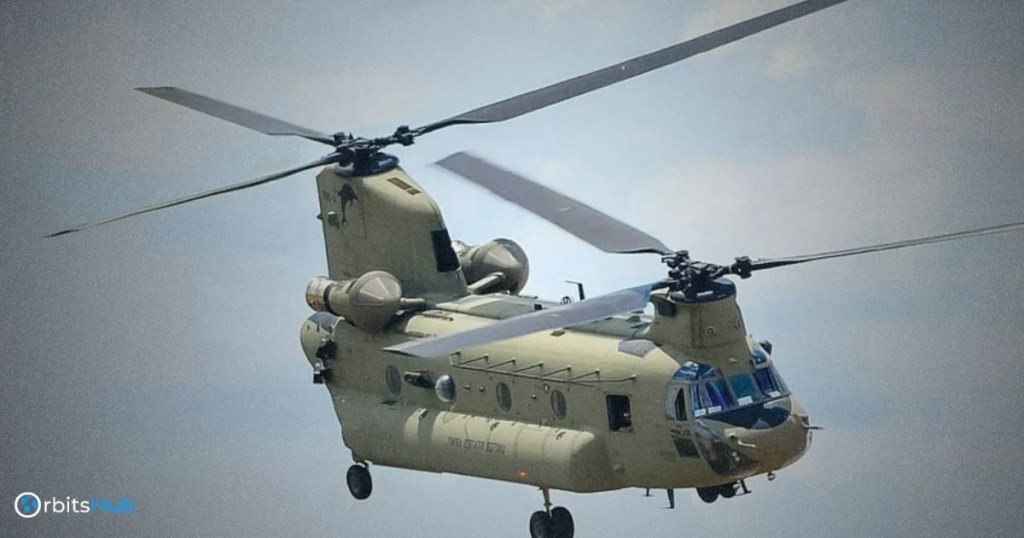
One of the most recognizable features of the Chinook helicopter is its tandem rotor design. To compensate for torque, the Chinook has two massive rotors, one at the front and one at the back of the aircraft, as opposed to the typical design of helicopters. This configuration allows the Chinook to achieve remarkable stability and lift capabilities, making it ideal for carrying heavy loads in various conditions.
Advantages of Tandem Rotor Design
The tandem rotor system offers several advantages over traditional single-rotor helicopters:
- Increased Lift Capacity: The twin rotors provide more lift, allowing the Chinook to carry substantial payloads, including troops, vehicles, and equipment.
- Enhanced Stability: The absence of a tail rotor reduces the risk of control issues, especially in solid crosswinds, making the Chinook more stable during flight.
- Compact Design: The lack of a tail rotor also reduces the overall length of the helicopter, making it more maneuverable and more accessible to transport in confined spaces.
Operational Flexibility
The tandem rotor design also contributes to the Chinook’s operational flexibility. Whether flying at high altitudes, over rugged terrain, or in extreme weather conditions, the Chinook’s design ensures reliable performance. This versatility has made the Chinook a preferred choice for missions ranging from combat resupply to disaster relief.
Power and Performance: Chinook Helicopter
Its powerful engine system is the core of the Chinook’s impressive capabilities. The latest variant, the CH-47F, is equipped with two Honeywell T55-GA-714A turboshaft engines, each producing 4,868 shaft horsepower. This power allows the Chinook to reach speeds of up to 196 miles per hour (170 knots) and operate at altitudes exceeding 20,000 feet.
High Payload Capacity
One of the most significant advantages of the Chinook’s engine power is its high payload capacity. The CH-47F can lift to 24,000 pounds (10,886 kg) of cargo, making it one of the most capable heavy-lift helicopters in the world. This capacity enables the Chinook to transport a wide range of military and civilian equipment, including:
- Armored vehicles
- Artillery pieces
- Construction materials
- Humanitarian aid supplies
Long-Range Operations
In addition to its lifting capabilities, the Chinook’s engines provide it with a considerable operational range. The helicopter can travel up to 400 miles (644 km) without refueling, allowing it to perform long-range missions without frequent stops. In-flight refueling can extend this range, enhancing the Chinook’s strategic value.
Chinook Helicopter: Enhancing Mission Effectiveness
Modern Chinook helicopters have state-of-the-art avionics systems that enhance their mission effectiveness and safety. The CH-47F variant features the Digital Automatic Flight Control System (DAFCS), which provides precise control and stability in challenging flight conditions. This system reduces pilot workload, allowing them to focus more on mission objectives.
Digital Cockpit
The Chinook’s digital cockpit is designed with advanced displays and controls that provide pilots with critical flight information at a glance. Key features include include:
- Multi-Function Displays (MFDs): These screens provide real-time data on engine performance, navigation, and mission status, enabling pilots to make informed decisions quickly.
- Enhanced Situational Awareness: The avionics suite includes terrain avoidance systems, weather radar, and threat detection capabilities, improving the Chinook’s ability to operate safely in hostile environments.
- Communication Systems: The Chinook has secure, multi-channel communication systems that ensure seamless coordination with ground forces, other aircraft, and command centers.
Night Vision Capability
The Chinook also has night vision capabilities, allowing it to conduct missions in low-light conditions. Integrating night vision goggles (NVGs) and compatible cockpit lighting ensures pilots can maintain situational awareness during nighttime operations. This capability is crucial for conducting covert operations and supporting ground forces under darkness.
Versatility in Mission Profiles: Chinook Helicopter
The Chinook helicopter is renowned for its versatility, allowing it to perform various operations in different environments. It is helpful for both civilian and military operations due to its versatility.
Troop Transport
One of the primary roles of the Chinook is troop transport. The helicopter can carry up to 55 fully-equipped soldiers, making it an essential tool for rapid deployment and evacuation. The rear ramp allows for quick loading and unloading, which is crucial during combat operations.
Search and Rescue (SAR)
The Chinook’s heavy-lift capability and long range make it ideal for search and rescue missions. It can carry rescue teams, medical supplies, and evacuees from disaster-stricken areas, often operating in challenging conditions where other helicopters might struggle.
Humanitarian Aid and Disaster Relief
In addition to military operations, the Chinook plays a vital role in humanitarian aid and disaster relief efforts. Its ability to deliver large quantities of supplies to remote or inaccessible areas has made it a key asset in responding to natural disasters, such as earthquakes and floods. A swift and efficient delivery of relief is guaranteed by the helicopter’s ability to fly in challenging weather conditions.
Special Operations
The Chinook is also used extensively in special operations. Its speed, range, and ability to carry heavy loads make it suitable for inserting and extracting special forces teams behind enemy lines. The helicopter can support these high-risk missions with additional fuel tanks, weapons, and advanced avionics.
The Chinook helicopter is a remarkable example of engineering excellence, combining power, versatility, and reliability in a single platform. The unique tandem rotor design of this helicopter is a key factor in its indispensability for military forces worldwide.
Its powerful engines, advanced avionics, and wide range of mission capabilities also contribute to this status. As the Chinook continues to evolve with new upgrades and technology, it will undoubtedly remain a cornerstone of military aviation for years.
If you want to learn more about the Chinook helicopter or explore how advanced aviation technology can benefit maritime operations, visit Orbitshub. Orbitshub offers expert consultancy services in the marine and aviation sectors, helping you navigate the complexities of modern technology and operations.