The Indian Air Force (IAF) experience an unfortunate mishap in March 2022 when a BrahMos missile was inadvertently launched and landed in the neighbouring country, Pakistan. This incident, the first of its kind, raised several questions and caused significant ripples in the international community. This comprehensive piece dissects the reasons behind this accidental firing and its impact on the relations between India and Pakistan.
A Brief Introduction To BrahMos
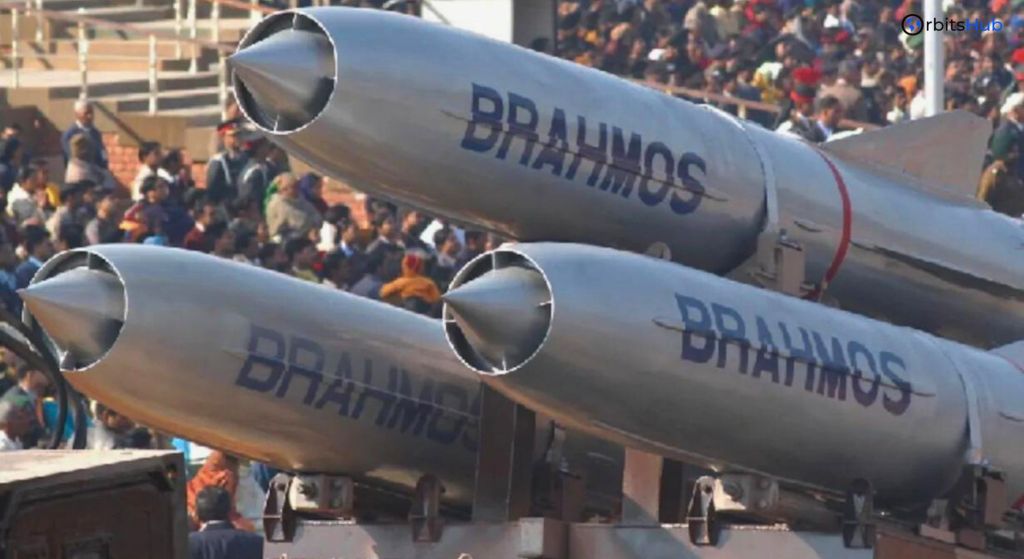
BrahMos is a powerful supersonic cruise missile that can be launch from land, air, and sea. This resulted from a collaboration between Russia’s NPO, Mashinostroyeniya, and India’s Defence Research and Development Organization (DRDO). Named after the Brahmaputra River in India and the Moskva River in Russia, BrahMos is hailed as one of the fastest supersonic cruise missiles in the world.
The Accidental Firing Incident
On 9th March 2022, a BrahMos missile was unintentionally fire, causing it to land in Pakistan. This inadvertent firing episode was unprecedented and led to a significant diplomatic strain between India and Pakistan.
The Reason Behind The Mishap: BrahMos Missile
According to a report by The Economic Times, the IAF’s reply to the Delhi High Court revealed that the combat connectors of the BrahMos missile “remained connected to the junction box,” which led to the accidental firing. Despite being aware of this connectivity, the combat crew failed to intervene and prevent the Mobile Autonomous Launcher commander from committing an unsafe act of launching the missile.
The Financial Implication
The accidental missile-firing incident caused a loss of ₹25 crores ($3.3 million) to the government exchequer. This massive financial burden resulted from the loss of the missile, the damage to the IAF’s reputation, and the potential threat it posed to any airborne or ground object/personnel.
The Diplomatic Aftermath: BrahMos Misfire
The accidental firing incident had a profound impact on India’s relations with Pakistan. The IAF’s reply to the high court acknowledged this and stated that the incident had the “effect of affecting the relations” between the two nations.
The Court of Inquiry’s Investigation
Following the incident, the IAF instituted a Court of Inquiry (COI) to investigate the matter. The CoI examined as many as 16 witnesses and found Group Captain Saurabh Gupta, Squadron Leader Pranjal Singh, and Wing Commander Abhinav Sharma, all Combat Team members responsible for the incident.
The Petition Filed By Wing Commander Sharma
Wing Commander Abhinav Sharma filed a petition in the Delhi High Court alleging that the Air Commodore and Squadron Leader had ignored safety precautions, leading to the mishap. However, the IAF denied these allegations, stating that all activities occurred in Sharma’s presence inside the Mobile Autonomous Launcher.

The President’s Pleasure Clause
The IAF took the drastic step of invoking the “President’s Pleasure” clause to terminate the services of the three officials responsible for the incident. This measure, which had not been taken in the IAF for the last 23 years, was deemed necessary due to the gravity of the situation.
The Implications For The Future: BrahMos
The accidental firing incident has raised critical questions about the safety measures for handling such powerful weaponry. It underscores the need for more robust procedures and safety protocols to prevent such incidents from recurring.
The Lessons Learned
This incident is a stark reminder of the high stakes in managing and operating advanced weaponry. It emphasizes how crucial it is to follow tight protocols, implement stringent safety measures, and maintain ongoing watchfulness to avoid incidents of this nature.
The unintentional launch of the BrahMos missile into Pakistan was a regrettable event with severe financial and diplomatic ramifications. It emphasizes the necessity of strict safety precautions and procedures when working with cutting-edge weapons like the BrahMos missile. As investigations continue and lessons are learn, it is hope that such incidents will be avoid in the future.