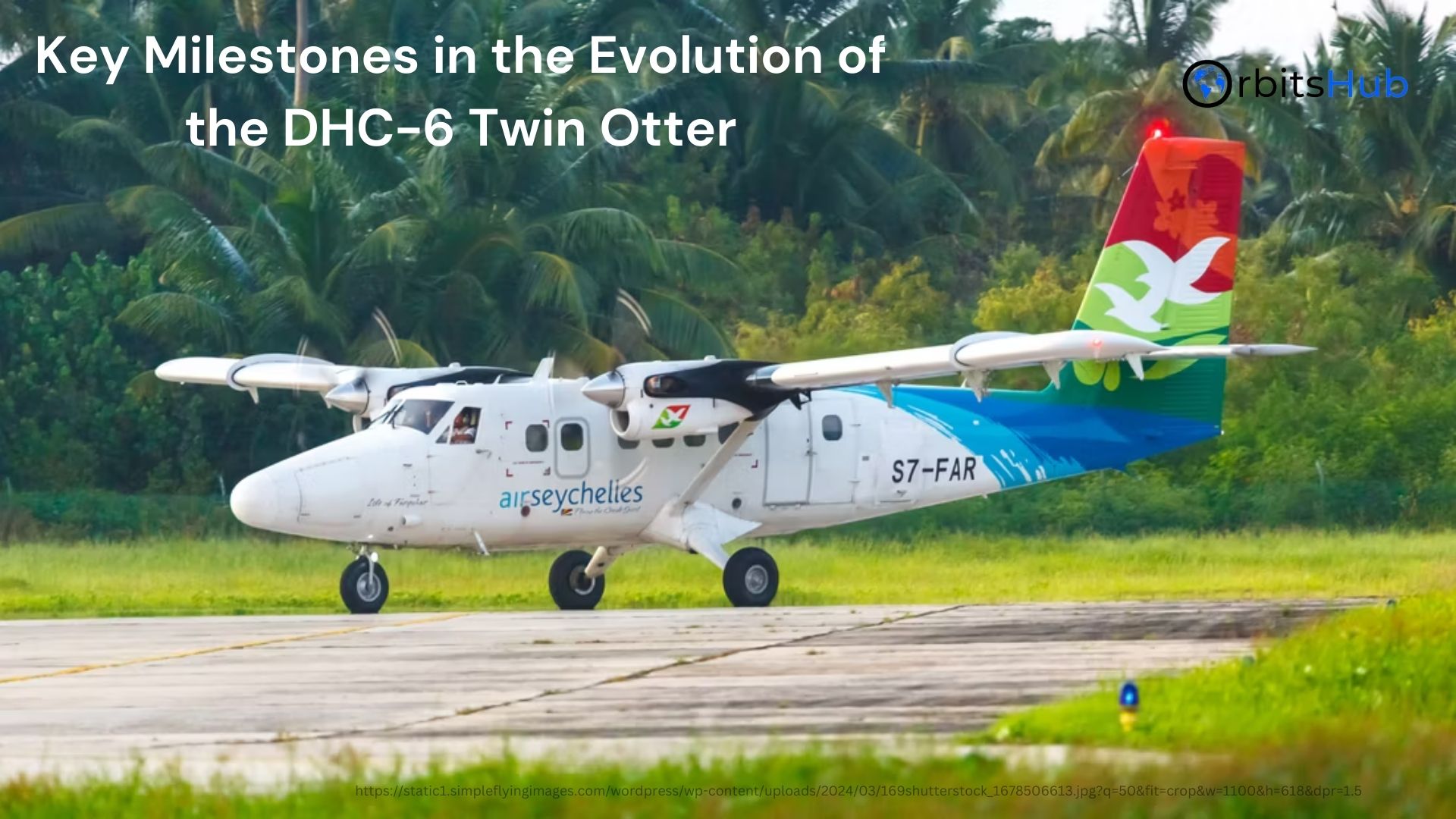
The De Havilland Canada DHC-6 Twin Otter is famous for its versatility, toughness, and ability to operate in harsh conditions. The Twin Otter has been a fixture of the aviation industry since the 1960s, especially in STOL regions. This discusses about the DHC-6 Twin Otter’s development, technological advances, and aviation effect.
Early Development and Initial Production
The Birth of the Twin Otter
The DHC-6 Twin Otter’s story began in the early 1960s when De Havilland Canada sought to create a more capable successor to their successful single-engine DHC-3 Otter. The primary goal was to design an aircraft that could provide improved performance, reliability, and flexibility. In 1965, the prototype of the DHC-6 Twin Otter took to the skies, marking the beginning of a new era in STOL aviation.
Series 100: The First Generation
The initial production model, the Series 100, was introduced in 1966. This variant featured two Pratt & Whitney PT6A-20 turboprop engines, each providing 550 shaft horsepower. The Series 100 quickly gained popularity for its ability to operate from short and unprepared airstrips, making it ideal for remote locations and rugged terrains.
Series 200: Enhanced Capabilities
Building on the success of the Series 100, De Havilland Canada introduced the Series 200 in 1968. This version included several improvements, such as increased gross weight and enhanced STOL performance. The Series 200 solidified the Twin Otter’s reputation as a reliable workhorse, capable of easily carrying up to 20 passengers or various cargo loads.
Technological Advancements and Upgrades: DHC-6 Twin Otter
Series 300: A Major Leap Forward
1969, the Series 300 was launched, marking a significant advancement in the Twin Otter’s evolution. This variant featured more powerful PT6A-27 engines, delivering 620 shaft horsepower each. The increased power allowed for improved performance, higher payload capacity, and better hot-and-high altitude operations. The Series 300 became the Twin Otter’s most popular and widely produced version.
Digital Avionics and Modernisation
As technology advanced, so did the Twin Otter. In the 1980s and 1990s, the aircraft underwent several modernisation efforts, including introducing digital avionics. These upgrades enhanced the Twin Otter’s safety, navigation, and communication capabilities, ensuring it remained competitive in the evolving aviation market.
Series 400: The Next Generation
In 2006, Viking Air, a Canadian aerospace company, acquired the type certificates for several De Havilland Canada aircraft, including the Twin Otter. Viking Air revitalised the production of the Twin Otter with the introduction of the Series 400. This modern iteration featured state-of-the-art avionics, improved aerodynamics, and advanced materials, enhancing the aircraft’s performance and efficiency.
Global Impact and Versatile Applications: DHC-6 Twin Otter
A Global Workhorse
The Twin Otter’s adaptability makes it a global workhorse. From commercial passenger transport and cargo delivery to military operations and scientific research, the Twin Otter has excelled. Many operators value its capacity to operate in severe environments including cold regions and tropical jungles.
Humanitarian and Relief Missions
One of the most commendable applications of the Twin Otter has been its role in humanitarian and relief missions. The aircraft’s STOL capabilities and robustness allow it to reach remote and disaster-stricken areas where other aircraft cannot. It has been instrumental in delivering aid, medical supplies, and personnel during emergencies, showcasing its critical role in saving lives and supporting needy communities.
Adventure and Tourism
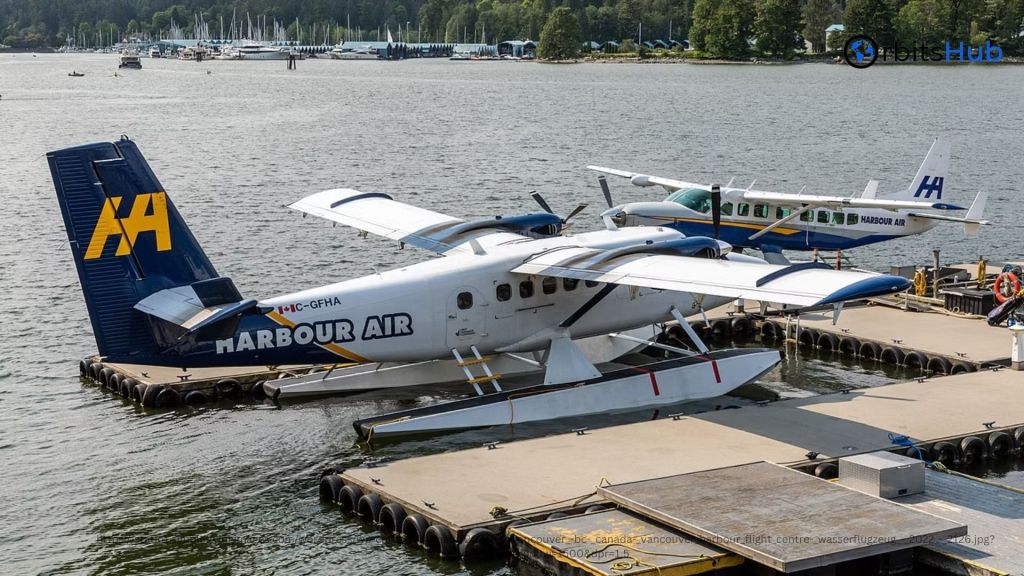
The Twin Otter’s adaptability has also made it a favourite in the adventure and tourism industry. Its ability to take off and land on short runways or water bodies makes it ideal for accessing remote and scenic locations. Operators use the Twin Otter for sightseeing tours, skydiving operations, and transport to isolated resorts, providing unforgettable experiences for adventure seekers and tourists.
Economic and Environmental Considerations
Cost-Effective Operations
The Twin Otter’s design prioritises cost-effective operations, making it an attractive choice for various operators. Its relatively low operating costs and ability to carry significant payloads contribute to its economic viability. The aircraft’s durability and ease of maintenance further enhance its cost-effectiveness, ensuring it remains a preferred choice for many aviation companies.
Environmental Impact
Aviation is often criticized for its environmental impact, although the Twin Otter’s design reduces its impact. Modern engines and lightweight materials minimize fuel consumption and pollution. Because the Twin Otter may operate in isolated places with little infrastructure, development is minimized, minimizing environmental disturbance.
The Future of the DHC-6 Twin Otter
Continuous Evolution
The DHC-6 Twin Otter’s journey is far from over. The aircraft is expected to undergo further enhancements and modernisation as technology advances. Innovations in avionics, materials, and propulsion systems will likely contribute to the Twin Otter’s continued relevance and competitiveness in the aviation market.
Expanding Applications
The future of the Twin Otter also lies in expanding its applications. Emerging markets, increased demand for regional air travel, and evolving needs in remote areas will create new opportunities for the Twin Otter. Its proven track record and adaptability position it well to meet the challenges and demands of the future.
Aviation has been forever change by the DHC-6 Twin Otter. From the 1960s to the present, the Twin Otter has shown adaptability, reliability, and resilience. Operators worldwide trust it because it adapts to different jobs and settings. The Twin Otter’s record of innovation and performance ensures that it will continue to soar, meeting new aviation problems and possibilities.
Explore the DHC-6 Twin Otter and other remarkable aircraft by visiting OrbitsHub. Be sure to check OrbitsHub, your reliable marine and aviation consultant, for the most recent news and analysis in the aviation industry.