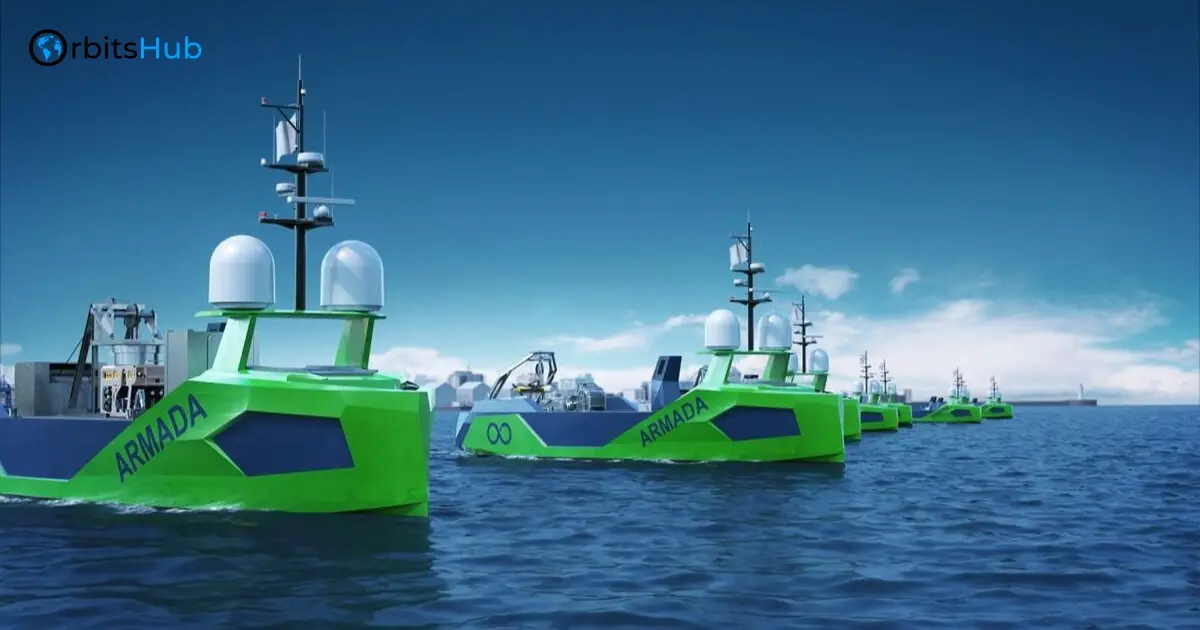
Imagine a huge ship sailing through foggy waters. The captain, Sarah Chen, looks at a screen showing a detailed 3D map of the area. This isn’t regular radar—it’s LADAR, a new technology changing how ships navigate.
What is LADAR?
LADAR stands for Laser Detection and Ranging. It’s like radar but uses laser light instead of radio waves. Dr. Hiroshi Nakamura, a marine science expert, says, “LADAR is to radar what a 4K TV is to an old black-and-white set. It’s a big leap forward!”
It helps ships see better in bad weather and avoid accidents. The International Maritime Organization found that ships with LADAR had 78% fewer close calls than those without it. That’s a lot of accidents prevented!
How LADAR Works
It shoots out millions of laser beams. These beams bounce off everything around the ship—other boats, icebergs, even small bits of trash. When the beams come back, they bring lots of information.
Captain Chen explains, “It’s like giving a ship super vision. We can see through fog, rain, and even in the dark!”
LADAR in Action
In 2022, a big oil tanker called MV Stellar Voyager was sailing through a dangerous area during a storm. Thanks to LADAR, it spotted a partly sunken shipping container that normal radar might have missed. The ship’s officer, Liam O’Brien, said, “It was like having a guardian angel on board.”
More Than Just Safety
LADAR doesn’t just make ships safer. It also helps them save fuel and protect the environment. Ships with LADAR use 12% less fuel on average. That means they release 5 million tons less CO2 each year!
Emma Greenwood, an environmental scientist, says, “It helps ships avoid areas where marine animals live. It’s making shipping less harmful to sea life.”
Helping Sailors Do Their Jobs Better
LADAR doesn’t replace human skills—it makes them better. Captain Chen says, “It gives us the information we need to make the best decisions.”
More people want to learn about LADAR, too. The Maritime Academy of Rotterdam has seen three times more students sign up for classes that teach LADAR skills.
Challenges and the Future

Putting LADAR on ships isn’t cheap. But Carlos Mendoza, who sells maritime technology, says, “It’s expensive at first, but it pays for itself over time by preventing accidents and saving fuel.”
As LADAR gets better, we might see some amazing things. Researchers are looking at ways to use LADAR data to make real-time maps of the oceans. In the future, ships might even talk to each other using LADAR, creating a network of safer seas.
Dr. Nakamura is excited about the future: “We’re not just making navigation better. We’re changing how we interact with the ocean.”
LADAR is lighting the way to a safer and cleaner future for shipping. As Captain Chen puts it, “LADAR doesn’t just show us what’s out there. It shows us what’s possible.”
LADAR’s Impact on Port Operations
LADAR isn’t just changing life at sea—it’s revolutionizing port operations too. Busy harbours are using LADAR to manage traffic more efficiently and safely.
Port manager Raj Patel explains, “With LADAR, we can guide ships into tight spots with centimetre-level accuracy. It’s like having a high-tech parking assist for massive vessels!”
This precision means ports can handle more ships in less time. The Port of Singapore, one of the busiest in the world, reported a 15% increase in efficiency after implementing LADAR-guided docking systems.
Training the Next Generation of Maritime Professionals
Changing the Curriculum
Maritime schools now blend traditional navigation with high-tech training to prepare mariners for the future.
Tech-Savvy Mariners
“We’re not just training sailors anymore,” says Professor Maria Lopez of the Global Maritime Academy.
Simulators in Training
Students use LADAR in virtual scenarios, similar to flight simulators, to handle real-world challenges effectively.
As LADAR becomes more common, maritime schools are changing how they teach. The focus is now on blending traditional navigation skills with high-tech know-how.
“We’re not just training sailors anymore,” says Professor Maria Lopez of the Global Maritime Academy. “We’re creating tech-savvy mariners who can handle both stormy seas and complex data systems.”
Simulators play a big role in this new training. Students practice using LADAR in virtual scenarios that mimic real-world challenges. It’s like a flight simulator but for ships!
LADAR and Autonomous Shipping
LADAR is a key player in the move towards autonomous ships. These are vessels that can sail themselves with little or no human input.
Tech entrepreneur Elon Musk, known for his work in self-driving cars, sees big potential here. “LADAR could do for ships what lidar did for cars,” he says. “It’s a crucial step towards fully autonomous maritime transport.”
While fully self-driving ships are still a way off, It is already enabling ships to have some autonomous features. For example, some vessels can now navigate open waters on their own, with humans taking over for more complex manoeuvres.
LADAR’s Role in Marine Research and Exploration
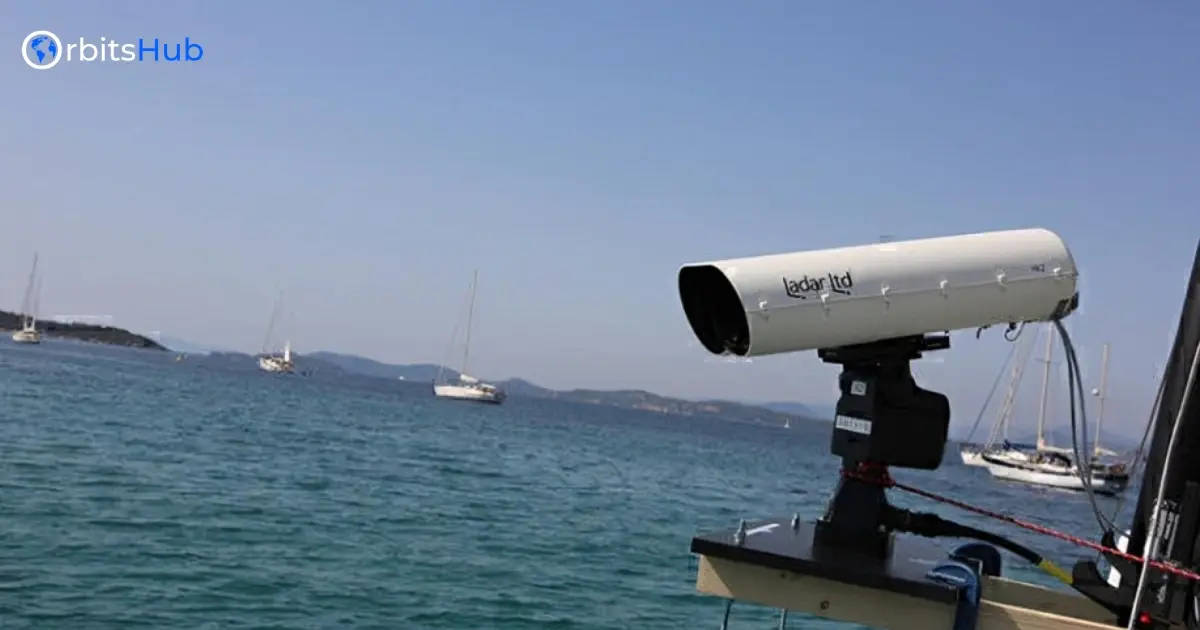
Scientists are finding exciting new uses for LADAR beyond shipping. Marine biologists are using LADAR-equipped drones to study whales without disturbing them. Archaeologists are using it to find sunken ships and lost cities beneath the waves.
Dr. Aisha Khatri, a marine archaeologist, shares her excitement: “LADAR is letting us see the ocean floor in incredible detail. We’re discovering ancient shipwrecks that have been hidden for centuries!”
Even space agencies are getting involved. NASA is testing LADAR systems that could one day help explore the oceans of distant moons like Europa and Enceladus. It’s opening up new frontiers not just on Earth but potentially across the solar system!
Frequently Asked Questions
A: LADAR uses laser light, while radar uses radio waves. It sees smaller things, works better in bad weather, and can make 3D maps
A: It costs a lot at first. But it saves money over time by preventing accidents, using less fuel, and lowering insurance costs.