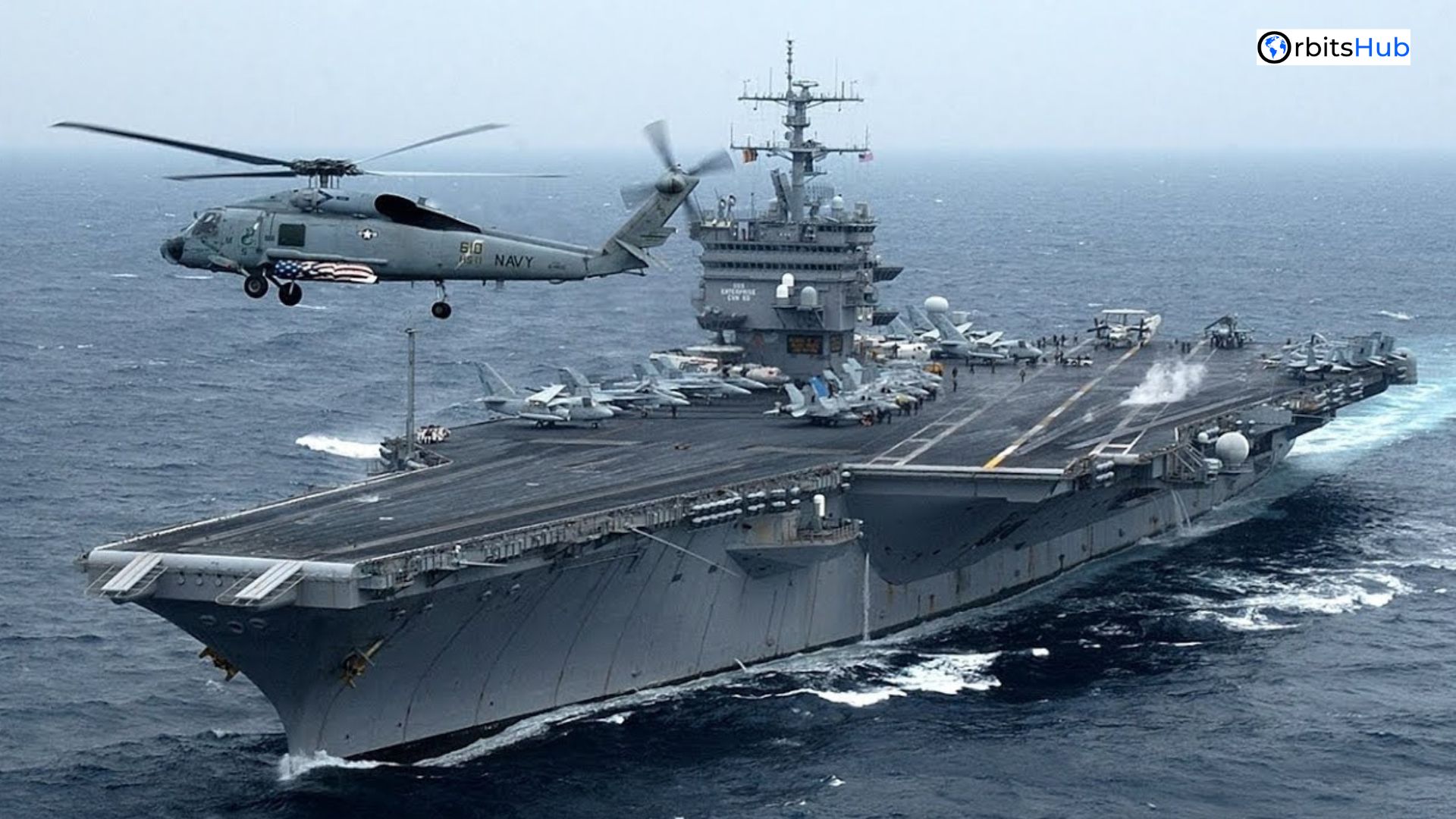
The USS Enterprise (CVN-65) is a name that resonates with naval enthusiasts and history buffs. Known as the “Big E,” this iconic aircraft carrier holds a special place in the annals of maritime history. As the world’s first nuclear-powered aircraft carrier, the USS Enterprise (CVN-65) set the standard for modern naval engineering and played a pivotal role in numerous military operations over its more than 50 years of service.
The Legacy of USS Enterprise (CVN-65)
A Groundbreaking Beginning
The USS Enterprise (CVN-65) was launched on September 24, 1960, and commissioned into service on November 25, 1961. As the first nuclear-powered aircraft carrier, it represented a significant technological leap forward for the United States Navy. The ship’s innovative design allowed for longer operational ranges and greater endurance than its conventional counterparts, making it a game-changer in naval warfare. The Big E was the eighth U.S. Navy vessel to bear the name “Enterprise,” continuing a proud tradition dating back to the American Revolutionary War.
A Storied Career
Throughout its five decades of service, the USS Enterprise (CVN-65) was involved in numerous critical military operations. From the Cuban Missile Crisis in 1962 to the Gulf War and the War on Terror, the Big E was always at the forefront of America’s naval presence. The carrier’s versatility and advanced technology made it an invaluable asset, capable of projecting power and supporting allied forces worldwide.
Key Milestones
- Cuban Missile Crisis (1962): The USS Enterprise played a crucial role in the naval blockade that helped de-escalate one of the most dangerous confrontations of the Cold War.
- Vietnam War: The carrier was actively involved in combat operations, providing air support for ground forces and conducting air strikes.
- Operation Praying Mantis (1988): The USS Enterprise was part of a U.S. naval task force that responded to Iranian mining operations in the Persian Gulf, showcasing its ability to react swiftly to threats.
- Global War on Terrorism: The carrier supported operations in Afghanistan and Iraq, launching countless sorties and providing logistical support.
Technological Advancements
The USS Enterprise (CVN-65) was a military asset and a testbed for new technologies. Over the years, the ship underwent numerous upgrades, including integrating advanced radar systems, electronic warfare capabilities, and improved aircraft launch and recovery systems. These advancements ensured that the Big E remained a formidable force throughout its service life.
Decommissioning the USS Enterprise (CVN-65)
The Process of Decommissioning
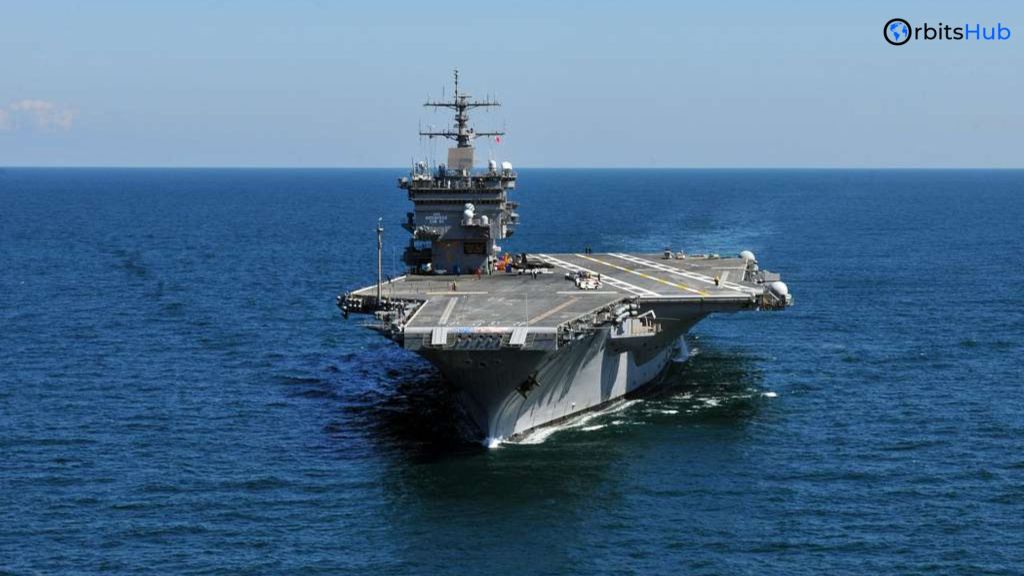
Decommissioning a nuclear-powered aircraft carrier like the USS Enterprise (CVN-65) is a complex and multi-stage. It involves several critical steps, including removing nuclear fuel, dismantling the ship’s structure, and disposing of hazardous materials. The decommissioning process began in December 2012, following the carrier’s final deployment.
- Refueling: The first step in decommissioning was removing the ship’s nuclear fuel. This task required meticulous planning and execution to ensure personnel safety and the environment.
- Deactivation: After refueling, the ship’s systems were deactivated. This phase involved shutting down all operational systems, including the reactors, propulsion systems, and electronic equipment.
- Dismantling and Recycling: The final decommission stage involves dismantling and recycling the ship’s components. This process is carried out in stages, with the boat being stripped of valuable materials like metals, while hazardous substances are carefully managed and disposed of according to environmental regulations.
Environmental Considerations
Decommissioning a nuclear-powered vessel involves stringent environmental protocols. Safely removing and disposing of nuclear fuel and other hazardous materials is paramount to preventing ecological contamination. The U.S. Navy works closely with environmental agencies to ensure that all procedures adhere to strict regulations, minimizing potential environmental impact.
The Legacy Continues
Even though the USS Enterprise (CVN-65) is no longer in active service, its legacy inspires future generations. The knowledge and experience from operating the world’s first nuclear-powered aircraft carrier have paved the way for developing newer, more advanced carriers like the Gerald R. Ford class. These next-generation carriers incorporate lessons from the Big E, ensuring that the U.S. Navy remains at the cutting edge of naval technology.
The Significance of the USS Enterprise (CVN-65)
A Symbol of American Naval Power
The USS Enterprise (CVN-65) is more than just a ship; it symbolizes American naval power and innovation. Its contributions to various military campaigns have demonstrated the United States’ commitment to maintaining a formidable maritime presence. The Big E’s ability to project global power made it a key component of U.S. military strategy for over half a century.
Cultural Impact
The USS Enterprise has also left a significant cultural impact. The ship’s name, shared with the iconic starship from the Star Trek franchise, has become synonymous with exploration and adventure. This connection has cemented the Big E’s place in popular culture, making it one of the world’s most recognized and celebrated vessels.
The USS Enterprise (CVN-65) is a testament to American ingenuity, resilience, and military prowess. Its storied career and groundbreaking technologies have left an indelible mark on naval history. As the ship decommissioned, its legacy will continue to inspire and influence future generations of maritime engineers, sailors, and enthusiasts.
The journey of the USS Enterprise (CVN-65) is a remarkable chapter in the annals of maritime history, one that exemplifies the spirit of exploration and innovation. As we bid farewell to the Big E, we celebrate its contributions and look forward to the future of naval warfare and technology.
For more insights into maritime history and technology, explore the OrbitsHub Website. At OrbitsHub, we offer expert consultancy services in marine and aviation, helping you navigate the complexities of these industries with confidence and expertise.