Imagine a ship so colossal that it dwarfs entire city blocks. A behemoth that redefines the very notion of size at sea. This is the story of the Seawise Giant, a legendary vessel that was once the world’s largest ship by deadweight tonnage. Its life, however, was far from ordinary, filled with dramatic twists and turns that continue to capture the imagination. Learn the fascinating tale of the Seawise Giant by embarking on an exciting journey with us.
A Colossal Construction: Birth of a Maritime Marvel
The story of the Seawise Giant begins in Japan in the mid-1970s. Envisioned as a supertanker capable of transporting vast quantities of crude oil, the ship’s construction was a mammoth undertaking. Here’s a glimpse into its genesis:

A Life Filled with Drama: From Supertanker to Happy Giant
Despite its impressive design and capabilities, the Seawise Giant’s life was marked by dramatic events. Here are some of the key chapters in this extraordinary story:
Beyond the Superlative: The Legacy of the Seawise Giant
The Seawise Giant’s story transcends its record-breaking size. It serves as a testament to human ingenuity in maritime engineering and a reminder of the ever-changing dynamics of the global oil industry. Here’s how this legendary ship continues to resonate:
Design and Planning:The creation of the Seawise Giant, later known as the Knock Nevis, was a monumental engineering achievement in the history of shipbuilding. Initially ordered by a Greek shipping magnate in the mid-1970s, the ship was designed to be the most significant and heaviest tanker ever constructed. The design specifications required extensive planning to ensure stability, safety, and efficiency, including integrating cutting-edge technology and materials.
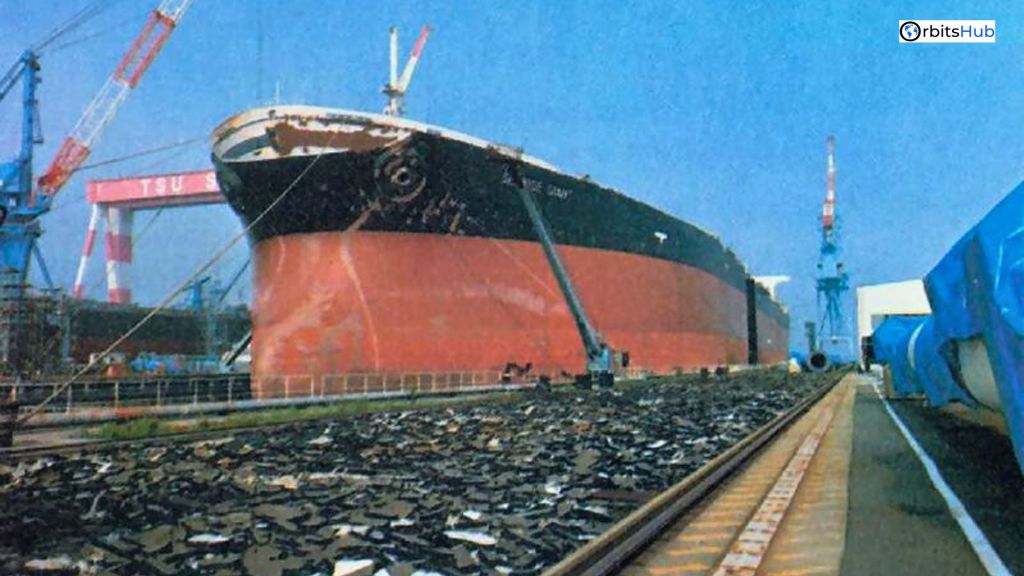
Construction Challenges: Building such an enormous vessel presented numerous challenges, particularly regarding structural integrity and weight distribution. The ship’s construction occurred at the Sumitomo Heavy Industries’ shipyard in Japan, where engineers had to innovate solutions for the project’s unique demands.
The Seawise Giant’s Voyages: The Seawise Giant’s maiden voyage began a remarkable career at sea, transporting crude oil across the world’s major shipping routes.Initially operating under the flag of Hong Kong, the vessel made frequent trips between the Middle East and the United States, as well as other major oil-importing countries.
Navigational Challenges:
- The immense size of the Seawise Giant posed unique navigational challenges, particularly in narrow and congested waterways.
- Maneuvering such a large vessel required specialized skills and equipment, including advanced navigation systems and a highly experienced crew.
- The ship’s deep draft also limited its access to specific ports, necessitating careful planning and coordination for docking and unloading.
Notable Journeys:
The Seawise Giant’s voyages included some of the most extended continuous trips made by any vessel, covering vast distances without needing to dock frequently. During its operational lifetime, the ship encountered various weather conditions, from calm seas to severe storms, testing its resilience and the crew’s expertise. The vessel’s ability to transport enormous quantities of oil was critical in global trade and energy supply chains, making it a vital asset in the shipping industry.
Transformation and Rebirth: From Wreckage to Restoration
The Incident:
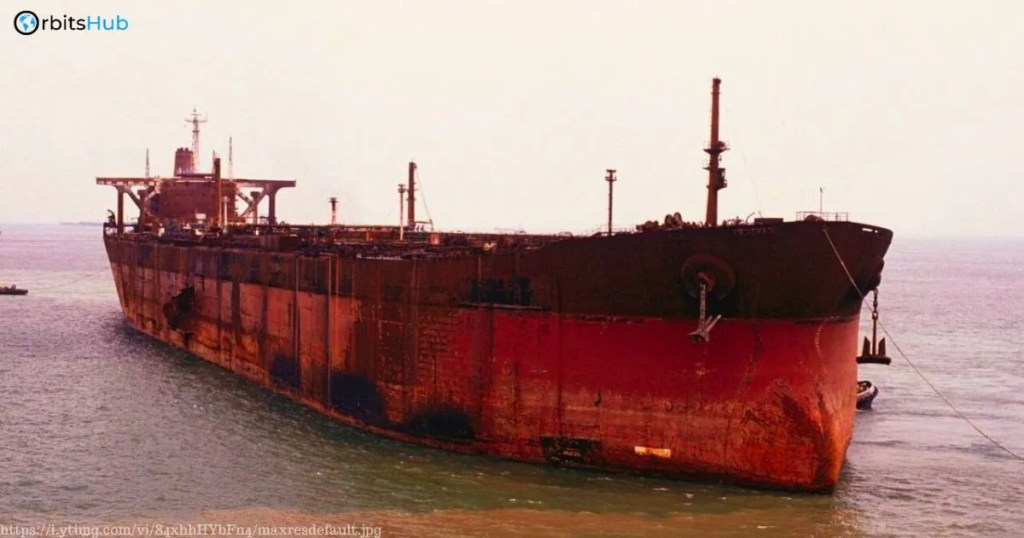
In 1988, during the Iran-Iraq War, the Seawise Giant was struck by an Exocet missile while anchored off the Iranian coast, leading to significant damage and eventual sinking.
The ship was considered a total loss because it was too big and badly damaged for salvage efforts to succeed.
Salvage and Repair:
Despite the initial assessment, a decision was made to salvage the vessel, which involved extensive planning and resource allocation.
The ship was refloated and towed to the Keppel Shipyard in Singapore, undergoing comprehensive restoration and reconstruction.
The restoration included replacing large hull sections, installing new machinery, and upgrading the ship’s systems to modern standards.
Rebirth as the Knock Nevis:
Upon completion of the restoration, the ship was renamed Knock Nevis and returned to service, now with even greater capacity and updated technology.
The transformation from a damaged wreck to a fully operational supertanker was a testament to human ingenuity and the advancements in shipbuilding and repair techniques.
The Knock Nevis operated for several years, transporting oil and other cargo until it was eventually retired and scrapped.
Influence on Modern Shipping: The Seawise Giant’s Enduring Impact
Technological Innovations:
The Seawise Giant’s construction and operation showcased the potential for building and managing massive vessels, setting new standards in the industry.
Innovations in shipbuilding techniques, such as advanced welding methods and materials, were inspired by the challenges faced during the ship’s construction.
The vessel’s design influenced future tanker designs, particularly in optimizing cargo capacity and fuel efficiency.
Economic and Strategic Importance:
As an integral part of the supply network for important oil-importing nations, the Seawise Giant was pivotal in the worldwide oil trade.
The ship’s ability to transport large quantities of oil helped stabilize markets and provided strategic advantages in geopolitical tension.
Its operational history demonstrated the economic benefits of supertankers, influencing shipping companies to invest in larger, more efficient vessels.
Documentaries, articles, and Giant’s depictions of the ship’s sinking and subsequent restoration have solidified its position in maritime history’s canon. They will undoubtedly inspire engineers, shipbuilders, and naval enthusiasts of the future by highlighting the rewards and perils of being at the cutting edge of technological advancement.
A Maritime Marvel and a Legacy: Seawise Giant Ship
Though no longer sailing the seas, the Seawise Giant remains a captivating chapter in maritime history. Its story is a powerful reminder of human ambition, engineering prowess, and the ever-evolving relationship between humanity and the ocean.
Innovative Ship Bow Designs: What Set the Seawise Giant Apart
The Seawise Giant, renowned for its unprecedented size and cargo capacity, revolutionized ship bow design. Its massive and unique bow was critical in its record-breaking performance and operational efficiency.
- Size and Shape: The bow of the Seawise Giant was designed with a significantly broader and rounded profile compared to its contemporaries. This design minimized drag and enhanced stability, allowing the vessel to handle heavy loads more efficiently.
- Structural Reinforcements: The Seawise Giant’s bow was equipped with advanced structural reinforcements to withstand the immense pressures exerted during ocean travel. This ensured the ship could endure extreme weather conditions without compromising its integrity.
- Hydrodynamic Efficiency: The bow’s design focused on optimizing hydrodynamic performance, reducing resistance, and improving fuel efficiency. This was crucial for a vessel of such massive proportions, impacting overall operational costs.
Analyzing the Structural Strength of the Seawise Giant’s Bow Design
The Seawise Giant’s bow design was innovative and a testament to engineering prowess. Its structural strength was meticulously engineered to ensure durability and performance under extreme maritime conditions.
- Reinforced Hull Construction: The bow featured reinforced hull construction to handle the stresses of heavy cargo and turbulent waters. This included thicker steel plates and bracing to provide extra strength where needed most.
- Stress Distribution: The design distributed stress more evenly across the ship’s hull, reducing the risk of structural failures. This was achieved through careful calculations and sophisticated design techniques that allowed the vessel to endure high-impact forces.
- Impact Resistance: The Seawise Giant’s bow was designed to absorb and dissipate the energy from collisions or heavy sea impacts, protecting the vessel’s vital components and extending its operational lifespan.
Ship Bow Design Evolution: How the Seawise Giant Influenced Modern Maritime Engineering
The introduction of the Seawise Giant marked a significant turning point in ship bow design, influencing modern maritime engineering practices and shaping the design of subsequent vessels.
- Benchmark for Size and Capacity: The Seawise Giant set a new benchmark for ship size and cargo capacity, leading to advancements in bow design to accommodate similar scales in future vessels.
- Innovations in Bow Design: Engineers and designers adopted features from the Seawise Giant’s bow, such as its hydrodynamic shape and structural reinforcements, in newer ships. These innovations have since become standard in large cargo vessels.
- Advancements in Materials and Techniques: The challenges faced by the Seawise Giant prompted advancements in materials and construction techniques, leading to stronger, lighter, and more efficient bow designs in modern shipping.
The Role of Bow Design in the Seawise Giant’s Record-Breaking Performance
The bow design of the Seawise Giant was a critical factor in its record-breaking performance, influencing its speed, stability, and overall operational efficiency.
- Enhanced Stability: The broad and rounded bow enhanced stability in rough seas, reducing the ship’s rolling and pitching. This stability was crucial for maintaining a steady course and protecting the cargo.
- Improved Maneuverability: The innovative bow design improved the vessel’s maneuverability, allowing it to navigate challenging conditions more precisely. This was particularly important for large ships like the Seawise Giant.
- Efficiency in High-Speed Travel: The bow’s hydrodynamic shape minimized resistance and drag, contributing to higher speeds and improved fuel efficiency. This was essential for achieving record-breaking travel times and operational cost-effectiveness.
Comparing Bow Designs: The Seawise Giant Versus Contemporary Super Tankers
Comparing the Seawise Giant’s bow design with contemporary super tankers reveals significant advancements and differences in shipbuilding practices and technologies.
- Design Evolution: Modern supertankers have adopted and refined the design principles introduced by the Seawise Giant, incorporating more advanced hydrodynamic shapes and materials for improved performance.
- Technological Advancements: Contemporary ships benefit from computational modeling and materials science advancements, resulting in more efficient and durable bow designs than the Seawise Giant.
- Environmental Considerations: Modern supertankers often feature bow designs optimized for ecological considerations, such as reducing emissions and minimizing environmental impact, reflecting the evolving priorities in maritime engineering.
The Engineering Challenges Behind the Seawise Giant’s Bow Design
The Seawise Giant’s bow design posed unique engineering challenges due to its unprecedented size and the need to balance structural integrity with operational efficiency.
- Load Distribution and Stress Management: One of the primary challenges was ensuring that the enormous bow could handle the immense loads and stresses associated with its size. Engineers had to carefully design the load distribution system to prevent structural failures under heavy cargo and harsh maritime conditions.
- Hydrodynamic Optimization: Designing a bow that effectively minimized drag and resistance was crucial. Engineers faced the challenge of creating a shape that would enhance hydrodynamic performance while maintaining stability and preventing excessive fuel consumption.
- Material Strength and Durability: The construction materials used for the Seawise Giant’s bow had to be exceptionally strong and durable. The challenge was selecting materials that could withstand severe ocean conditions and the impact of high waves while being cost-effective and manageable within the ship’s design constraints.
- Technological Innovations: To address these challenges, engineers had to employ advanced computational techniques and innovative design solutions. This included using sophisticated modeling tools to predict the bow’s performance and incorporating new construction technologies to ensure reliability and safety.
Are you looking to delve deeper into the fascinating world of maritime engineering and explore the latest ship design and operation advancements? OrbitsHub, a leading marine and aviation consultancy, can be your trusted partner. Our team of experts knows a lot about the maritime business and can give you helpful information about building ships, following the rules, and using environmentally friendly naval practices. Whether you’re a maritime professional, a student with a passion for the sea, or simply someone intrigued by the marvels of modern naval technology, OrbitsHub can empower you with the knowledge and expertise you need.
Related FAQs
Is the Seawise Giant the biggest ship?
The largest ship ever built was the Seawise Giant (also known as the Knock Nevis). It measured 458 m long and 70 m wide (SF Fig. 8.5) and was used as an oil tanker from 1979–2010. The Mærsk Mc-Kinney Møller is an extremely large container ship still in operation.
Is Seawise Giant bigger than Titanic?
Seawise Giant was 1,504 feet in length compared to the length of the Titanic, which was 882 feet. To make it easier to understand how the origins of these two ships differ, we will take a look at each in isolation.