Port Victoria: The Maritime Heartbeat of Seychelles
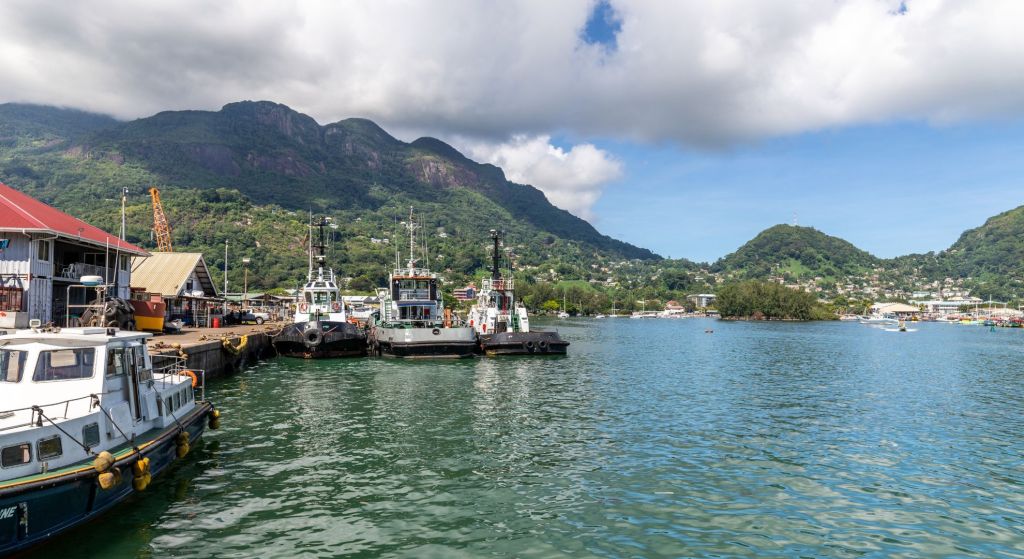
As the capital and largest city of Seychelles, Victoria is home to the country’s primary port – Port Victoria. Situated on the northeast coast of Mahé, the main island, Port Victoria, serves as the lifeline of Seychelles’ maritime trade and transportation network. With its strategic location along major shipping routes, Port Victoria plays a pivotal role in facilitating the import and export of goods, including vital commodities such as fuel, food, and construction materials.
Infrastructure:
Berthing Facilities: Port Victoria boasts modern berthing facilities capable of accommodating various vessel types, from container ships to cruise liners.
Cargo Handling: Modern cargo handling equipment, such as cranes and forklifts, is available at the port to facilitate smooth loading and unloading processes.
Passenger Terminals: In addition to its cargo-handling capabilities, Port Victoria features passenger terminals that cater to both domestic and international travellers, fostering tourism and maritime connectivity.
Significance:
Economic Hub: Port Victoria serves as a vital economic hub, facilitating the movement of goods and commodities essential for Seychelles’ economy, including tourism, fisheries, and manufacturing sectors.
Trade Gateway: The port serves as Seychelles’ primary gateway for international trade, connecting the archipelago to global markets and facilitating the importation of goods and exportation of local products.
Cruise Tourism: Port Victoria plays a crucial role in Seychelles’ burgeoning cruise tourism industry, welcoming thousands of tourists annually and contributing to the country’s tourism revenue.
Port of Praslin: Gateway to Tranquil Beauty
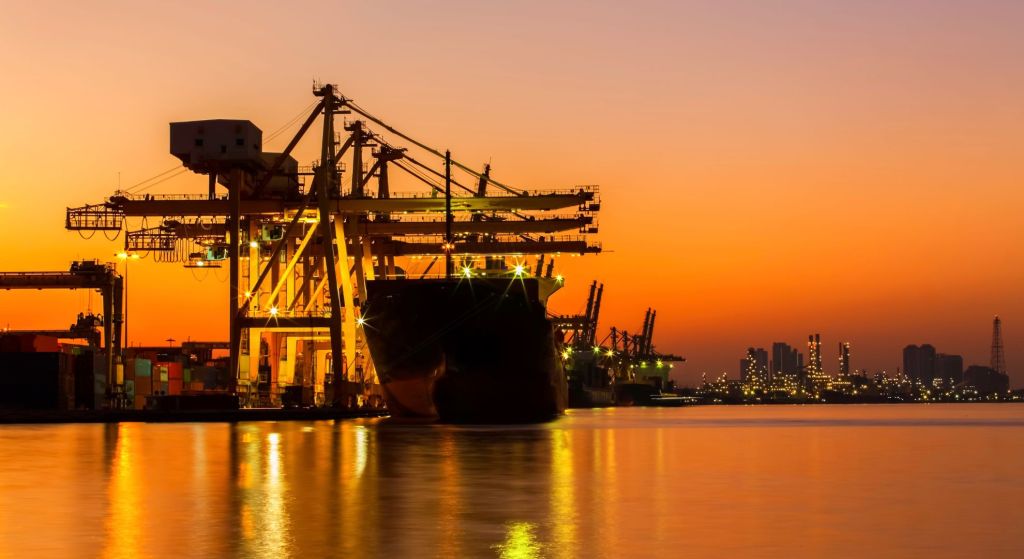
Located on the idyllic island of Praslin, the Port of Praslin serves as a key maritime gateway to Seychelles’ inner islands. Praslin, renowned for its stunning beaches and lush tropical forests, attracts tourists seeking a tranquil escape from the bustling city life of Victoria. The Port of Praslin plays a vital role in supporting the island’s tourism industry, facilitating the arrival of visitors and the transportation of goods and supplies.
Infrastructure:
Berthing Facilities: The Port of Praslin features berthing facilities capable of accommodating cargo vessels, ferries, and passenger ships, catering to the diverse maritime needs of the island.
Cargo Handling: Similar to Port Victoria, the port is equipped with cargo-handling equipment to facilitate the efficient movement of goods between Praslin and other islands.
Ferry Services: The port serves as a hub for ferry services connecting Praslin to neighbouring islands, including Mahé and La Digue, providing essential transportation links for residents and tourists alike.
Significance:
Tourism Gateway: The Port of Praslin serves as a vital gateway for tourism, facilitating the arrival of visitors to the island and supporting its hospitality industry, which includes hotels, resorts, and eco-tourism ventures.
Inter-Island Connectivity: The port plays a crucial role in enhancing inter-island connectivity within Seychelles, providing reliable ferry services that link Praslin to other inhabited islands and fostering social and economic integration.
Economic Development: By facilitating the transportation of goods and supplies, the Port of Praslin contributes to the island’s economic development, supporting local businesses and livelihoods.
Port of La Digue: Preserving Authentic Island Charm

Nestled on the tranquil island of La Digue, the Port of La Digue embodies the authentic charm and serenity of Seychelles’ outer islands. Unlike the bustling ports of Victoria and Praslin, La Digue’s port exudes a laid-back atmosphere, reflecting the island’s slower pace of life and pristine natural beauty. Despite its smaller size, the Port of La Digue plays a crucial role in supporting the island’s tourism industry and local economy.
Infrastructure:
Berthing Facilities: While smaller in scale compared to larger ports, the Port of La Digue features berthing facilities suitable for ferry services and smaller vessels, catering to the island’s maritime needs.
Passenger Services: The port provides passenger services, including ferry connections to neighbouring islands, enabling tourists to explore La Digue’s attractions, such as its iconic beaches and granite rock formations.
Cargo Handling: Although primarily focused on passenger traffic, the port also facilitates the transportation of essential goods and supplies to support the island’s residents and businesses.
Significance:
Tourism Hub: The Port of La Digue serves as a vital gateway for tourism, welcoming visitors to the island and providing essential transportation links for exploring its natural wonders, including Anse Source d’Argent and L’Union Estate.
Cultural Heritage: As one of Seychelles’ outer islands, La Digue retains much of its traditional Creole charm and cultural heritage. The port area reflects this authenticity, offering visitors a glimpse into the island’s rich history and way of life.
Sustainable Tourism: The Port of La Digue embodies Seychelles’ commitment to sustainable tourism development, with initiatives aimed at preserving the island’s natural environment and minimizing the impact of tourism activities on local ecosystems.
Conclusion:
The major ports of Seychelles – Port Victoria, the Port of Praslin, and the Port of La Digue – play integral roles in the archipelago’s maritime industry and economic development. From facilitating international trade and commerce to supporting tourism and inter-island connectivity, these ports serve as vital lifelines connecting Seychelles to the world. As Seychelles continues to chart its course in the global maritime arena, these ports will remain instrumental in shaping the nation’s future prosperity and sustainability.