
Historical Perspective
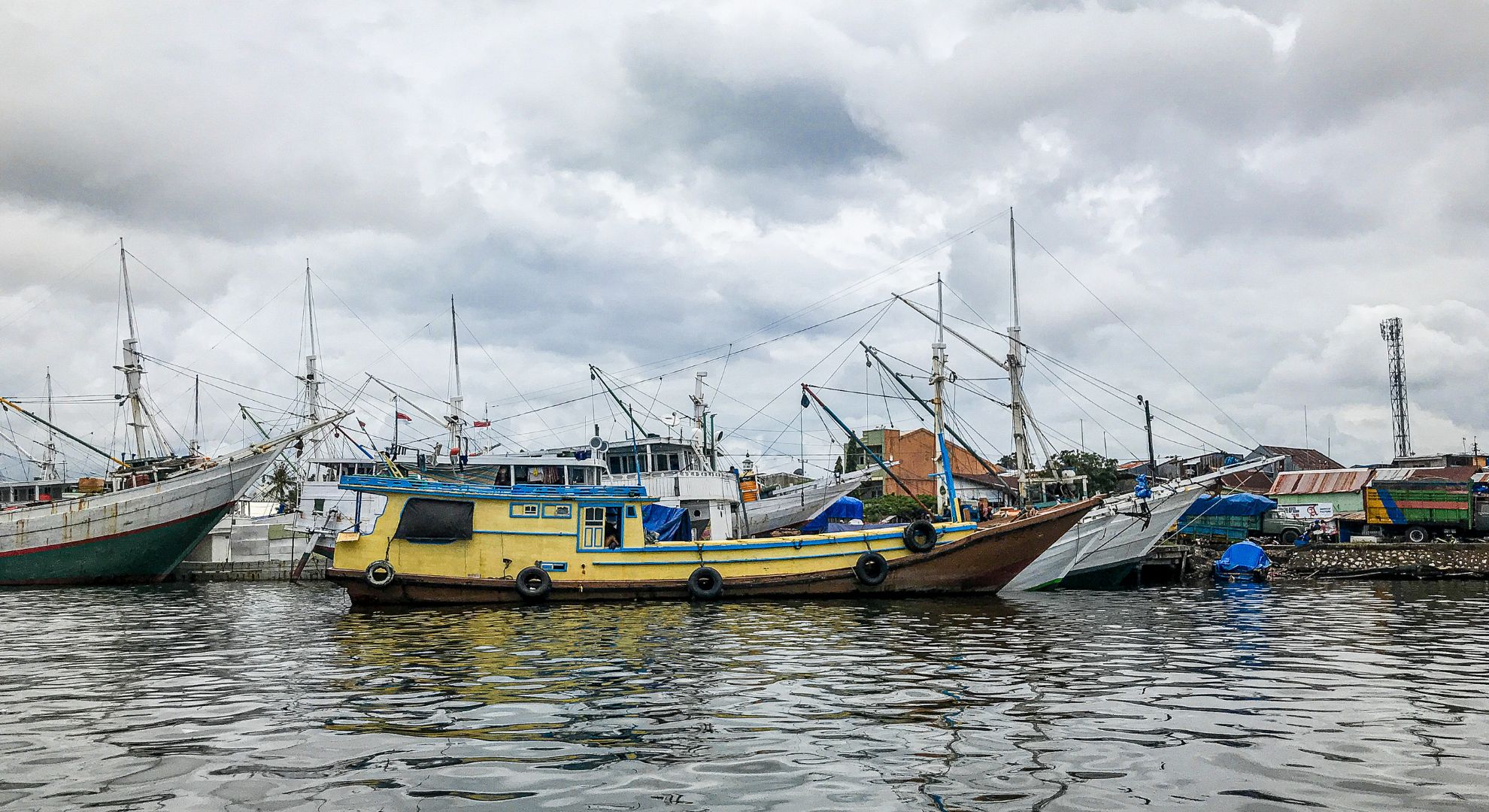
Makassar’s maritime prominence dates back to the era of the powerful Gowa Sultanate, which controlled much of Sulawesi during the 16th and 17th centuries. The city served as a pivotal trading hub, linking the spice-rich islands of Indonesia with merchants from across Asia and beyond. Makassar’s strategic location facilitated the exchange of cloves, nutmeg, and pepper, attracting traders from China, India, Arabia, and Europe.
During the colonial period, Makassar Port flourished under Dutch rule, further bolstering its role in the global trade network. The Dutch East India Company (VOC) set up a large base in Makassar and used the port to bring goods into and send them to the colony. This era of maritime trade left an indelible mark on Makassar’s urban fabric, as evidenced by the historic warehouses, forts, and trading posts that still dot the cityscape.
Contemporary Significance:
Today, Makassar Port remains a vital artery of Indonesia’s maritime economy, serving as a gateway to the eastern archipelago and beyond. As the largest port in the east of Indonesia, it is crucial in facilitating trade, transportation, and logistics activities for the region. Makassar Port handles various cargo, including agricultural products, minerals, petroleum, and manufactured goods, catering to domestic and international markets.
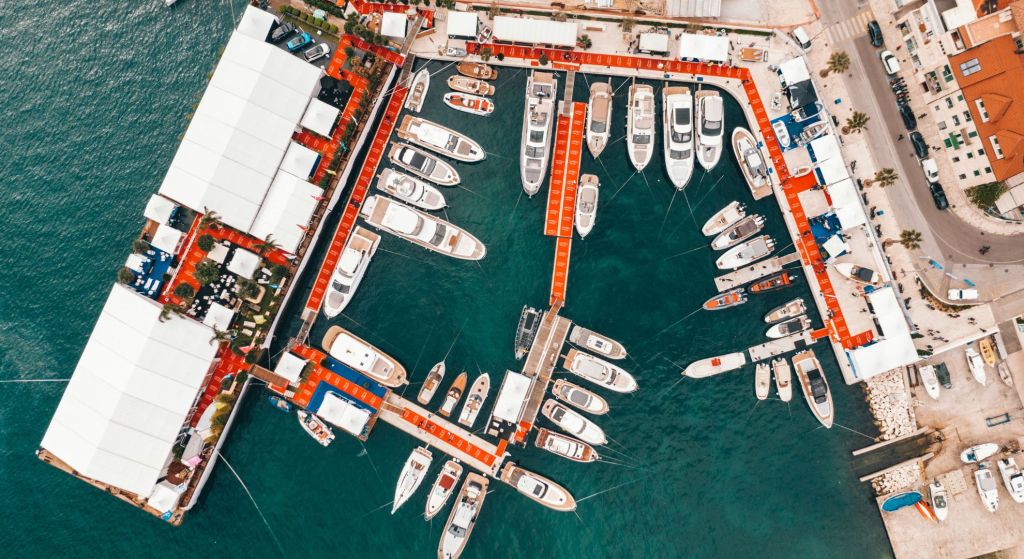
Furthermore, Makassar Port is a crucial hub for passenger transportation, connecting Sulawesi with neighboring islands through ferry services. This connectivity facilitates tourism and travel and strengthens social and cultural ties among diverse communities across the Indonesian archipelago.
Strategic Importance
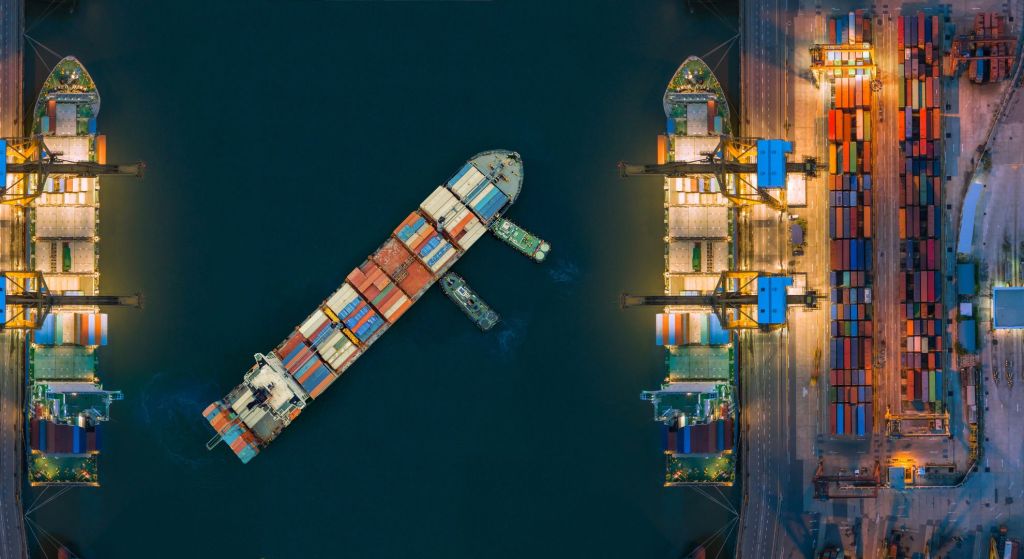
The strategic significance of Makassar Port extends beyond its economic function, encompassing geopolitical, security, and environmental dimensions. In terms of geopolitics, the port’s location makes Indonesia a maritime crossroads between the Indian and Pacific Oceans. This has effects on trade patterns in the area and competition in geopolitics.
Regarding security, Makassar Port is crucial in safeguarding Indonesia’s maritime borders and defending against transnational threats such as piracy, illegal fishing, and naval smuggling. The Indonesian government has implemented various initiatives to enhance maritime security capabilities, including deploying patrol vessels, surveillance systems, and port security measures.
Moreover, given its proximity to fragile marine ecosystems and vulnerable coastal communities, Makassar Port’s environmental sustainability is paramount. Efforts to mitigate pollution, prevent environmental degradation, and promote sustainable shipping practices are essential to safeguarding the ecological integrity of the port and its surrounding waters.
Future Prospects
Makassar Port is about to grow and develop even more to keep up with the needs of world trade and maritime transportation. The Indonesian government has outlined ambitious plans to modernize port infrastructure, enhance operational efficiency, and attract private investment in port facilities and services.
Additionally, initiatives such as the Maritime Silk Road and the ASEAN Single Window aim to enhance regional connectivity and streamline trade procedures, further bolstering Makassar Port’s role as a pivotal node in the maritime network of Southeast Asia.
Makassar Port is a testament to Indonesia’s maritime heritage, economic resilience, and strategic vision. From its storied past as a center of trade and cultural exchange to its present-day role as a dynamic hub of commerce and connectivity, Makassar Port continues to shape the destiny of Sulawesi and the more expansive Indonesian archipelago. As we navigate the currents of globalization and chart a course for the future, the significance of Makassar Port as a beacon of maritime progress and prosperity remains undiminished.
Cultural Heritage Preservation
Makassar’s maritime legacy is reflected not only in its economic activities but also in its rich cultural heritage. The city’s historical sites, such as the old warehouses, forts, and trading posts, hold significant cultural value and serve as reminders of its past as a bustling trade hub. Preserving and promoting these heritage sites fosters a sense of pride among locals and attracts tourists interested in the region’s maritime history, contributing to cultural exchange and economic growth.
Sustainable Development Initiatives
As Makassar Port continues to expand and modernize, there is a growing emphasis on sustainable development initiatives. This effort includes Greener port operations, less carbon emissions, and more support for renewable energy sources. For the port and its ecosystems to survive in the long run, it is essential to implement waste management programs and marine conservation measures, among other initiatives, to reduce environmental damage. Embracing sustainable development practices benefits the environment and enhances the port’s reputation as a responsible global maritime player.