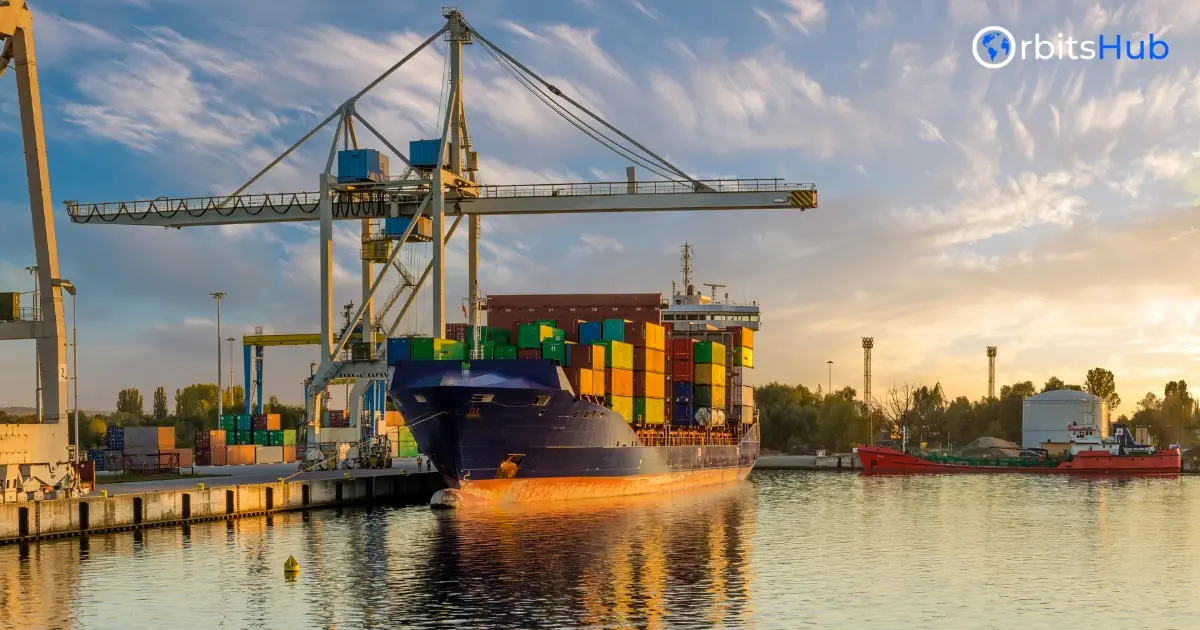
In the vast expanse of our world’s oceans, a silent force drives the engine of global commerce. The merchant navy ship, a titan of the seas, plays an indispensable role in the intricate web of international trade. These floating behemoths, laden with cargo from distant shores, are the unsung heroes of our globalized economy, connecting continents and cultures through the ancient art of maritime trade.
The Lifeline of the Global Economy
The international shipping industry, powered by merchant navy ships, is the lifeblood of the global economy. These vessels are responsible for the carriage of an astounding 90% of world trade. The modern world would only halt with the steady flow of merchant ships traversing our oceans. The bulk transport of raw materials, the import and export of affordable food, and the movement of manufactured goods across continents would cease to exist.
There are various types of merchant navy ships, each designed to carry specific cargo.
| Type of Ship | Purpose |
|---|---|
| Container Ships | Transport goods in standardized containers, revolutionizing global trade. |
| Bulk Carriers | Carry unpackaged bulk cargo, such as grains, coal, ore, and cement. |
| Oil Tankers | Specialized for transporting crude oil and petroleum products. |
| Chemical Tankers | Transport chemicals in large quantities. |
| LNG Carriers | Specifically designed for the transportation of liquefied natural gas. |
| Ro-Ro Ships | “Roll-on/roll-off” vessels designed for transporting wheeled cargo such as cars and trucks. |
As of January 1, 2023, the world’s merchant fleet comprised approximately 60,000 ships. At 18,400 vessels, Ro-Ro/general cargo ships accounted for nearly 31% of the global merchant fleet.
The Scale of Seaborne Trade
The sheer scale of seaborne trade is mind-boggling. Seaborne trade continues to expand, benefiting consumers worldwide through competitive freight costs. The industry’s future growth is promising due to the growing efficiency of shipping as a mode of transport and increased economic liberalization.
Let’s dive into some statistics that highlight the magnitude of this global phenomenon:
Global Merchant Ship Industry Statistics
- Over 50,000 merchant ships trade internationally, transporting every kind of cargo imaginable.
- Over 150 nations register the world fleet.
- Nearly 2 million seafarers man these floating giants.
- The operation of merchant ships generates an estimated annual income of over half a trillion dollars in freight rates.
The global seafarer workforce
Behind every merchant navy ship is a crew of skilled professionals who ensure these vessels’ safe and efficient operation. An estimated 1,892,720 seafarers worldwide, including 857,540 officers and 1,035,180 ratings, serve on internationally trading merchant ships.
The top suppliers of ratings and officers working on merchant ships are:
- The Philippines
- The Russian Federation
- Indonesia
- China
- India
These countries have developed robust maritime education and training systems to meet the growing demand for skilled seafarers.
The Future of Merchant Shipping
As we look to the horizon, the future of merchant shipping appears both promising and challenging. We expect an increased demand for seafarers due to the forecast growth in the world merchant fleet over the next ten years. However, this trend will outpace the global supply of officers, potentially leading to a shortage.
The industry and relevant stakeholders are focusing on the following areas to address this potential shortfall:
- Promoting careers at sea
- Enhancing maritime education and training worldwide
- Addressing the retention of seafarers
These efforts are crucial to ensuring a steady supply of qualified and competent seafarers to operate the growing fleet of merchant navy ships.
Technological advancements in merchant navy ships
Today’s merchant navy ship is significantly different from its predecessors. Modern vessels are technically sophisticated, high-value assets. Larger hi-tech vessels can cost over US $200 million to build, showcasing the level of investment and technology that goes into these maritime marvels.
Modern merchant navy ships incorporate various technological advancements.
- Automated navigation systems
- Advanced weather routing software
- Fuel-efficient engines
- Ballast water treatment systems to prevent the spread of invasive species
- Digital twin technology for predictive maintenance
These innovations not only improve the efficiency and safety of merchant navy ships but also contribute to reducing their environmental impact.
The environmental impact and sustainability efforts

While merchant navy ships are crucial for global trade, the shipping industry is also aware of its environmental responsibilities. The shipping industry is making efforts to decrease the carbon footprint of these vessels and enhance shipping’s sustainability.
Some key initiatives include:
- The use of cleaner fuels, such as liquefied natural gas (LNG),
- We are installing scrubbers to reduce sulfur emissions.
- We are exploring alternative propulsion methods, such as wind-assisted propulsion and hydrogen fuel cells.
- Improved hull designs for better fuel efficiency
- Researchers are developing autonomous ships to optimize routes and reduce fuel consumption.
The International Maritime Organization’s (IMO) has set ambitious targets to reduce greenhouse gas emissions from international shipping by at least 50% by 2050, compared to 2008.
The Role of Merchant Navy Ships in Global Supply Chains
Merchant navy ships are the backbone of global supply chains, ensuring the smooth flow of goods worldwide. They play a crucial role in:
- Just-in-time manufacturing: Delivering components and raw materials precisely when needed
- Global food security involves the transportation of grains, fruits, and other food items across continents.
- The energy supply involves transporting oil, gas, and coal to power the world’s economies.
- Retail supply is the process of transporting consumer goods from production centers to markets worldwide.
The COVID-19 pandemic highlighted the critical importance of merchant navy ships in maintaining global supply chains. Despite challenges such as port closures and crew change difficulties, these vessels continued to operate, ensuring the flow of essential goods, including medical supplies and equipment.
The Human Element: Life Aboard a Merchant Navy Ship
While we often focus on the cargo and the economic impact of merchant navy ships, it’s crucial to remember the human element. Life aboard these vessels is a unique experience filled with challenges and rewards.
Seafarers spend months away from their families, navigating through storms, dealing with the isolation of long voyages, and working in a high-stress environment. Yet, they also experience the thrill of visiting far-off ports, the camaraderie of a close-knit crew, and the satisfaction of playing a vital role in global trade.
Modern merchant navy ships provide the following amenities to improve life at sea:
- Fitness centers and recreational areas
- You can use internet connectivity to communicate with your loved ones.
- Well-equipped galleys serving diverse cuisines
- Medical facilities for emergencies
Despite these improvements, the life of a seafarer remains challenging, and efforts are ongoing to improve working conditions and mental health support for these essential workers.
The merchant navy ships have an economic impact.
The economic impact of merchant navy ships extends far beyond the value of their cargo. These vessels significantly contribute to the global economy through various means.
Economic Impact of Merchant Navy Ships
From seafarers to port workers, shipbuilders to logistics professionals
Port fees, taxes, and ancillary services generate revenue
Enabling countries to specialize in their areas of comparative advantage
Giving emerging economies access to global markets
Merchant navy ships are at the center of the maritime industry’s estimated annual contribution of over $3 trillion to the global economy.
Challenges facing the Merchant Navy Ship Industry
Despite its crucial role, the merchant navy ship industry faces several challenges:
- Piracy: While incidents have decreased in recent years, pirate activity remains a concern in certain regions.
- Geopolitical tensions: Trade disputes and regional conflicts can disrupt shipping routes.
- Regulatory compliance: Keeping up with evolving international maritime regulations
- Crew shortages: Attracting and retaining skilled seafarers in a competitive job market
- Cybersecurity: Protecting increasingly digitalized ships from cyber threats.
Addressing these challenges requires cooperation between shipping companies, international organizations, and governments to ensure the continued smooth operation of global maritime trade.
The Future of Merchant Navy Ships
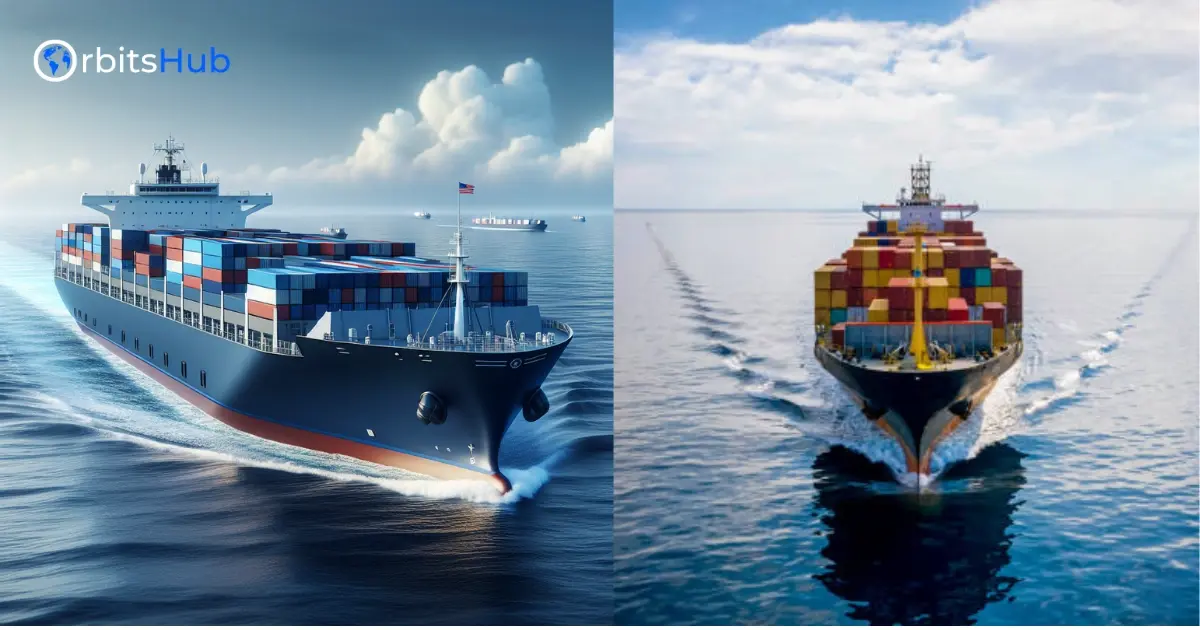
The future will see a change in the role of merchant navy ships in global trade. Emerging trends include:
- The purpose of increasing vessel size is to achieve economies of scale and reduce per-unit shipping costs.
- Innovative ships: Leveraging AI and IoT for optimized performance and predictive maintenance
- Green shipping: focus on zero-emission vessels and sustainable practices
- Arctic shipping routes: Climate change could potentially open up new trade lanes.
- Autonomous vessels: The gradual introduction of uncrewed ships for specific routes
These developments promise to make merchant navy ships even more efficient, sustainable, and integral to global commerce in the coming decades.
Frequently Asked Questions
The type of vessel and its level of maintenance determine the average lifespan of a merchant navy ship. Generally, most merchant ships have a lifespan of 20–30 years. Though well-maintained and operated in less demanding conditions, some ships can last 40 years or more. Factors such as the ship’s construction quality, the regularity of maintenance, and the type of cargo it carries can all influence its operational life.
The time it takes to build a merchant navy ship can vary significantly based on size and complexity. On average, constructing a standard cargo ship or tanker can take 6 months to 2 years. However, for larger or more specialized vessels, such as advanced container ships or LNG carriers, the build time can extend to 2-3 years or even longer. This timeframe includes everything from the initial design phase to the final sea trials before the ship is delivered to its owner.