Introduction
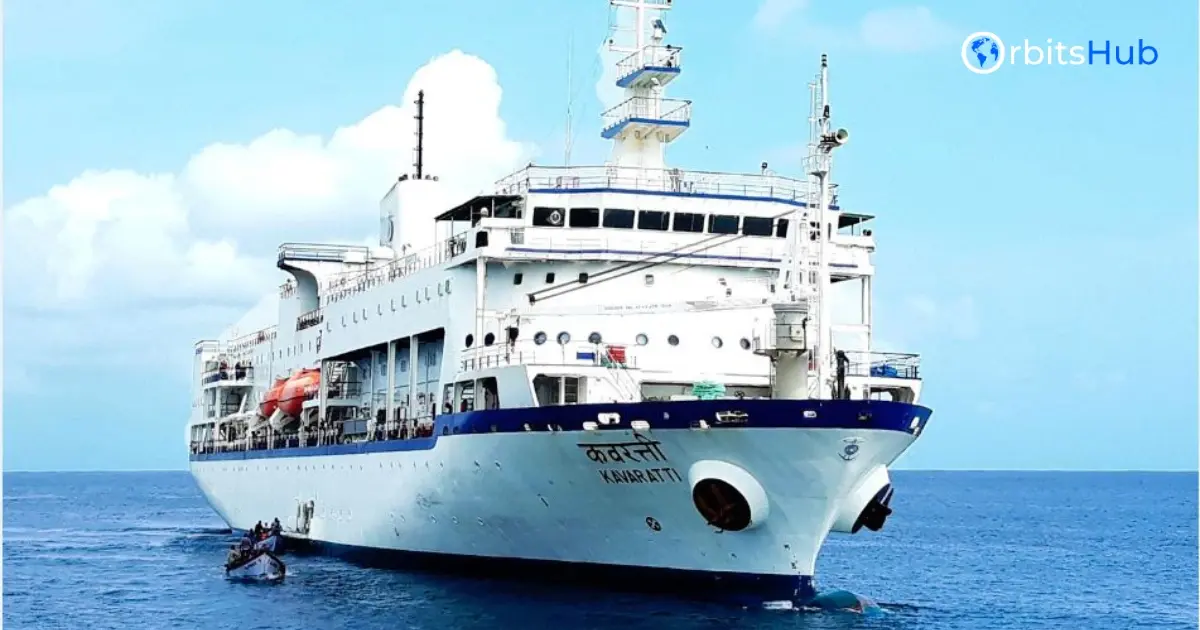
The MV Kavaratti, the pride of the Lakshadweep Islands, boasts a state-of-the-art propulsion system that exemplifies modern marine engineering. At the heart of this passenger-cargo vessel lies a powerhouse that drives the ship through the Arabian Sea and sets new standards in efficiency and reliability.
Engine Specifications
Two 16-cylinder Wärtsilä engines, each a marvel of engineering, power the MV Kavaratti.
| Specification | Details |
|---|---|
| Model | Wärtsilä 16V32 |
| Configuration | 16 cylinders in a V arrangement |
| Power Output | 6,000 kW (8,040 hp) each |
| Total Power | 12,000 kW (16,080 hp) |
| Fuel Type | Marine Diesel Oil (MDO) |
| Bore x Stroke | 320 mm x 400 mm |
| Speed | 750 rpm |
These engines represent the pinnacle of medium-speed diesel technology, offering an optimal balance of power, efficiency, and environmental performance.
Propulsion System
An advanced propulsion system transfers the engine power to the water.
- Propellers: Twin controllable pitch propellers
- Shaft Generators: Two units providing electrical power for onboard systems
- The Bow Thruster enhances maneuverability in ports.
This configuration allows precise control of the ship’s speed and direction, which is crucial for navigating the sometimes challenging waters around the Lakshadweep Islands.
Fuel efficiency and environmental impacts
Fuel efficiency and environmental considerations are at the forefront of the design of the Wärtsilä 16V32 engines.
- Fuel Consumption: Approximately 190 g/kWh at optimal load
- Emission Control: Compliant with IMO Tier II regulations
- NOx Reduction: Advanced injection timing and exhaust gas recirculation
- Particulate Matter: Minimized through high-pressure fuel injection
These features ensure that the MV Kavaratti operates with minimal environmental impact, a crucial factor in preserving the pristine marine ecosystem of the Lakshadweep Islands.
Reliability and maintenance
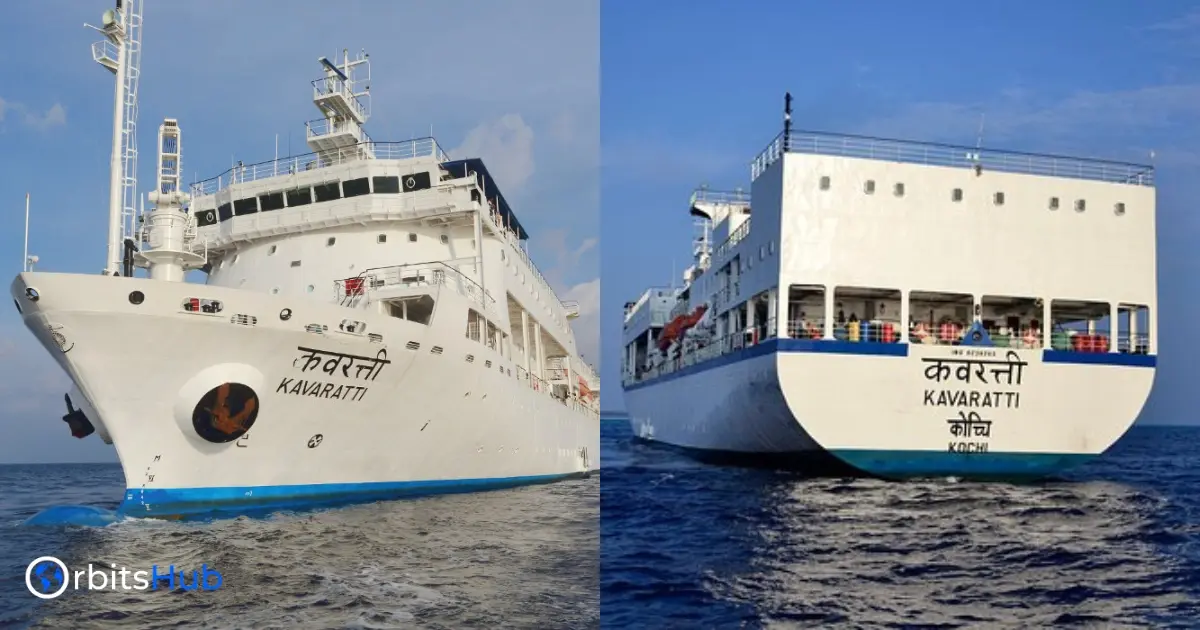
The engines of the MV Kavaratti are designed for maximum reliability and ease of maintenance.
- Service Intervals: Extended periods between overhauls, reducing downtime
- Modular Design: It allows for easy replacement of components.
- Monitoring Systems: Advanced diagnostic tools for predictive maintenance
- Redundancy: Dual engine setup ensures operational continuity.
This focus on reliability is essential for a vessel that serves as a lifeline for remote island communities.
Power Management and Distribution
The electrical systems of the MV Kavaratti Ship match the advanced nature of its propulsion:
- Power Management System: Automated load sharing and distribution
- Shaft Generators: Provide power for hotel loads during sailing.
- Emergency Generator: Ensures critical systems remain operational in all scenarios
This integrated approach to power management enhances the ship’s overall efficiency and safety.
Performance Metrics
The engine and propulsion system of the MV Kavaratti deliver impressive performance.
Cruising Speed
16 knots
Maximum Speed
18 knots
Range
Approximately 4,000 nautical miles
Endurance
Capable of continuous operation for up to 14 days
These capabilities ensure that MV Kavaratti can maintain reliable schedules and respond to emergencies.
Technological Innovations
Several cutting-edge technologies set the MV Kavaratti’s engines apart:
- Common Rail Fuel Injection: Precise control over fuel delivery for optimal combustion
- Variable inlet valve closing enhances engine efficiency across different load profiles.
- The Turbocharger Cut-Out System enhances performance during low loads.
- Cylinder Lubrication Optimization: Reduces oil consumption and emissions
These innovations improve the vessel’s performance, reliability, and environmental friendliness.
Integration with Ship Systems
Other ship systems seamlessly integrate with the engines.
- Bridge Control: Full engine control from the ship’s bridge
- Automation: We utilize advanced automation systems to ensure optimal engine operation.
- Waste Heat Recovery: Utilization of exhaust gas heat for onboard heating and freshwater generation
- Ballast Water Management: Utilizing engine-driven pumps for the treatment of ballast water
This integration ensures that the MV Kavaratti operates as a cohesive unit, maximizing efficiency and minimizing environmental impact.
Training and expertise
Operating and maintaining such advanced engines requires specialized knowledge.
- Crew Training: We offer rigorous training programs for our engine room staff.
- Simulator Facilities: State-of-the-art engine simulators for hands-on training
- Manufacturer Support: Ongoing technical support from Wärtsilä
- Local Expertise Development: Programs to develop local engineering talent in Lakshadweep
By putting a strong emphasis on human expertise, the MV Kavaratti Ship can fully utilize its advanced technology.
Future-Ready Design
We designed the MV Kavaratti’s propulsion system with the future in mind.
- Fuel Flexibility: Engines are capable of adapting to future fuel types.
- Digitalization is prepared for integration with advanced digital fleet management systems.
- Emission Compliance: We are ready for future, stricter emission regulations.
- Upgrade Pathways: Modular design allows for future technology upgrades.
These forward-thinking features ensure that the MV Kavaratti will continue to serve the Lakshadweep Islands efficiently for years.
Statistics
- Engine Weight: Approximately 51 tons each
- Cylinder Bore: 320 mm
- Piston Stroke: 400 mm
- Compression ratio: 16:1
- Firing pressure: 180 bars
- Turbocharger Efficiency: Up to 70%
- NOx emissions: less than 8 g/kWh
- The fuel injection pressure is up to 1,500 bar.
- Engine Room Temperature: Maintained at 35°C ± 5°C
- Lubricating oil capacity: 7,000 liters per engine
Frequently Asked Questions
A: The dual-engine configuration of the MV Kavaratti provides redundancy, which is crucial for its role as a lifeline to the Lakshadweep Islands. The ship can continue operating on the other engine if one engine experiences issues, ensuring uninterrupted transportation and supply services. This setup also allows for more flexible operations, as the ship can run on a single engine during low-load conditions, improving fuel efficiency.
A: The Wärtsilä 16V32 engines are well-suited for the MV Kavaratti’s operations due to several factors. Firstly, their robust design can withstand the sometimes harsh conditions of the Arabian Sea. The engines’ high power-to-weight ratio allows excellent performance without compromising the ship’s cargo capacity. Additionally, their fuel efficiency and compliance with environmental regulations make them ideal for operating in the ecologically sensitive area around the Lakshadweep Islands. The engines’ ability to run on various fuel types also provides flexibility in fuel sourcing, which is crucial for a vessel operating in remote areas.