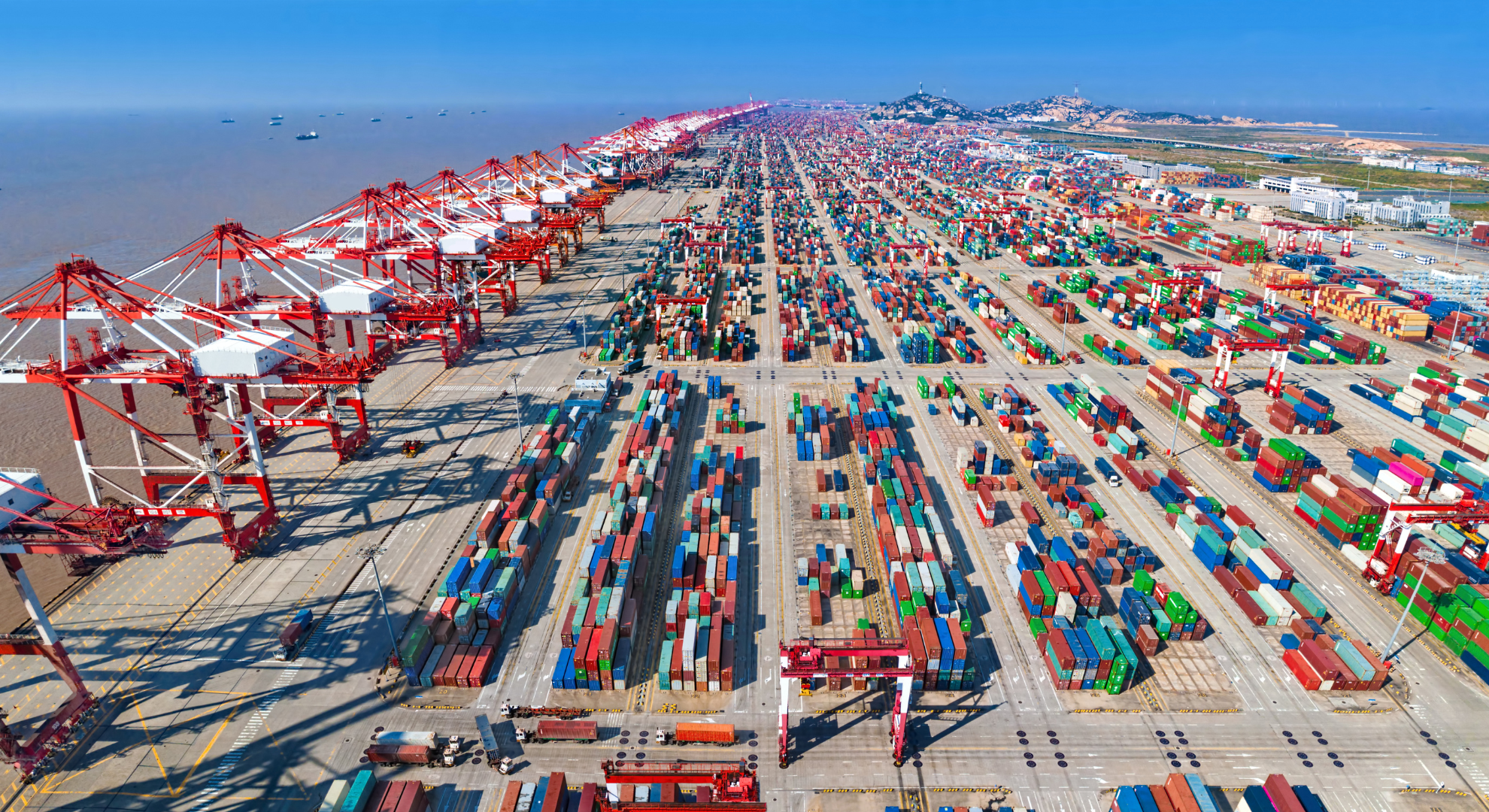
Importance of Inland Ports in Afghanistan

As a landlocked country, Afghanistan heavily relies on its inland ports as transit points for trade with neighboring countries and as entry points for goods and people. These ports play a vital role in improving the country’s trade connectivity and are crucial for its economic progress. However, the dry ports of Afghanistan face numerous challenges, including inadequate infrastructure, security concerns, corruption, and administrative obstacles. Many roads leading to these ports require attention to prevent delays and increase business costs.
Kabul Inland Container Depot: Afghanistan’s Largest Dry Port
The capital city of Afghanistan, Kabul, is home to the country’s largest dry port, the Kabul Inland Container Depot (ICD). Established in 2010, the Kabul ICD serves as a hub for the transshipment of cargo between ports and the country’s interior regions. It is a critical point for moving goods and commodities into and out of Afghanistan, connecting major ports in Pakistan, such as the Karachi Port and Qasim port, through the Pakistan-Afghanistan Transit Trade Agreement.
The Kabul ICD is capable of handling diverse types of cargo, including containerized goods, bulk cargo, and project cargo. Along with customs clearance services, it offers storage, warehousing, and transportation of goods to inner regions. Equipped with modern container-handling machinery and located near the airport and main highways, the Kabul ICD has become a key logistics hub. It has facilitated trade between Afghanistan and partner nations, including India and Pakistan, in sectors such as agriculture, construction, and mining. Additionally, it serves as a gateway for receiving humanitarian aid and relief supplies from international organizations and agencies worldwide.
Ghazanfar Port: A Trade Hub in Northern Afghanistan

Situated in the northern province of Balkh, near the town of Hairatan, Ghazanfar Port is another important dry port in Afghanistan. Managed by the Ghazanfar Group, a private logistics company, this port serves as a connection between the Hairatan border crossing and Mazar-e-Sharif city. It operates around 50 rail track carriages simultaneously, handling various types of cargo, such as petroleum products, dry cargo, coal, steel, and consumer goods.
Despite facing security challenges, Ghazanfar Port remains operational with ongoing efforts to ensure safety within its premises. It provides warehousing space, designated loading and unloading areas, customs and administrative offices, and contributes significantly to the country’s economic development by offering a cost-effective way of importing and exporting cargo.
Hairatan Port: Facilitating Trade with Uzbekistan
Trade between Afghanistan and Uzbekistan is greatly aided by Hairatan Port, which is situated in the Balkh province on the border with Uzbekistan.. Originally constructed by the Soviet Union in the 1980s to develop trade and commerce, Hairatan Port was revived and refurbished after 2001 when trade opened between Afghanistan and its neighbors. It serves as a transit point for commodities such as oil, gas, food items, construction materials, and flour.
In recent years, the port has undergone renovations and expansion, including the improvement of customs and border control facilities, as well as rail infrastructure. Despite security concerns, Hairatan Port continues to contribute to Afghanistan’s economy and acts as a gateway for regional trade.
Sher Khan Bandar Port: Connecting Afghanistan with Tajikistan, Turkmenistan, and Uzbekistan
Sher Khan Bandar, also known as Shir Khan, is a dry port situated in Afghanistan’s northern Kunduz province. It serves as a primary trade gateway connecting Afghanistan with neighboring countries such as Tajikistan, Turkmenistan, and Uzbekistan. The port is equipped with modern facilities, including container handling areas, bulk cargo terminals, and facilities for vehicles.
Established in 2007 with assistance from the Asian Development Bank, Sher Khan Bandar Port enables easy and cost-effective import and export of cargo to and from landlocked Afghanistan. It could connect South Asia with Central Asia and become a regional trade hub.
Imamnazar Port: A Vital Transit Point between Afghanistan and Turkmenistan
A crucial trade hub for Afghanistan and Turkmenistan, Imamnazar Port is situated in the Faryab province on the border between the two countries. Developed with the assistance of the Asian Development Bank and international partners, Imamnazar Port has witnessed recent renovations and expansions to handle increased cargo volumes.
The port features modern customs and border control systems, scanning equipment for security purposes, and ample warehousing and storage facilities for temporary cargo storage during transit. It also provides separate parking areas for trucks and other vehicles, allowing traders to utilize banking services conveniently. Upgraded roads leading to and from the port ensure efficient and swift movement and distribution of cargo.
Aqina Dry Port: Promoting Trade between Afghanistan and Turkmenistan, Iran, Turkey, and Azerbaijan

The Aqina Dry Port in Faryab province, Afghanistan, is conveniently situated on the railway line that links Ashgabat, the capital of Turkmenistan, to Mazar-e-Sharif, a city in northern Afghanistan. Established in 2007, it serves as a center of logistics in the northern part of the country, facilitating trade between Afghanistan and Turkmenistan, as well as other countries such as Iran, Turkey, and Azerbaijan.
The port features warehouses, customs offices, and a container yard capable of handling around 3000 containers per month. The export of agricultural goods, such as dried fruits and nuts, relies heavily on Aqina Dry Port. However, it faces challenges such as poor maintenance of the railway line, which can cause disruptions in the transportation process, and time-consuming customs procedures, leading to increased costs and delays.
Other Major Ports in Afghanistan
Apart from the aforementioned ports, Afghanistan also has several other significant ports that contribute to the country’s trade connectivity. These include ports such as Hairatan, Islam Qala, Torghundi, and Torkham, which serve as official border crossing points and facilitate trade with neighboring countries.
The development of dry or inland ports in Afghanistan plays a pivotal role in enhancing the country’s trade connectivity. Despite the challenges faced, such as inadequate infrastructure and security concerns, these ports have contributed significantly to Afghanistan’s economic progress. The Kabul Inland Container Depot, Ghazanfar Port, Hairatan Port, Sher Khan Bandar Port, Imamnazar Port, and Aqina Dry Port are among the ten major ports in Afghanistan that have improved trade efficiency and opened doors for regional trade. These ports serve as crucial gateways for the import and export of goods, connecting Afghanistan with its neighboring countries and beyond. With ongoing efforts to address the challenges faced, Afghanistan’s inland ports are expected to continue playing a vital role in the country’s economic development and trade connectivity.