The Importance of Ports in Afghanistan’s Trade

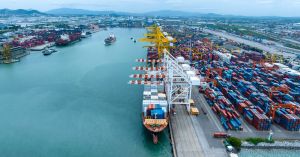
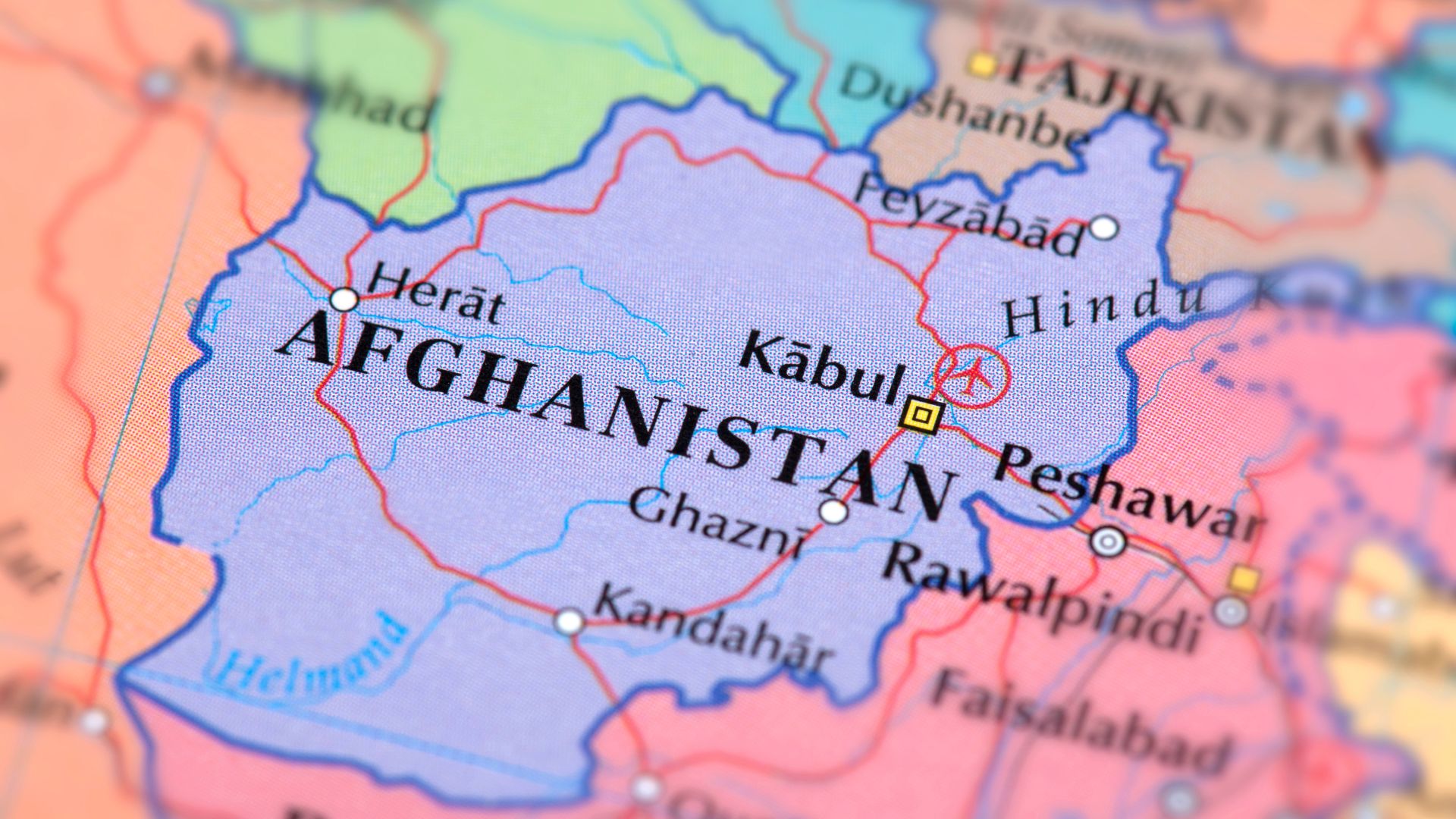
When it comes to international trade, Afghanistan’s ports are vital. Despite being a landlocked country, Afghanistan heavily depends on the efficient transportation of goods through these ports. The growth of maritime trade has significantly contributed to the economic development and improved trade statistics of the country.
The Role of Afghanistan’s Ports Authority
The ports in Afghanistan are managed and operated by the ports authority of the country, under the control of the Government of Afghanistan. The ports authority ensures the safe and efficient transportation system, which is essential for smooth trading operations. It is responsible for managing, exploiting, and maintaining the waterways, including the ports of Afghanistan.
Afghanistan’s Direct Shipping Connections
Afghanistan’s ports have established direct shipping connections with other countries through important shipping lines. These connections enable the country to establish strong trade relationships with its partners and enhance its global presence in the maritime industry. Afghanistan’s direct shipping connections contribute to the overall growth of its trade and economic prosperity.
Major Ports in Afghanistan
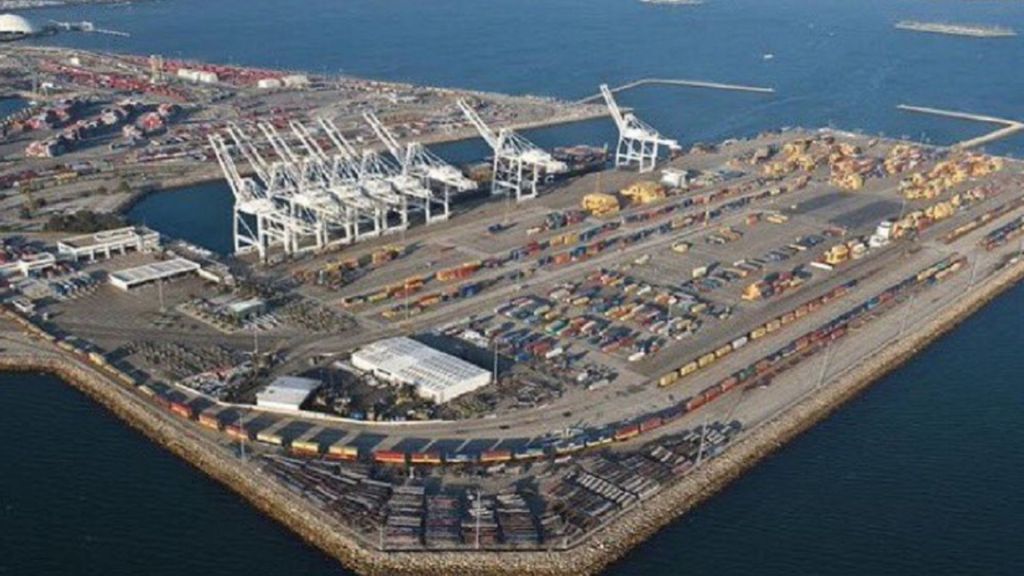
- Maimana Port: Located in the northwest of Afghanistan, Maimana Port serves as a vital trade hub for the region. Trading goods with neighboring countries is made easier by this.
- Nimroz Port: Situated in the southwestern part of Afghanistan, Nimroz Port plays a crucial role in facilitating trade with Iran. It serves as a gateway for goods entering and exiting Afghanistan through the Iranian border.
- Jalalabad Port: The Jalalabad Port, in eastern Afghanistan, is an important terminal for the import and export of products. It connects Afghanistan with neighboring countries, contributing to the growth of international trade.
- Bost Port: Situated in the southern region of Afghanistan, Bost Port is a vital trade link connecting the country with other nations. It is vital to Afghanistan’s economic growth since it eases the import and export of goods.
- Torghundi Port: Located in the western part of Afghanistan, Torghundi Port serves as a significant trade gateway between Afghanistan and Turkmenistan. It plays a crucial role in facilitating cross-border trade and contributing to the economic prosperity of both countries.
- Herat Port: Situated in the western region of Afghanistan, Herat Port serves as a key trade hub for the country. Connecting Afghanistan to its neighbors and easing trade within the area, it allows for the import and export of goods.
- Khwahan Port: Khwahan Port is a significant commerce route for commodities entering and leaving Afghanistan, located in the northeastern region of the nation. It plays a crucial role in connecting Afghanistan with neighboring countries and promoting international trade.
- Kandahar Port: Situated in the southern region of Afghanistan, Kandahar Port serves as a significant trade hub for the country. It is vital to Afghanistan’s economic growth since it makes importing and exporting goods easier.
- Kabul Port: Located in the capital city of Afghanistan, Kabul Port serves as a vital trade link for the country. It connects Afghanistan with neighboring countries, facilitating the import and export of goods and contributing to the growth of international trade.
- Mazar-i-Sharif Port: The Mazar-i-Sharif Port, in northern Afghanistan, is an important point of entry and exit for products. It plays a crucial role in connecting Afghanistan with neighboring countries, contributing to regional trade.
Establishing Strong Trade Relationships
The ports in Afghanistan have helped the country establish strong trade relationships with its partners. These ports act as crucial gateways for the import and export of goods, enabling Afghanistan to participate actively in the global trade market. The growth of maritime trade has positively impacted Afghanistan’s economy, contributing to its overall development.
Analyzing Trading Trends with Import-Export Data

To gain insights into the trading trends of Afghanistan, businesses can rely on import-export trade data. Companies like Seair Exim provide comprehensive data and analysis, helping businesses analyze the trading patterns and make informed decisions to generate profits. By understanding the import and export trends, businesses can strategize their operations and tap into new opportunities.
Despite being a landlocked country, Afghanistan’s ports play a vital role in its trade and economic development. The ports, managed by the ports authority of Afghanistan, facilitate the import and export of goods, connecting the country with neighboring nations. These ports have established direct shipping connections, contributing to the growth of international trade. Analyzing the trading trends with import-export data helps businesses make informed decisions and generate profits. Afghanistan’s ports are crucial gateways, enabling the country to participate actively in the global trade market and establish strong trade relationships with its partners.