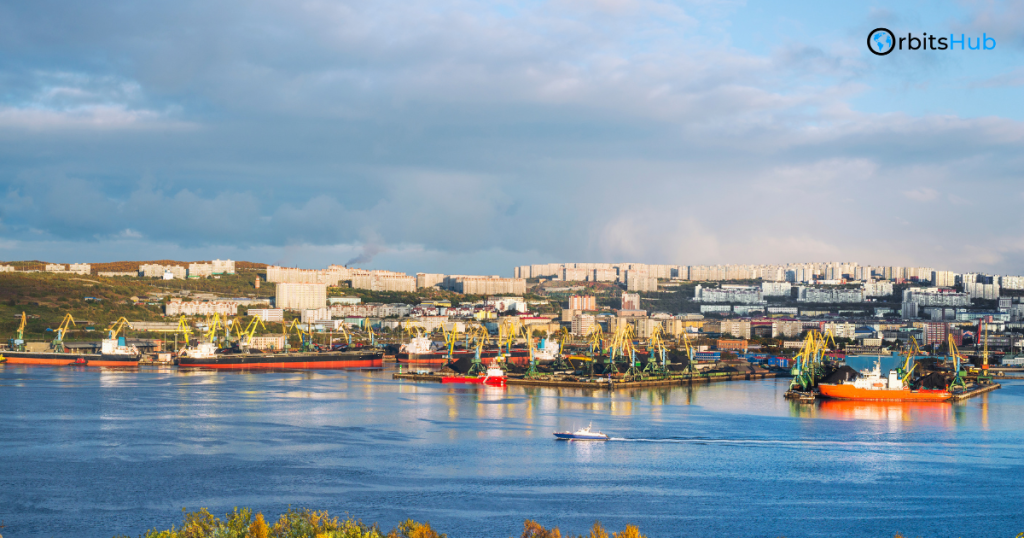
Imagine a bustling port city in the far north of Russia, where massive ships arrive and depart daily. This is Moscow, a vital gateway to the Arctic and one of Russia’s most important ports. Let’s dive into the fascinating world of Murmansk Port and discover why it’s such a crucial player in global shipping.
A City Born from the Sea
Murmansk’s story begins just over a century ago. Founded in 1916, this young city quickly became Russia’s window to the world during World War I. The city’s port, ice-free year-round thanks to the warm Gulf Stream, proved invaluable for receiving supplies from allies.
As time went on, Murmansk grew in importance. Today, it is the largest city north of the Arctic Circle, with a population of about 300,000. But it’s the port that truly puts Murmansk on the global map.
The Port: A Hive of Activity
Murmansk Port is a sight to behold. Giant cranes dot the skyline, precisely moving cargo onto and off ships. The port handles an impressive amount of goods each year. In fact, it’s one of Russia’s top five busiest ports, processing over 50 million tonnes of cargo annually.
What kind of goods pass through Murmansk? The list is diverse:
Murmansk Trade Routes
Turkey
Ports like Iskenderun and Zonguldak are frequent destinations.
North Africa
Egyptian ports see plenty of traffic from Murmansk.
Asia
China and India are becoming increasingly important trade partners.
South America
Even far-flung Brazilian ports receive goods from Murmansk.
Crude Oil
Black gold flows through the port in massive quantities.
Coal
Coal, being energy-rich, is a significant export.
Fertilizers
Fertilizers are helping to feed the world, one shipment at a time.
Processed Nickel
Processed nickel is a crucial metal for many industries.
However, statistics alone do not provide a complete picture. The port is also a key player in Russia’s plans for Arctic development and the Northern Sea Route.
The Northern Sea Route: A New Maritime Highway?
The Northern Sea Route (NSR) is a shipping lane along Russia’s Arctic coast. As climate change causes sea ice to melt, this route is becoming more accessible. Murmansk Port plays a crucial role in this emerging trade route.
Ships traveling on the NSR can save significant time and fuel compared to traditional routes. For instance, a journey from Japan to Rotterdam via the NSR takes 10 days, compared to 22 days via the Suez Canal. This could mean significant savings for shipping companies.
However, the NSR has challenges. The shipping season is short, typically lasting from late June to November. Even during this time, unpredictable ice conditions and harsh weather can cause delays.
Shifting Trade Winds
Recent global events have dramatically changed Murmansk’s trading patterns. Early in 2022, the majority of ships departing from the port headed towards European destinations such as Rotterdam. Now, the picture looks very different.
Today, ships from Moscow are more likely to head to:
Murmansk Trade Routes
Turkey
Ports like Iskenderun and Zonguldak are frequent destinations.
North Africa
Egyptian ports see plenty of traffic from Murmansk.
Asia
China and India are becoming increasingly important trade partners.
South America
Even far-flung Brazilian ports receive goods from Murmansk.
This shift reflects broader changes in Russia’s international trade. For example, India’s imports from Russia increased sixfold in November 2022 compared to the previous year. Meanwhile, Turkey has become a crucial transit hub for Russian goods.
A Port for All Seasons
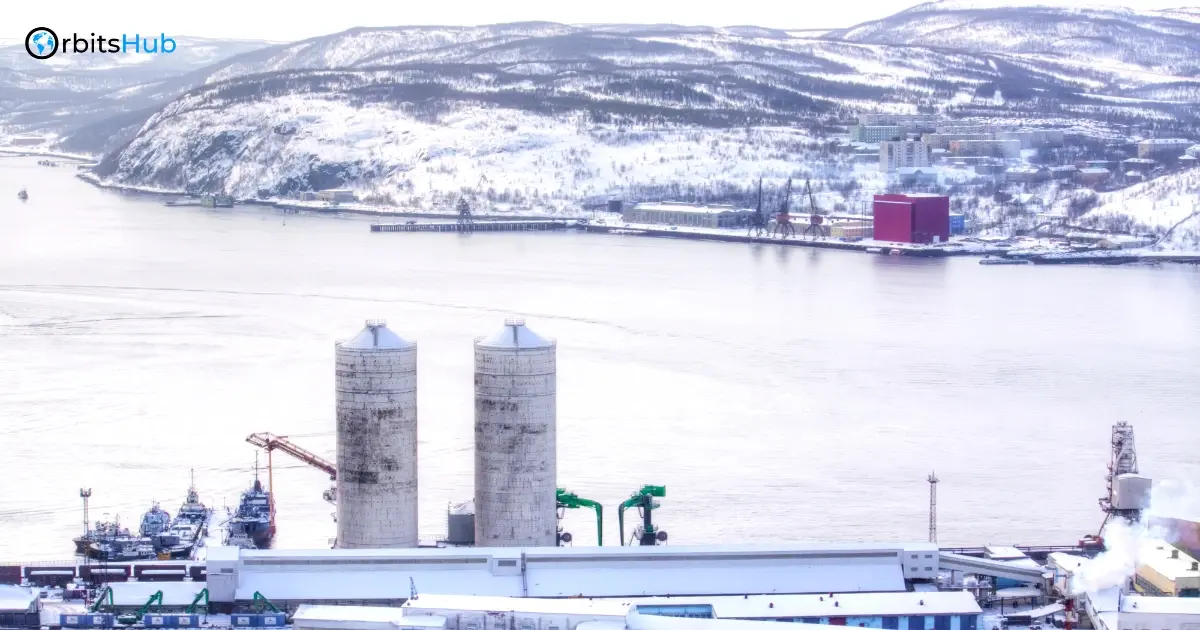
One of Murmansk Port’s greatest strengths is its year-round accessibility. While many Arctic ports struggle with ice for months a year, Murmansk remains open 365 days a year. The Gulf Stream, which warms the ice-free Kola Bay, enables Murmansk to remain open year-round.
This unique feature makes Murmansk invaluable for Russia’s Arctic ambitions. As the country seeks to develop its northern regions and exploit Arctic resources, Murmansk provides a reliable maritime link to the rest of the world.
Looking to the Future
Despite recent changes in global trade patterns, Murmansk Port continues to grow and adapt. The nearby Lavna port project on the western shore of Kola Bay aims to increase the region’s coal export capacity to 18 million tonnes annually.
Moreover, as Arctic shipping routes become more viable due to climate change, Murmansk’s strategic importance will likely increase. The port could become a significant hub for the Northern Sea Route, handling increased traffic between Europe and Asia.
However, challenges remain. The longer distances to new markets mean higher transportation costs. Additionally, the development of Arctic shipping routes faces environmental concerns and technical difficulties.
A Hub of Innovation
Murmansk Port isn’t just about moving goods; it’s also a center for Arctic research and innovation. The city hosts scientific institutions that study the Arctic environment and develop technologies for operating in harsh northern conditions.
This research is crucial as Arctic shipping increases. We need new technologies to ensure safe navigation through icy waters and to safeguard the fragile Arctic ecosystem from potential oil spills or other accidents.
The Human Side of the Port
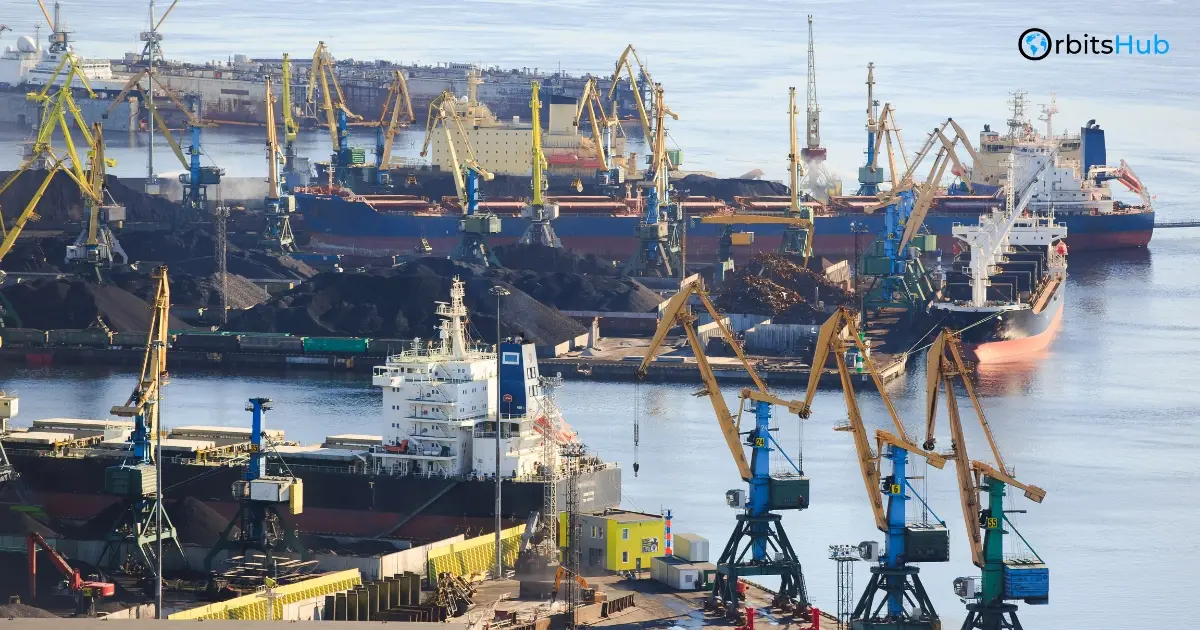
The people who make Murmansk Port function are behind the statistics and shipping routes. From crane operators to customs officials, ship captains to dockers, thousands of workers keep the port running smoothly day and night.
These workers brave some of the harshest conditions on Earth. In winter, they face polar nights where the sun doesn’t rise for weeks. In the summer, they work through the midnight sun. Their dedication keeps the lifeblood of trade flowing through Murmansk.
Frequently Asked Questions
Murmansk Port benefits from the warm Gulf Stream current, which keeps the Kola Bay free of ice even in the depths of winter.
The Northern Sea Route is a shipping lane along Russia’s Arctic coast. It’s important because it can significantly reduce travel time between Europe and Asia compared to traditional routes, potentially saving shipping companies duration and money.