A Historical Tapestry
Under the French rule of the late 19th century, the Port of Abidjan began to take shape, although its origins lie in the colonial period. Though it was originally built to accommodate the demands of the colonial powers, the port eventually became an important center for trade and commerce in the area.
Post-independence, the Port of Abidjan continued to thrive, transforming into a symbol of the Ivory Coast’s economic strength. Being close to important trade routes and situated on the Atlantic coast made it an important connection between West Africa and the world market.
Modern Infrastructure
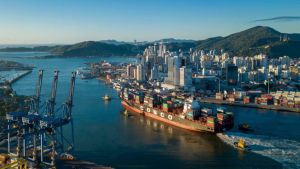
The Port of Abidjan has undergone extensive modernization to meet the demands of the 21st century. Thanks to its modern infrastructure, the port can process various cargo, including containers, bulk commodities, and liquid items. A network of terminals, each specialized in handling specific types of cargo, ensures efficient and seamless operations.
One of the key contributors to the port’s efficiency is the development of the Vridi Canal. This artificial waterway connects the port to the Atlantic Ocean, allowing larger vessels to navigate easily and reducing congestion in the harbor. Integrating cutting-edge technology, such as automated container handling systems, has enhanced the port’s capacity and operational efficiency.
Economic Impact

The Port of Abidjan serves as the economic lifeline of the Ivory Coast, facilitating international trade and commerce. Its significance extends beyond national borders, influencing the economic landscape of neighboring countries in the West African region. The port is a major conduit for the export of key commodities, including cocoa, coffee, and oil, which form the backbone of the Ivory Coast’s economy.
The efficient handling of imports and exports at the Port of Abidjan has attracted foreign investment, fostering economic growth and creating employment opportunities. The port’s role as a trade gateway has positioned the Ivory Coast as a key player in the global market, contributing to the nation’s economic diversification and resilience.
Regional Development Catalyst
Beyond its economic impact, the Port of Abidjan fosters regional development. By serving as a transshipment hub for landlocked countries in the West African hinterland, the port facilitates the movement of goods to and from these nations. This enhances their access to international markets and stimulates economic activities and infrastructure development in the region.
The development of transport corridors connecting the Port of Abidjan to landlocked countries, such as Burkina Faso and Mali, has been a game-changer. These corridors, comprising road and rail networks, have reduced transit times and transportation costs, promoting cross-border trade and integration.
Environmental Sustainability
The Port of Abidjan has achieved great progress towards sustainability in an age of increased environmental consciousness. Initiatives such as implementing eco-friendly technologies, waste management systems, and energy-efficient practices underscore the port’s commitment to reducing its environmental footprint.
Additionally, the port has embraced renewable energy sources, with solar and wind power projects contributing to its energy needs. The Port of Abidjan is establishing itself as a responsible participant in the maritime industry through its dedication to sustainability, which aligns with worldwide environmental standards.
Challenges and Future Prospects

Despite its remarkable achievements, the Port of Abidjan faces challenges that warrant attention. Infrastructure maintenance, congestion, and the need for continuous modernization to keep pace with evolving global trade dynamics are areas of concern. Addressing these challenges requires sustained investment, strategic planning, and collaboration between public and private stakeholders.
The Port of Abidjan has ambitious plans for expansion and enhancement. Infrastructure projects, including the development of new terminals and the further expansion of the Vridi Canal, are in the pipeline. These endeavors aim to augment the port’s capacity, improve efficiency, and solidify its position as a leading maritime gateway in West Africa.
The Port of Abidjan is a testament to the resilience and dynamism of West Africa’s maritime sector. From its historical roots to its modern infrastructure and far-reaching economic impact, the port has played a transformative role in shaping the region’s present and future. The Port of Abidjan is an important growth engine that links nations and promotes wealth in West Africa. It must face future problems and seize future chances.