
Location and General Overview
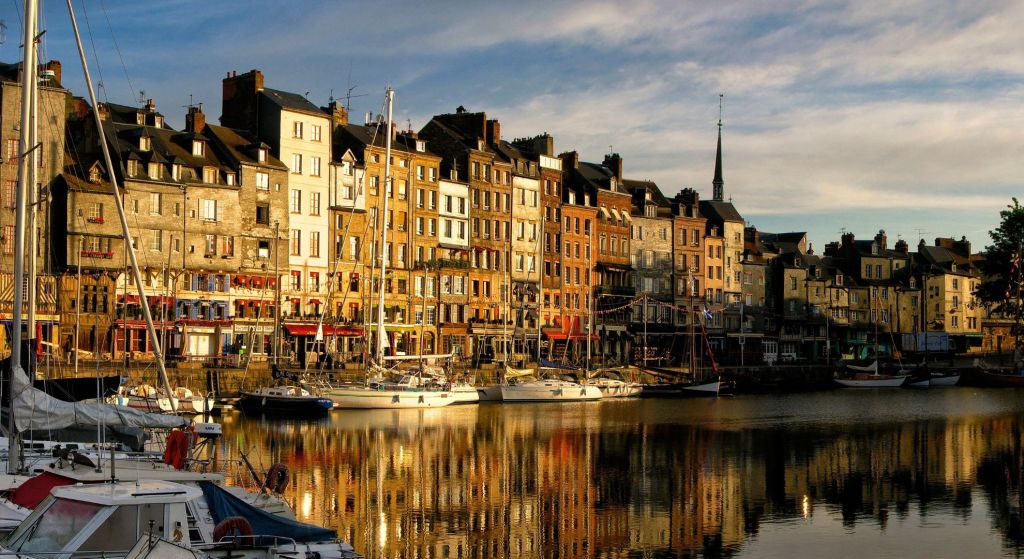
The Port of Ponce, situated in the city of Ponce, is one of the major ports in Puerto Rico. Located on the island’s southern coast, the port is approximately 51km east of Cabo Rojo. The port’s strategic location, protected by enclosing reefs from the prevailing easterly trade winds, offers a safe and secure harbor for a variety of vessels.
Port Facilities and Services
A state-of-the-art post-Panamax berth, two super post-Panamax ship-to-shore cranes, and a brand-new container yard capable of handling 500,000 TEU per year are just a few of the many facilities offered by the port. The port is equipped with a 55-foot draft access channel, making it a suitable contender for post-Panamax vessels.
Traffic Figures and Cargo Handling
The port handles approximately 850,000 tons of cargo annually, with about 245 vessels passing through. It also serves Panamax and post-Panamax vessels and handles all standard traffic types, including container and Ro-Ro traffic.
Port Development and Expansion
The port has undergone significant construction and dredging work to expand its container capacity and become a major Caribbean transshipment hub. The project has been divided into four phases. The first two phases involved the rehabilitation of existing docks, dredging to a depth of 50 feet, reconstructing the container parking area, and acquiring 135 acres at PERCON. The last two phases will expand the port to its maximum capacity.
Economic Impact and Opportunities
The port plays a significant role in stimulating economic growth in the Southern Region of Puerto Rico. It opens opportunities for international trade and enhances the value chain. The port’s development has also created numerous job opportunities, contributing to the local economy.
Port Operations and Logistics
The port’s logistics activities include assembly, light manufacturing, specialized transportation, distribution, warehousing, classification, and inventory control. The port also offers various port services, including water, crane lease, and US imports clearing house.
Connectivity and Accessibility
The port’s strategic geographical location and excellent road infrastructure offer superior connectivity and accessibility. It is well-connected to major cities like San Juan, Aguadilla, and Ceiba via well-maintained roads, making it easily accessible for cargo transportation and logistics operations.
Tourist Attractions in Ponce
Ponce is Puerto Rico’s second-largest city, known for its rich history and unique architecture. The city is home to several attractions, such as Museo de Arte de Ponce, Parque de Bombas, and Museo de la Historia de Ponce. These attractions add a cultural and historical dimension to the port city.
Cruise Services and Amenities
The port’s strategic location also makes it a popular destination for cruise ships. Ponce offers a unique blend of cultural richness and architectural grandeur, making it an attractive destination for cruising tourists. In addition, the port provides a variety of amenities and services to cruise passengers, including shopping and dining options.
Future Developments and Projects

The port has several future development plans in the pipeline, including building a new tourist wharf at Eugenio Maria de Hostos Street to accommodate two mega cruise ships simultaneously. These developments aim to enhance the port’s capacity and efficiency and contribute to its growth as a major Caribbean transshipment hub.
Challenges and Solutions
While the port has made significant strides in its development, it faces a few challenges, such as the need for further expansion and modernization. However, with a strategic plan in place and continuous efforts toward development, the port is well on its way to overcoming these challenges.
Historical Significance of the Port
- Rich Maritime Heritage: The Port of Ponce has played a pivotal role in Puerto Rico’s history, serving as a critical entry point for goods and passengers since the 19th century.
- Strategic Military Base: During World War II, the port was used as a strategic military base by the United States, highlighting its importance in regional security.
- Cultural Landmark: The port area has become a cultural landmark, reflecting the city’s evolution and historical connections with maritime trade.
- Economic Growth Catalyst: Historically, the port has been a catalyst for economic growth, facilitating the export of sugar, coffee, and other local products, thus boosting the region’s economy.
Environmental Sustainability and Initiatives
- Green Port Initiatives: The Port of Ponce has implemented several green port initiatives aimed at reducing its environmental footprint, including the use of eco-friendly fuels and waste management practices.
- Marine Conservation Efforts: The port collaborates with local environmental organizations to protect marine life and preserve coral reefs, which are vital to maintaining biodiversity in the area.
- Energy Efficiency Programs: Investments in energy-efficient technologies, such as LED lighting and solar panels, help reduce energy consumption and greenhouse gas emissions.
- Water Quality Monitoring: Continuous water quality monitoring ensures that port operations do not negatively impact the surrounding marine environment, promoting a sustainable maritime ecosystem.
Partnerships and International Collaborations
- Global Trade Partnerships: The Port of Ponce has established trade partnerships with ports and shipping companies worldwide, enhancing its role in global trade networks.
- Collaborations with International Agencies: International maritime agencies and organizations have helped the port adopt best practices and comply with international standards.
- Joint Ventures and Investments: The port has entered joint ventures with international investors, facilitating the development of new facilities and expanding services.
- Cultural Exchanges and Tourism: Partnerships with international tourism boards and cruise lines have promoted cultural exchanges and increased the number of international visitors to Ponce.
Security Measures and Regulations
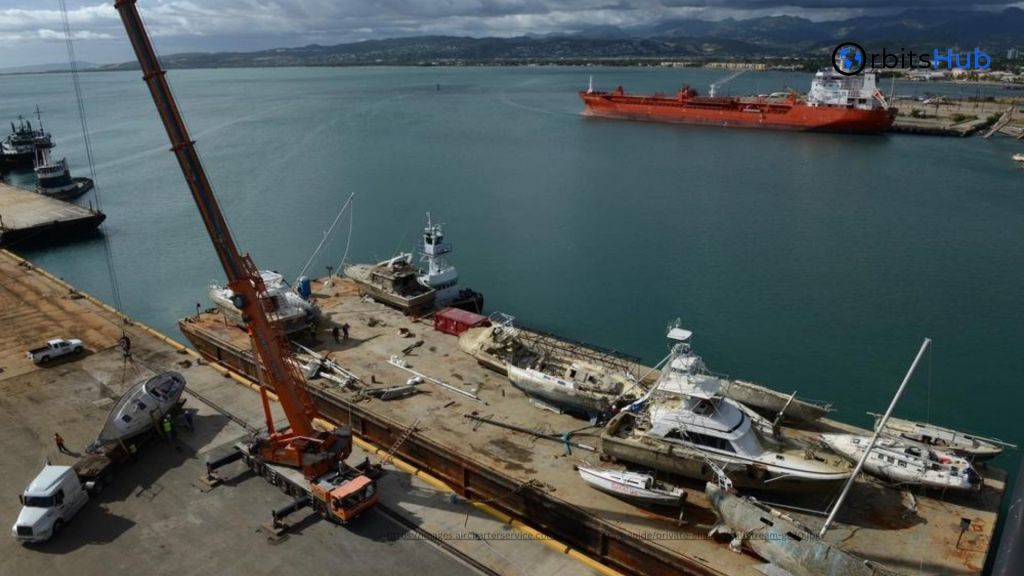
- Comprehensive Security Systems: The Port of Ponce employs advanced security systems, including surveillance cameras, access control systems, and regular patrols, to ensure the safety of its facilities and operations.
- Adherence to International Security Standards: The port complies with international security standards, such as security measures outlined in the ISPS Code, designed to protect ships and port facilities from dangers.
- Customs and Immigration Controls: The port maintains stringent customs and immigration controls to prevent smuggling, human trafficking, and other illegal activities.
- Emergency Response Preparedness: A robust emergency response plan, including regular drills and coordination with local authorities, is in place to manage and mitigate any potential security incidents.
Community Engagement and Outreach Programs
- Educational Programs and Workshops: The Port of Ponce organizes educational programs and workshops for local schools and communities to raise awareness about maritime careers and environmental conservation.
- Community Development Initiatives: The port actively participates in community development initiatives, supporting local businesses and contributing to infrastructure improvements in the surrounding areas.
- Volunteer Opportunities: The port encourages employees and community members to engage in volunteer activities like beach clean-ups and community service projects.
- Public Tours and Open Days: Public tours and open days are regularly held to educate the community about port operations, fostering a sense of connection and transparency between the port and residents.
The Port of Ponce, with its strategic location, modern facilities, and comprehensive services, plays a crucial role in Puerto Rico’s economy. As it continues to evolve and expand, it is set to strengthen its position as a critical player in the Caribbean maritime industry.