Historical Development of Agadir’s Harbor
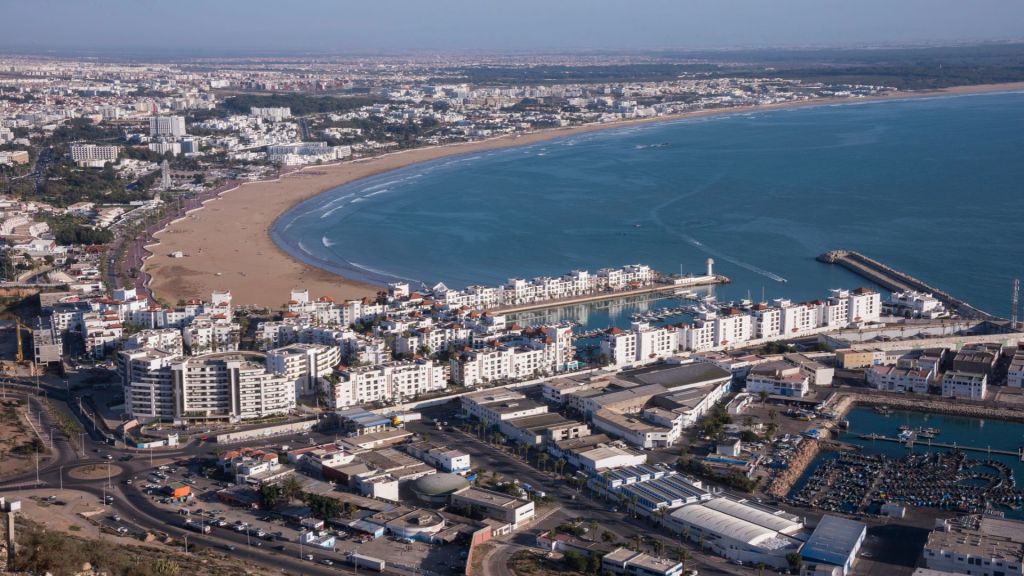
From Ancient Berber Settlement to Modern Port
The story of Agadir’s port stretches back centuries, intertwining with the region’s fascinating history. Originally a small Berber fishing village, Agadir’s potential as a maritime hub was recognized early on. Portuguese sailors in the 15th century established a trading post here, marking the beginning of Agadir’s transformation into a significant port.
Over the centuries, the harbor evolved, adapting to changing political landscapes and economic needs. The French protectorate period saw substantial development, with infrastructure improvements laying the groundwork for the modern port we see today.
Impact of the 1960 Earthquake on Port Infrastructure
A pivotal moment in Agadir’s history came with the devastating earthquake of 1960. This catastrophic event reshaped not only the city but also the port’s destiny. In the aftermath, a comprehensive reconstruction effort was launched, resulting in a more resilient and advanced port infrastructure.
The rebuilding process incorporated cutting-edge engineering techniques, ensuring the new port could withstand future seismic activities. This tragedy, while devastating, ultimately led to the creation of a more robust and efficient harbor, capable of meeting the demands of modern maritime trade.
Strategic Location and Geographic Advantages
Natural Deep-Water Harbor Characteristics
One of Agadir’s most valuable assets is its natural deep-water harbor. This geological gift allows the port to accommodate large vessels, including modern container ships and cruise liners. The depth of the harbor minimizes the need for constant dredging, reducing maintenance costs and environmental impact.
The sheltered bay provides excellent protection from Atlantic swells, ensuring safe berthing and cargo operations year-round. This natural advantage has been further enhanced through careful engineering, optimizing the port’s layout to maximize efficiency and safety.
Proximity to Major Shipping Routes
Agadir’s location along Morocco’s southern Atlantic coast positions it ideally to serve both north-south and east-west shipping routes. This strategic placement allows the port to act as a crucial transshipment hub, connecting Europe, Africa, and the Americas.
The port’s proximity to the Strait of Gibraltar and major European ports makes it an attractive option for shipping companies looking to optimize their routes and reduce fuel consumption. Additionally, Agadir serves as a gateway to the Sahara and sub-Saharan Africa, opening up vast trade opportunities for businesses operating through the port.
Infrastructure and Facilities
Cargo Handling Equipment and Storage Capacities
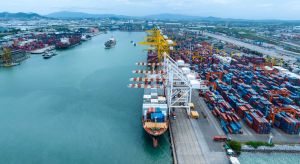
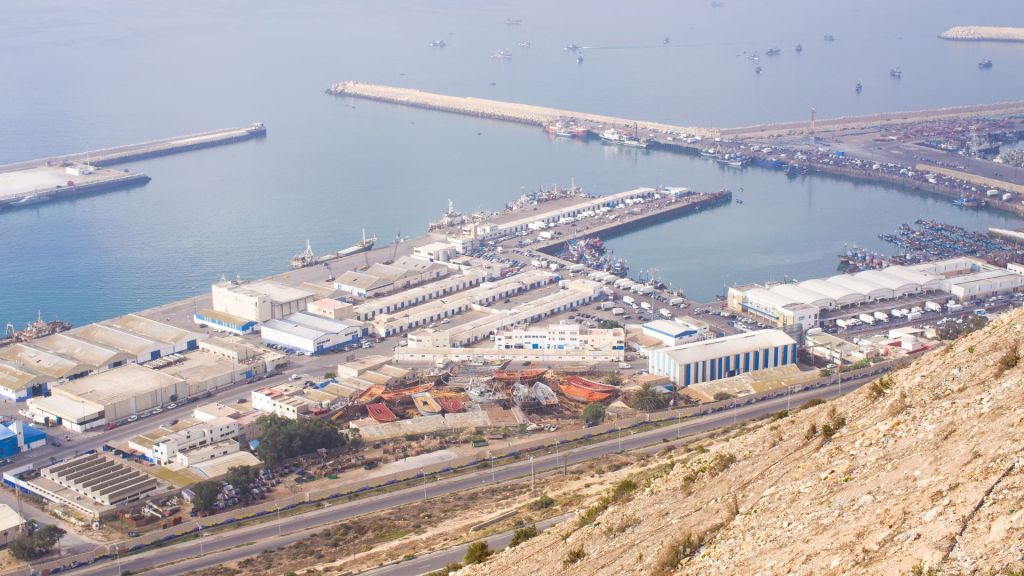
The Port of Agadir boasts an impressive array of modern cargo handling equipment, designed to ensure swift and efficient operations. State-of-the-art gantry cranes, reach stackers, and specialized handling equipment cater to various cargo types, from containers to bulk goods and perishables.
Extensive storage facilities complement the handling capabilities, including temperature-controlled warehouses for Morocco’s famous citrus exports. The port’s layout optimizes the flow of goods, minimizing turnaround times and maximizing throughput.
Passenger Terminal and Cruise Ship Accommodations
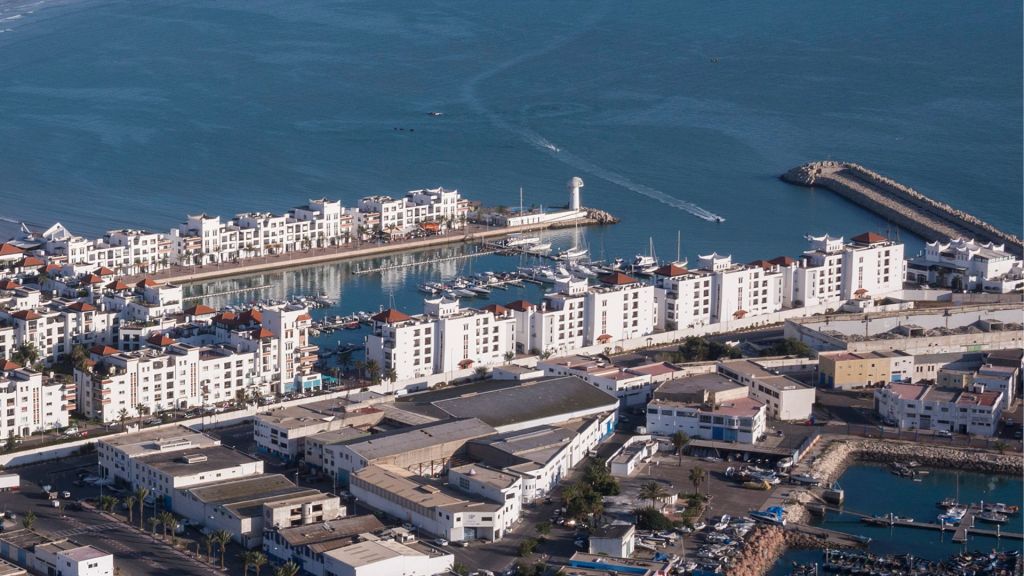
Recognizing the growing importance of cruise tourism, Agadir has invested in top-notch passenger facilities. The modern terminal welcomes visitors with a blend of efficiency and Moroccan hospitality. Designed to handle large cruise ships, the facilities ensure a smooth transition for passengers eager to explore the vibrant city and its surroundings.
The terminal’s architecture reflects the region’s cultural heritage while incorporating all the amenities expected by today’s discerning travelers. This investment in cruise infrastructure has positioned Agadir as an increasingly popular port of call on Mediterranean and Atlantic cruise itineraries.
Economic Significance of the Port
Key Industries and Exports
The Port of Agadir plays a crucial role in Morocco’s export-driven economy. It serves as the primary shipping point for the country’s renowned agricultural products, particularly citrus fruits, vegetables, and fish products. The port’s efficient cold chain infrastructure ensures that these perishable goods reach global markets in prime condition.
Beyond agriculture, Agadir handles a diverse range of cargo, including minerals from inland regions, manufactured goods, and increasingly, products from Morocco’s growing automotive and aerospace industries. This diversification of exports through the port reflects the country’s economic development and industrialization efforts.
Job Creation and Local Economic Impact
The port’s operations generate substantial employment opportunities, both directly and indirectly. From dock workers and logistics specialists to customs officials and maritime service providers, the port ecosystem supports a wide range of jobs.
The economic impact extends far beyond the port gates. The port’s actions are good for local businesses like hotels, restaurants, and transportation firms. The influx of goods and visitors stimulates the regional economy, contributing significantly to Agadir’s prosperity and growth.
Technological Advancements and Modernization Efforts
Automation and Digital Port Management Systems
Staying at the forefront of port technology, Agadir has embraced automation and digital solutions to enhance its operations. Advanced terminal operating systems coordinate vessel movements, cargo handling, and storage with precision and efficiency.
Real-time tracking and data analytics provide stakeholders with valuable insights, optimizing resource allocation and improving decision-making processes. These technological investments have significantly boosted the port’s competitiveness in the global maritime landscape.
Green Initiatives and Sustainability Practices
The Port of Agadir has started a number of green projects because it knows how important it is to take care of the earth. These include using solar panels to power the port, electric vehicles for getting around the city, and more advanced methods for dealing with trash.
Water conservation efforts and air quality monitoring programs further demonstrate the port’s commitment to sustainable operations. These eco-friendly actions not only leave less of an impact on the environment, but they also meet the growing demand for greener supply lines around the world.
Future Expansion Plans and Projections
Proposed Infrastructure Developments
The Port of Agadir continues to evolve, with ambitious expansion plans on the horizon. Proposed developments include the construction of additional deep-water berths to accommodate larger vessels and increased cargo volumes.
Plans also encompass the expansion of storage facilities, particularly for containerized cargo, reflecting the global trend towards containerization. The goal of these investments in infrastructure is to make Agadir an even more important player in trade in the area and around the world.
Anticipated Growth in Cargo and Passenger Traffic
Projections for the Port of Agadir paint a picture of robust growth in both cargo handling and passenger numbers. The ongoing diversification of Morocco’s economy is expected to drive increased export volumes through the port.
On the passenger side, the growing popularity of Morocco as a tourist destination, coupled with Agadir’s investments in cruise facilities, points to a bright future for the port’s passenger operations. These growth projections underpin the rationale for the port’s expansion plans and continued modernization efforts.
The Port’s Role in Regional Development
Connecting Morocco to Global Markets
The Port of Agadir serves as a vital link in Morocco’s global trade network. By providing efficient access to international markets, the port enables Moroccan businesses to compete on the world stage. This connectivity has been instrumental in attracting foreign investment and fostering the growth of export-oriented industries in the region.
Fostering International Trade Relations
Beyond its economic functions, the port plays a diplomatic role, strengthening Morocco’s ties with trading partners worldwide. The efficient handling of international cargo and the welcoming of cruise passengers contribute to positive perceptions of Morocco as a reliable trade partner and attractive tourist destination.
Challenges and Opportunities
Competitive Landscape Among Mediterranean Ports
The Port of Agadir operates in a highly competitive environment, vying for traffic with other Mediterranean and West African ports. To maintain its competitive edge, Agadir must continuously innovate and improve its services, balancing efficiency with cost-effectiveness.
Adapting to Changing Global Shipping Trends
The maritime industry is evolving rapidly, with trends such as vessel upsizing, digitalization, and increasing environmental regulations. Agadir’s ability to adapt to these changes will be crucial for its long-term success. The port’s ongoing investments in infrastructure and technology demonstrate its commitment to meeting these challenges head-on.
The Port of Agadir stands as a shining example of Morocco’s maritime ambitions and economic potential. Its rich history, strategic location, and continuous modernization efforts have positioned it as a key player in the region’s maritime landscape. As global trade patterns evolve and new challenges emerge, the Port of Agadir remains poised to adapt, innovate, and thrive, continuing its role as Morocco’s gateway to the Atlantic and beyond.