


A Historical Odyssey
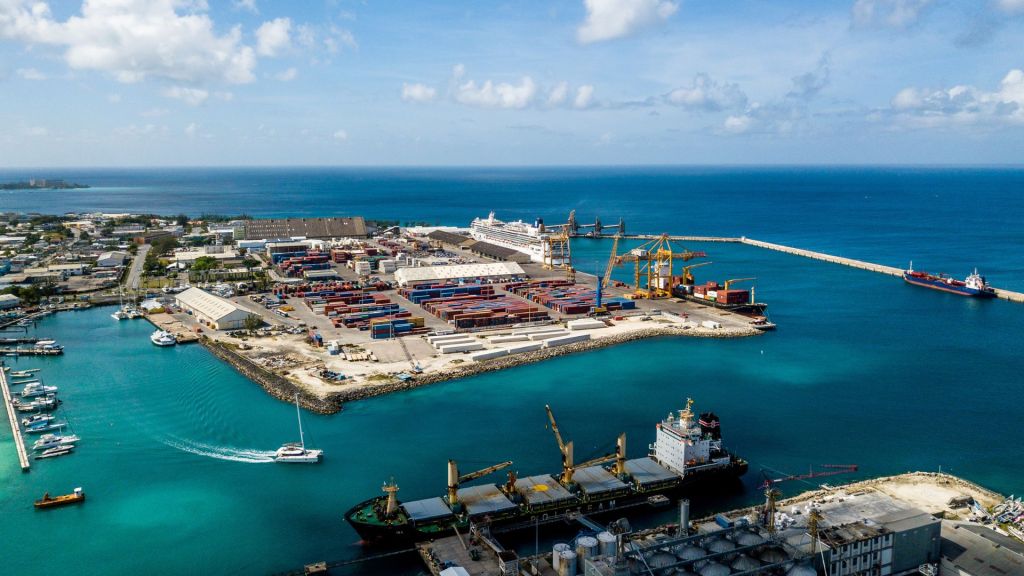
Bridgetown Port’s journey began centuries ago amidst the age of exploration and colonial expansion. As European countries fought for control of the New World, Barbados became an important hub in the trade network that went across the Atlantic. The port was a key part of the trade of goods, people, and ideas between Europe, Africa, and the Americas. Its impact on the island’s culture and economy will last forever. From the days of wooden sailing ships to the era of steam-powered vessels, Bridgetown Port evolved in tandem with the shifting currents of global trade, adapting to new technologies and geopolitical realities.
Economic Anchors
In the modern era, Bridgetown Port stands as a cornerstone of Barbados economy, and it is a center of maritime trade and commerce. With its strategic location at the crossroads of the Caribbean, the port serves as a vital gateway for imports and exports, facilitating the flow of goods to and from the region. From containers of tropical produce to luxury cruise liners, Bridgetown Port handles a diverse array of cargo, generating revenue and employment opportunities for the local community. Moreover, the port’s role extends beyond its shores, contributing to the wider Caribbean economy and strengthening regional integration efforts.
Charting Technological Horizons
In an age of rapid technological advancement, Bridgetown Port has embraced innovation to enhance its efficiency and competitiveness. The port has invested in state-of-the-art infrastructure, including modern container terminals, automated handling systems, and advanced logistics solutions. These technological investments have streamlined operations, reduced turnaround times, and increased the port’s capacity to handle larger vessels and higher volumes of cargo. Moreover, Bridgetown Port has embraced digitalization, leveraging data analytics, IoT sensors, and blockchain technology to optimize supply chain management and improve transparency and security in cargo tracking and documentation.
Sustainability at Sea
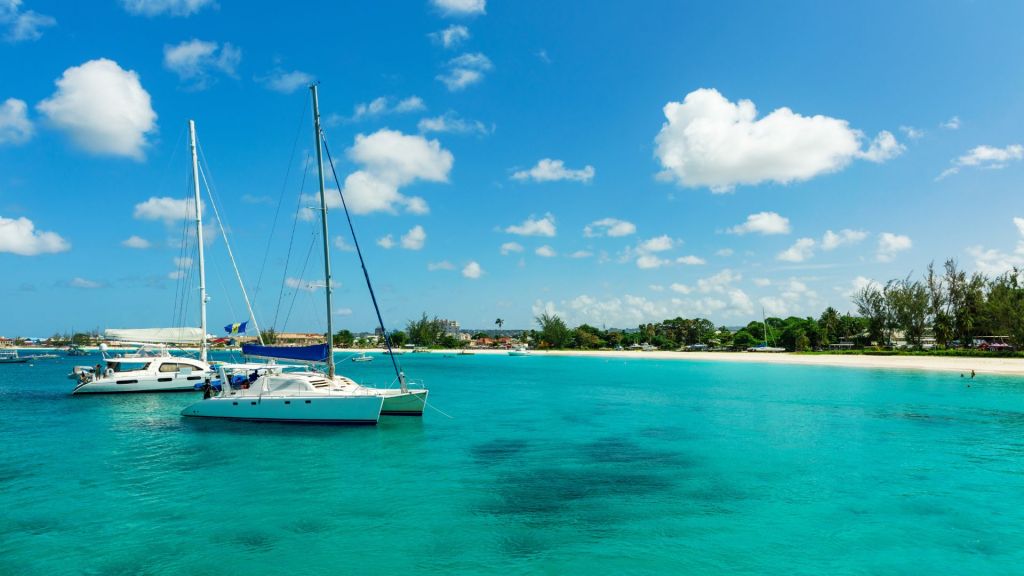
As worries about climate change and damage to the environment grow, Bridgetown Port has taken steps to be more eco-friendly and sustainable. The port has started “green” programs to cut down on its carbon footprint, waste, and the damage that maritime operations do to marine ecosystems. By investing in clean energy sources and starting recycling programs, Bridgetown Port is working to protect the coastal waters of Barbados’ natural beauty and wildlife. Moreover, the port has taken proactive measures to adapt to the challenges of rising sea levels and extreme weather events, ensuring its resilience in the face of a changing climate.
Gateway to Global Trade
Bridgetown Port’s strategic location and efficient operations position it as a key player in the global trade arena. The port is an important link between the Caribbean and foreign markets. It makes it easier for goods to be traded between North and South America, Europe, and other places. With its deep-water berths, modern facilities, and world-class services, Bridgetown Port attracts shipping lines, logistics providers, and multinational corporations seeking reliable and cost-effective access to the Caribbean market. Moreover, the port plays a crucial role in promoting tourism and hospitality, welcoming thousands of cruise passengers and leisure travelers each year.
Cultural Heritage and Community Impact
Explore how Bridgetown Port’s historical significance has shaped the cultural heritage of Barbados and its impact on the local community. Discuss initiatives undertaken by the port to preserve historical landmarks, promote cultural exchange, and support community development projects. Highlight the role of the port in fostering cultural diversity, heritage tourism, and social responsibility within the region.
Maritime Security and Trade Resilience
Delve into the critical aspects of maritime security at Bridgetown Port, including measures to ensure the safety of vessels, cargo, and personnel. Discuss partnerships with law enforcement agencies, technology adoption for surveillance and risk management, and adherence to international maritime security protocols. Also, examine how the port enhances trade resilience through contingency planning, disaster recovery strategies, and response capabilities to mitigate potential disruptions such as natural disasters or security threats.
Challenges and Opportunities on the Horizon
Despite its many successes, Bridgetown Port faces a myriad of challenges in an increasingly complex and competitive global environment. From infrastructure constraints to regulatory hurdles, the port must navigate a range of obstacles to maintain its momentum and continue its growth trajectory. Moreover, the emergence of new technologies, shifting trade patterns, and geopolitical tensions pose both threats and opportunities for Bridgetown Port and the wider maritime industry. However, with strategic planning, proactive management, and a commitment to innovation and sustainability, Bridgetown Port is well-positioned to overcome these challenges and seize the opportunities that lie ahead.
Bridgetown Port stands as a beacon of maritime excellence, embodying the spirit of resilience, adaptability, and progress. As a colonial trading place turned into a modern maritime hub, the port has been through a lot of changes. It has done so with skill and determination. As we chart a course toward the future, Bridgetown Port remains steadfast in its commitment to serving as a gateway to global trade, a catalyst for economic growth, and a steward of the marine environment. With its rich history, economic significance, technological innovations, and sustainable practices, Bridgetown Port is poised to continue its journey as a maritime leader in the Caribbean and beyond.


