Historical Roots
The origins of the Port of Durban can be traced back to the early 19th century when it began as a small landing site. Over the years, as maritime trade flourished, the need for a more sophisticated harbor became evident. The British colonial administration recognized the potential of Durban as a significant trading hub, leading to the construction of a rudimentary harbor in the late 19th century. Since then, the port has undergone numerous expansions and upgrades, transforming it into the largest and busiest port in Africa.
Strategic Location
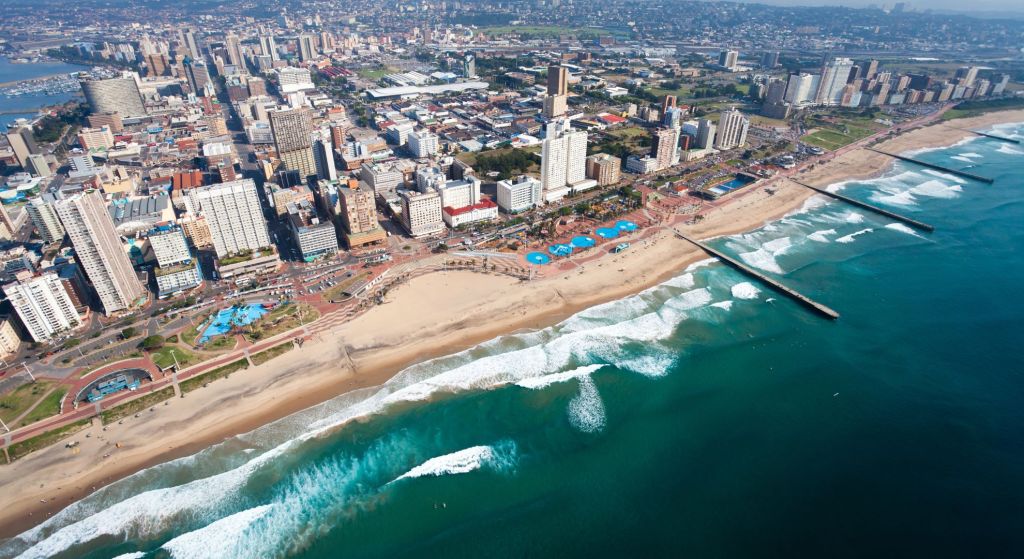
The desirable geographical position of the Port of Durban is an important component in its overall success. Situated along the Indian Ocean, it serves as a gateway for trade between Africa, Asia, and the Middle East. In order to ensure that South Africa remains connected to the global economy, the port’s location is highly desirable by international shipping corporations due to its closeness to major shipping routes.
Infrastructure and Facilities
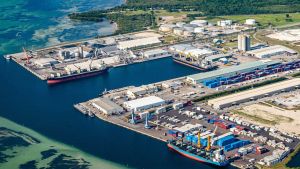
The Port of Durban boasts state-of-the-art infrastructure and world-class facilities that cater to a diverse range of cargo. The port is equipped to handle containers, bulk cargo, liquid bulk, and automotive exports. Container terminals are equipped with advanced handling technology, ensuring efficient and rapid movement of goods. Additionally, specialized terminals for bulk commodities such as coal and grain contribute to the port’s versatility.
Economic Impact

The economic impact of the Port of Durban extends far beyond its immediate vicinity. As a major economic engine, the port contributes significantly to South Africa’s GDP and provides employment opportunities for thousands of people. The bustling activity within the port creates a ripple effect, influencing industries such as transportation, logistics, and manufacturing. Furthermore, the port plays a crucial role in facilitating international trade, fostering economic growth, and attracting foreign investment.
Challenges and Solutions
While the Port of Durban has enjoyed tremendous success, it has not been without its challenges. Congestion, inefficiencies, and outdated infrastructure have at times posed obstacles to the port’s optimal functioning. However, proactive measures have been taken to address these challenges. Ongoing infrastructure upgrades, the implementation of advanced technologies, and streamlined logistics processes are part of a concerted effort to enhance the port’s efficiency and capacity.
Environmental Sustainability
In recent years, the Port of Durban has also made strides towards environmental sustainability. There have been efforts to reduce the environmental effect of port operations, reflecting the need of responsible port management. These include measures to reduce emissions, improve waste management, and promote eco-friendly practices within the maritime industry. The port’s dedication to sustainability is in line with worldwide initiatives aimed at making the shipping industry more eco-aware and accountable.
Future Prospects

The Port of Durban is well-positioned for future growth, even as the world around us keeps changing. Ambitious expansion projects, including the development of new terminals and increased container handling capacity, are on the horizon. These endeavors aim not only to meet the current demands of international trade but also to position the port as a key player in the anticipated surge in maritime commerce.
The Port of Durban stands as a testament to the transformative power of strategic planning and development. The port has been an integral part of South Africa’s economic development, from its modest origins to its present position as a nautical behemoth. As it navigates the challenges of the present and charts a course for the future, the Port of Durban remains a symbol of resilience, adaptability, and the enduring importance of maritime trade in the global economy.