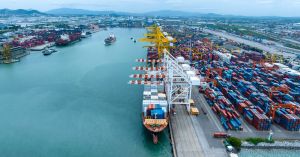
Vital Role of the Canal
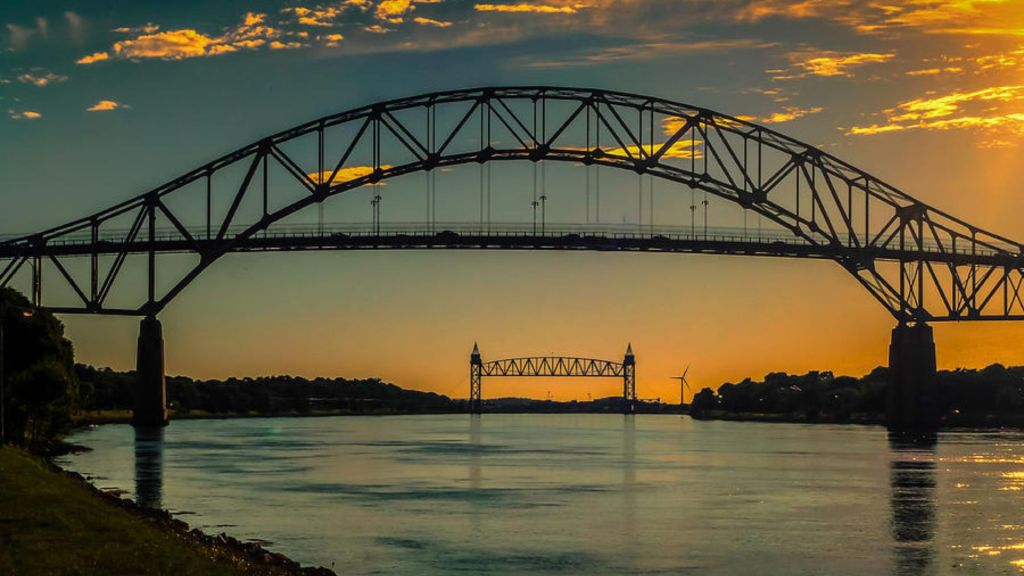
The Cape Cod Canal provides ships a much more direct and safer route than having to sail the long way around the hook-shaped peninsula of Cape Cod. By utilizing the canal, boats save a substantial distance of some 60 to 120 nautical miles depending on where they are coming from. This alternate passage helps vessels avoid the notably rough and unpredictable seas found off of Cape Cod and its large sandbars that have caused many shipwrecks over the centuries. Now over 16,000 vessels transit the Cape Cod Canal on an annual basis, relying heavily on this invaluable nautical shortcut.
Dimensions and Transit Details
The total length of the Cape Cod Canal spans 7.6 miles from one end to the other. The Army Corps of Engineers has made periodic modifications over the last century to expand the canal to its current dimensions. It presently measures some 480 feet wide at its narrowest point and 600 feet wide at its widest. The channel also has depths of 32 feet at mean low water all along its full length and width to easily accommodate large, deep-draft ships. Everything from commercial fishing boats and recreational yachts to immense cargo ships and barges routinely pass through the canal.
Unique Geography Created
The presence of the Cape Cod Canal essentially transforms Cape Cod into a technical island, completely separated from the mainland by the artificial waterway passage. The geography, ecology, human development, and culture found on either side of the canal differs quite distinctly as well. The mainland sidebustles with industry, transportation corridors, and urban areas while the Cape Cod side remains relatively remote and populated mostly with small towns centered around tourism and fishing economic sectors.
Major Landmarks Along the Length
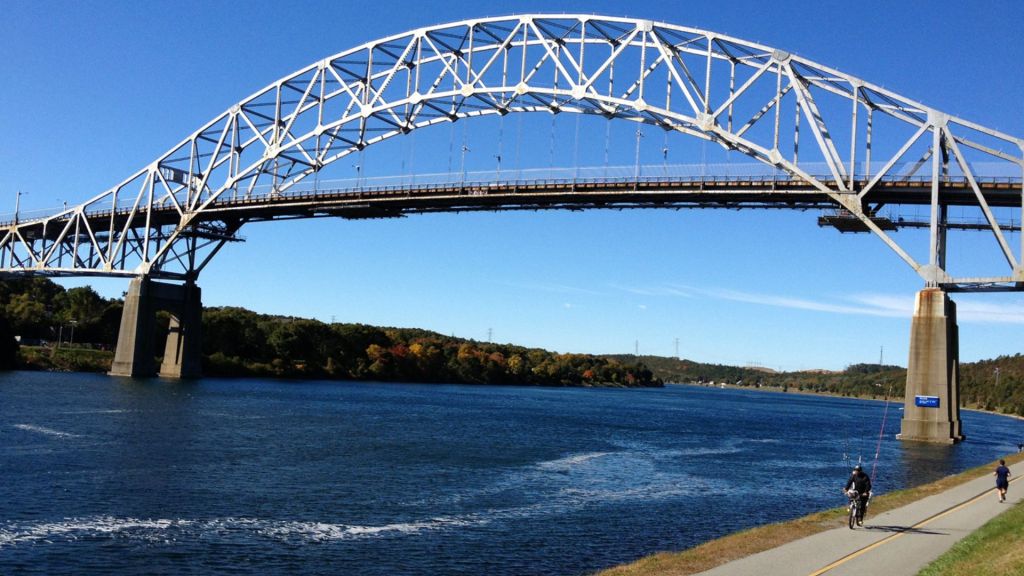
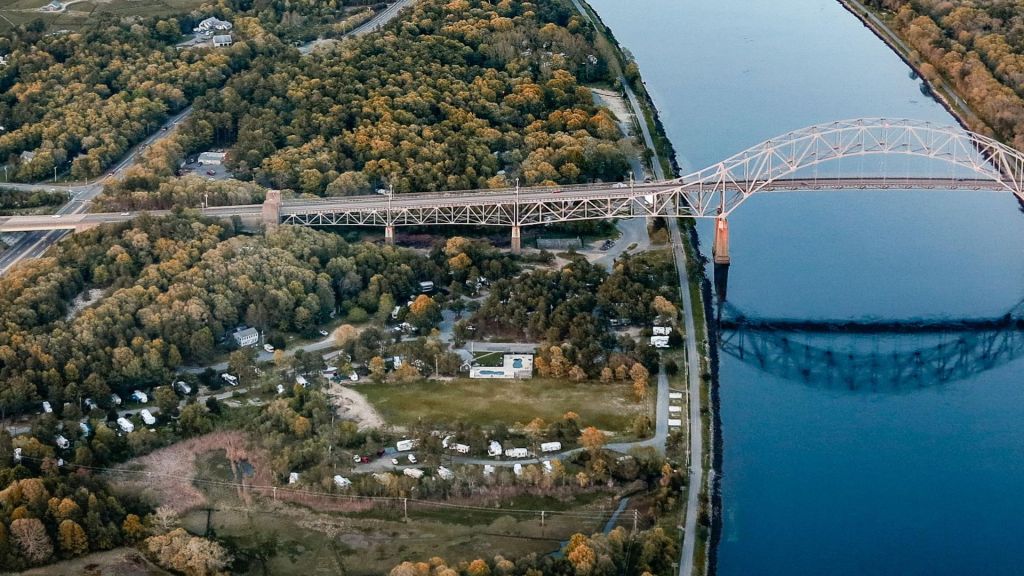
When traversing the Cape Cod Canal by boat, car, or bike, visitors will notice several prominent landmarks spanning its length. The Cape Cod Canal Visitor Center provides exhibits and information on the canal’s history from its early inception to current operations. Architectural gems dot the landscape like the railroad bridge completed in 1935. Its Scherzer rolling lift design preserves unobstructed navigation through the passage. Vehicle bridges also connect the mainland to Cape Cod at either end, including the Sagamore Bridge near the canal’s eastern entrance.
Recreational Opportunities
In addition to commercial and private vessels utilizing the canal for transportation purposes, many recreational enthusiasts are also drawn to this exceptional waterway. Anglers drop lines from the banks and small boats, reeling in popular catches like striped bass and bluefish. A pedestrian and bicycle path runs along the canal’s north side, presenting dazzling views with places to stop and picnic or take photos. The vertical lift railroad bridge also happens to be the longest such bridge in the world available for public access, making it a popular spot for sightseers.
Notable Wildlife Found in the Area
Abundant marine life relies on the habitat provided by Cape Cod Canal and surrounding shorelines. Pods of energetic seals can be observed lounging on rocks and beaches nearby. A diversity of brackish, freshwater, and saltwater fish species thrive in these waters that also support lush beds of shellfish. Various waterfowl and wading birds feed along the marshy fringes and roost on secluded islands tucked within the canal. During summer and fall, massive humpback whales pass offshore on their migrations, occasionally treating onlookers to a spectacle if one breaches the surface.
Cruises and Boat Tours
Getting out on the water provides memorable ways to experience Cape Cod Canal, learn about its history, and witness ship transits firsthand. Several companies operate narrated sightseeing tours that cruise sections of the canal while the captain provides commentary. Specialty cruises allow passengers to glimpse the impressive Cape Cod Canal Railroad Bridge in action as it lifts for tall-masted ships. Year-round boat excursions also travel through the canal locks astern freighters, tugs, research vessels, and more negotiate the narrow passage.
Annual Events and Festivals
On Labor Day weekend, the Cape Cod Canal region celebrates the economic impact, transportation significance, and rich history of the canal with a popular festival. Events include musical performances, historical reenactments, children’s activities, craft vendors and a fireworks show over the water. Hundreds of spectators also line the shores to observe participants plunging into the frigid canal on New Year’s Day during the annual Polar Bear Plunge benefiting local charities.
Impact on the Local Economy
The Cape Cod Canal has profoundly impacted southeastern Massachusetts, driving tourism and commerce to villages near its banks. Several family-owned shops, galleries, marinas, restaurants, and hotels cater to recreational canal goers in the summer. Year-round the canal generates economic activity, supporting many jobs related to the fishing industry, boatyards, shipping agents, pilots and more. This modern engineering marvel holds invaluable advantages for marine transit and continues to invigorate the region more than a century after its long-awaited completion.