The Rich History of Key West’s Harbor

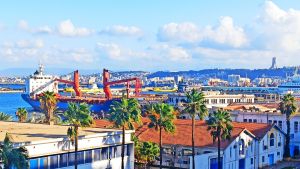
The story of the Port of Key West reads like a thrilling maritime novel, filled with colorful characters and pivotal moments that have shaped its destiny. The port has seen a lot of growth and change over the centuries. It used to be a small fishing village and is now a popular spot for cruise ships.
From Pirates to Presidents: Notable Visitors
Imagine standing on the docks of Key West, watching history unfold before your eyes. The port has welcomed an astonishing array of visitors over the years. In the 18th and early 19th centuries, infamous pirates like Blackbeard and Anne Bonny sought refuge in its sheltered waters. Fast forward to more recent times, and you’ll find U.S. Presidents like Harry Truman and John F. Kennedy enjoying the tropical allure of Key West, often arriving by sea.
But it’s not just the famous faces that make this port special. Every day, countless sailors, merchants, and adventurers have passed through, each adding their own unique thread to the rich tapestry of Key West’s maritime heritage.
Strategic Location and Natural Advantages
The Port of Key West didn’t become a maritime powerhouse by accident. Its success comes from being strategically placed and having natural features that make it a great harbor.
Geographic Positioning: Gateway to the Caribbean
Picture a map of the southeastern United States, and you’ll quickly grasp why Key West holds such significance. Situated at the southernmost point of the continental U.S., the port serves as America’s front door to the Caribbean. Because it is in a good spot, ships going between the Atlantic Ocean, the Gulf of Mexico, and the Caribbean Sea stop there often.
Natural Deep-Water Harbor: A Maritime Asset
Mother Nature has been exceptionally kind to Key West, gifting it with a natural deep-water harbor that’s the envy of many other coastal cities. This geological jackpot allows the port to accommodate large vessels without extensive dredging, making it an attractive destination for cruise ships and cargo vessels alike.
The crystal-clear waters surrounding the port also offer excellent visibility, enhancing navigation safety and adding to the overall appeal for both commercial and recreational boaters.
Modern Infrastructure and Facilities
While the Port of Key West cherishes its rich history, it doesn’t live in the past. The harbor boasts state-of-the-art facilities that cater to the needs of 21st-century maritime traffic.
Cruise Ship Terminals: Welcoming Global Travelers
The port’s crown jewels are undoubtedly its cruise ship terminals. These modern marvels of engineering and hospitality handle millions of passengers each year with efficiency and style. The Mallory Square Dock, Outer Mole Pier, and Navy Mole Pier each offer unique advantages, allowing multiple large cruise ships to dock simultaneously.
Passengers stepping off these floating cities find themselves immediately immersed in the charm of Key West, with easy access to the island’s famous attractions, restaurants, and shops.
Cargo Operations: Supporting Local Economy
While cruise ships may steal the spotlight, the Port of Key West’s cargo facilities play a crucial role in supporting the local economy. The port handles a variety of goods, from fresh seafood to construction materials, ensuring that the islands have a steady supply of necessities and luxuries alike.
The cargo operations at the port also showcase an impressive level of efficiency, with modern cranes and storage facilities allowing for quick turnaround times and minimal disruption to the bustling tourist areas.
Economic Impact on Key West and Beyond

The Port of Key West isn’t just a place where ships come and go – it’s an economic powerhouse that drives prosperity throughout the Florida Keys and beyond.
Tourism: The Lifeblood of the Port
Tourism serves as the beating heart of Key West’s economy, and the port plays a starring role in this success story. Every year, hundreds of cruise ships arrive at the port and unload millions of excited tourists who can’t wait to discover the island’s unique charms.
These tourists inject a steady stream of cash into local businesses, from quaint souvenir shops to world-class restaurants. The economic ripple effect extends far beyond the immediate vicinity of the port, benefiting hotels, tour operators, and a myriad of other businesses across the Keys.
Job Creation and Local Business Support
The port’s impact on employment in Key West cannot be overstated. From longshoremen and customs officials to tour guides and shopkeepers, countless local residents owe their livelihoods to the steady flow of maritime traffic.
Moreover, the port’s activities support a wide range of ancillary businesses, from ship chandlers and marine mechanics to logistics companies and transportation providers. This diverse ecosystem of maritime-related industries adds depth and resilience to the local economy.
Environmental Stewardship and Sustainability Efforts
In a time when people are becoming more aware of the environment, the Port of Key West is at the top of environmentally friendly shipping methods. The port authorities recognize their responsibility as stewards of the delicate marine ecosystem that surrounds the Keys.
Coral Reef Protection Initiatives
The vibrant coral reefs that surround Key West are not just a tourist attraction – they’re a vital part of the marine ecosystem. The port has implemented stringent measures to protect these underwater treasures from the potential impacts of increased maritime traffic.
These efforts include carefully planned shipping lanes, advanced navigational systems to prevent groundings, and strict regulations on wastewater discharge from vessels in port. The result? A harmonious coexistence between bustling maritime activity and thriving marine life.
Clean Marina Program: Setting the Standard
The Port of Key West proudly participates in the Florida Clean Marina Program, demonstrating its commitment to environmental best practices. This voluntary state initiative encourages marinas to adopt proactive measures to protect coastal waters.
From proper disposal of hazardous materials to the use of environmentally friendly cleaning products, the port sets a high standard for maritime environmental stewardship. These steps not only protect the Keys’ natural beauty, but they also help the port’s image as a responsible player in the world’s maritime industry.
Future Developments and Expansion Plans
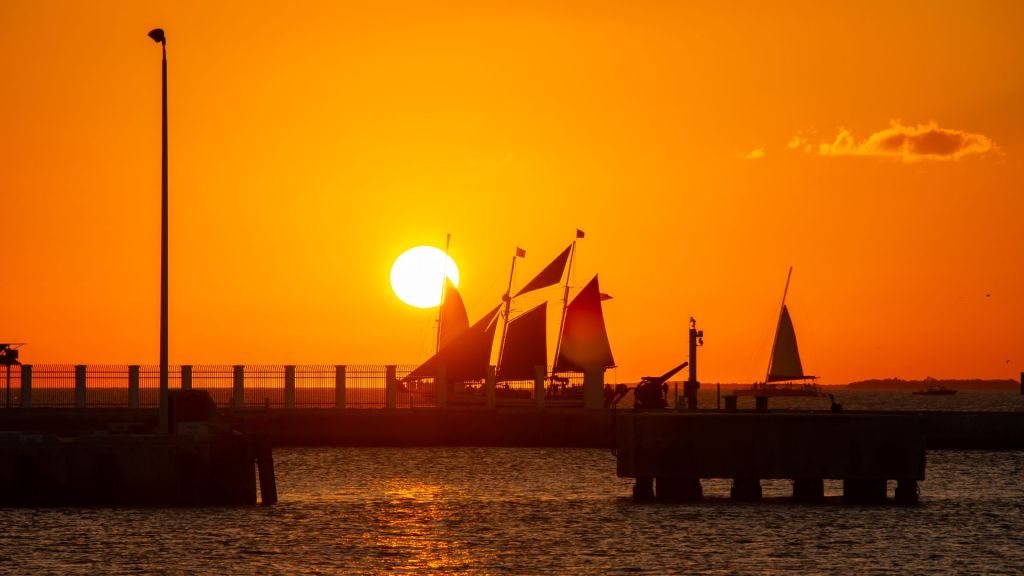
As the maritime industry evolves, so too does the Port of Key West. The port authorities have their sights set firmly on the future, with ambitious plans to enhance capacity, improve efficiency, and stay ahead of emerging trends.
Balancing Growth with Community Needs
It’s hard for the port to figure out how to handle growth while keeping Key West’s special character. Plans for expansion are carefully weighed against the need to maintain the island’s charm and protect its natural resources.
Public consultations and environmental impact studies play a crucial role in shaping the port’s development strategy. The goal? To create a port that serves as both an economic engine and a source of pride for the local community.
Technological Advancements in Port Operations
The Port of Key West is embracing cutting-edge technology to streamline operations and enhance safety. From advanced cargo tracking systems to state-of-the-art security measures, the port is positioning itself as a leader in maritime innovation.
One exciting area of development is the integration of artificial intelligence and machine learning into port management systems. These technologies promise to optimize everything from berth allocation to energy consumption, paving the way for a smarter, more efficient port.
In our world where everything is connected, the Port of Key West is a reminder of how important maritime trade and tourists are. It is one of the best ports in the United States because of its long history, strategic position, and modern facilities. The Port of Key West is still dedicated to balancing economic growth with environmental responsibility, even as it faces the challenges of the 21st century. This will ensure that it stays an important part of the region’s prosperity for many years to come. If you’re on a trip, shipping goods, or just interested in maritime history, the Port of Key West is a fascinating place to see the past, present, and future of seafaring adventure.