
The Port of Lerwick: Strategic Location and Rich History
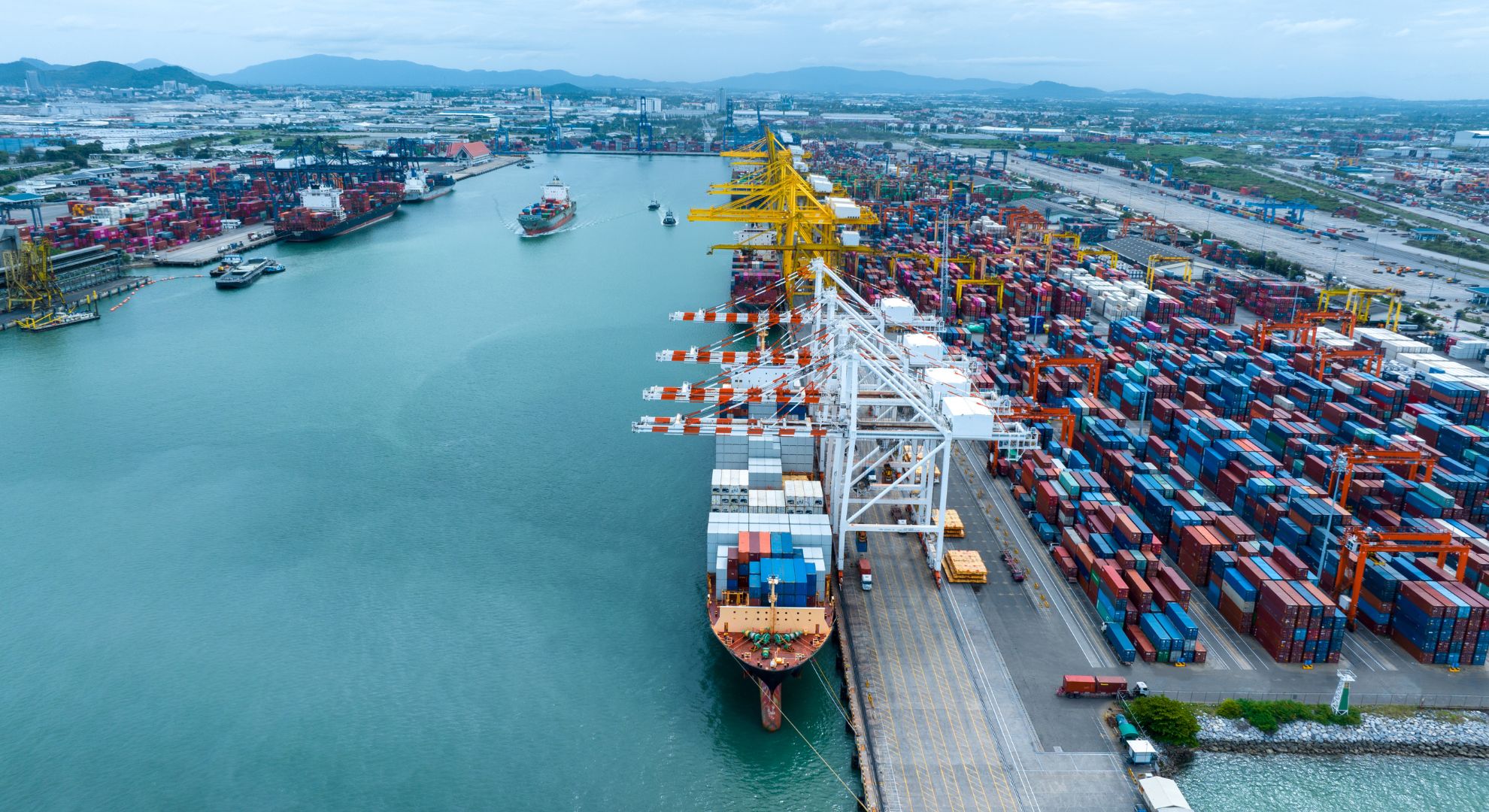
Situated in Lerwick, the capital of the Shetland Islands, the Port of Lerwick is the primary seaport of the region. Over the course of several centuries, Lerwick has transformed from a sleepy fishing town into a thriving port town that welcomes more than five thousand ships per year. This port is the most northern in the UK and serves as a critical waypoint for ships sailing to and from Scandinavia.
The port’s deep-water harbor and sheltered berthing, supported by two entrances, make it accessible to shipping in all weather conditions. The harbor operates around the clock, ensuring uninterrupted maritime activity. The Port of Lerwick’s strategic location, combined with its state-of-the-art facilities, has made it a preferred port of call for commercial fishing vessels, ferries, and cruise ships.
Navigational Advantages and Facilities

The Port of Lerwick offers a range of facilities for vessels of all sizes. Larger yachts can utilize the harbor wall with no restrictions on the size of the craft. For smaller boats, modern pontoons provide access at all tide stages. Essential services, including electricity connections, fresh water, and refuse disposal, are readily available.
In addition to these, the port offers dedicated berths for fueling, boatyard repairs, slipways, chandlery, electronics, and sail repair. The port’s comprehensive range of facilities ensures that vessels receive the necessary support for smooth operations.
Embracing Modernity: Investments and Developments
Over the years, Lerwick Port Authority has made significant investments to enhance the port’s infrastructure and services. Upgrades have included expanded berthing, improved access, safety measures, and enhanced services for yachts.
One of the highlights of this modernization drive is the construction of the Holmsgarth North jetty, a GBP 16.5 million project that has bolstered the port’s capacity to accommodate larger vessels. The jetty extends 800 m and has a maximum draft of 10 m. This new addition has reinforced Lerwick’s position as a major fishing port in the UK and has boosted its capacity to serve the offshore oil industry.
A Welcoming Gateway for Cruise Passengers
Lerwick Harbour has also become a popular destination for cruise ships, with nearly 50 ships docking in a single season. The port’s ability to handle cruise ships up to 205 meters in length has made it one of Scotland’s top cruise ship destinations.
For larger ships, Bressay Sound serves as an anchorage point. Passengers are then transferred to the floating pontoon in the sheltered dock near the town center. The entire process is facilitated by a small 1.7-meter tidal range.
Embracing Cruise Tourism: Facilities and Attractions
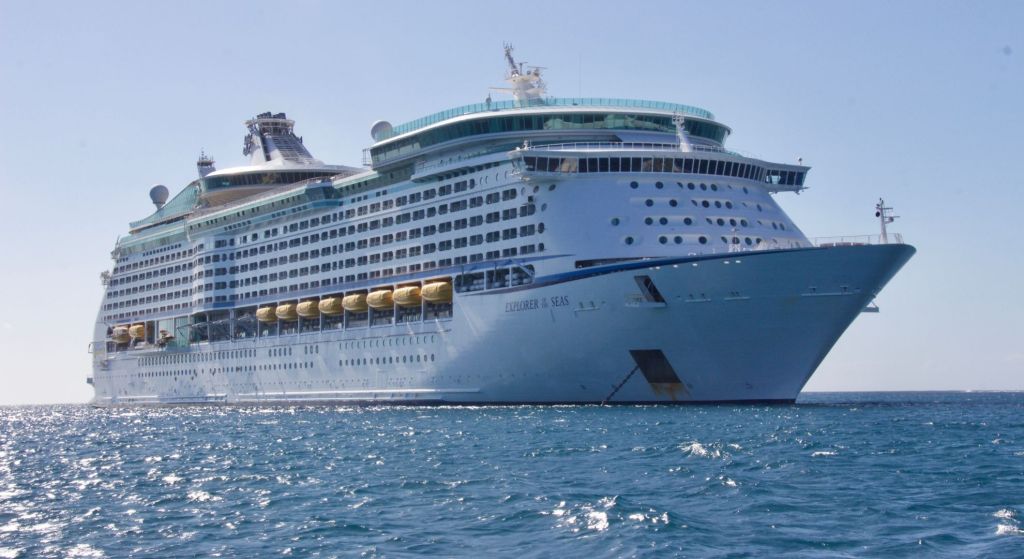
To cater to the influx of cruise passengers, Lerwick Port Authority has made significant investments in passenger-friendly facilities. A new welcome ashore pavilion, introduced in 2010, offers passengers a dedicated facility for orientation and information.
Moreover, the town of Lerwick itself is a treasure trove of attractions. From locally-owned shops selling local arts and crafts, confectionery, books, and traditional Shetland music to restaurants and bars within walking distance, Lerwick offers visitors a slice of Shetland’s vibrant culture and heritage.
Lerwick Harbour: More than a Port
Beyond its role as a commercial hub, the Port of Lerwick is deeply woven into the social fabric of the town. It is not just a point of arrival and departure but a social and economic catalyst that shapes the town’s character. The port is a focal point for community events, including the annual Norse fire festival, Up-Helly-Aa, held in January.
The port’s relationship with the town and its people is symbiotic – while the port benefits from the town’s vibrant social and cultural life, it also contributes significantly to the local economy, creating jobs and supporting local businesses.
Embracing the Future: Plans for Expansion

The Port of Lerwick has ambitious plans for the future. There are ongoing discussions about harbor dredging to increase the port’s maximum draft and accommodate larger vessels. Moreover, the port authority is also considering the construction of a new deep-water cruise berth in the town center. These planned developments are a testament to the port’s commitment to continuous improvement and growth.
Regulatory Compliance and Safety Measures
Lerwick Harbour places a high priority on regulatory compliance and safety. Vessels intending to call at the port must provide notification at least 24 hours in advance. This regulation applies to all ships of 300 gross tons and greater, fishing vessels and recreational craft of 45 meters and greater, and all vessels carrying dangerous or polluting goods. Strict adherence to these regulations ensures smooth operations and the safety of all vessels calling at the port.
The Port of Lerwick Harbour is not just a port; it is a symbol of Britain’s maritime heritage and a testament to the country’s nautical prowess. With its strategic location, modern facilities, and commitment to safety and regulatory compliance, the port is well-positioned to continue its legacy as the northernmost commercial harbor in the UK. As it looks to the future, the Port of Lerwick Harbour stands ready to embrace new opportunities and challenges, cementing its place as a vital gateway for Britain’s maritime industry.