The North Atlantic Treaty Organization (NATO) has been a cornerstone of international security since its inception in 1949. The United Nations North Atlantic Treaty Organization (NATO) was formed to provide collective defence for its member states in reaction to the growing Soviet menace. The shifting geopolitical climate and new threats to international security have forced NATO to adjust its mission. This article explores the impact of NATO defence on its member nations, examining the political, economic, and social effects while considering the alliance’s role in promoting stability and security.
The Political Impact of NATO Defence
Strengthening Alliances and Partnerships
NATO’s primary mission is to ensure the security and defence of its member countries. Doing so has significantly strengthened alliances and partnerships among member states. An attack on one member is deemed an attack on all members of the organization, according to the collective defence principle codified in Article 5 of the NATO Treaty. This principle has fostered a sense of unity and mutual trust among member nations, ensuring that each country stands ready to support the others in times of crisis.
Political Stability and Influence
NATO membership has often been associated with political stability for member nations. The assurance of collective defence deters potential aggressors and provides a secure environment for democratic processes to flourish. Additionally, NATO’s influence extends beyond military matters; it plays a crucial role in diplomatic efforts and conflict resolution, enhancing the political clout of its member states on the global stage.
The Economic Impact of NATO Defence
Defense Spending and Economic Growth
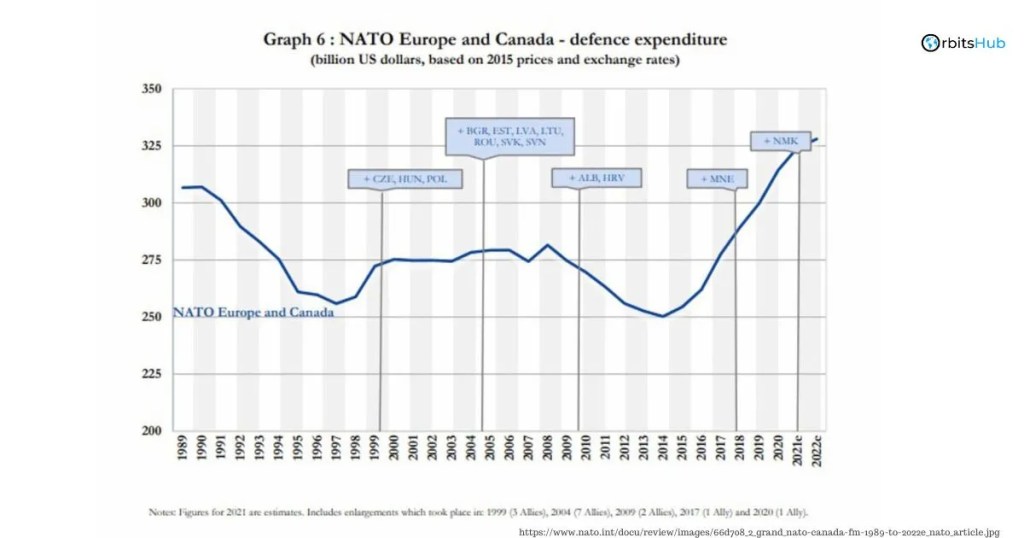
One of the significant economic impacts of NATO defence on member nations is the requirement to meet defence spending commitments. NATO encourages its members to allocate at least 2% of their GDP to defence. While this can be a financial burden, it also stimulates economic growth by creating jobs, fostering technological innovation, and supporting industries related to defence and security.
Shared Resources and Economic Collaboration
NATO facilitates economic collaboration among member states through shared resources and joint projects. By pooling resources for common defence initiatives, member nations can achieve economies of scale, reducing individual costs and enhancing overall efficiency. This collaborative approach strengthens defence capabilities and fosters economic ties and interdependence among member countries.
The Social Impact of NATO Defence
Enhancing Security and Quality of Life
The primary social impact of NATO defence is the enhanced security and quality of life for citizens in member nations. By providing a stable and secure environment, NATO enables countries to focus on social development, healthcare, education, and other critical areas that directly affect the well-being of their populations. The assurance of protection allows citizens to live without the constant fear of external threats.
Promoting Democratic Values and Human Rights
NATO’s commitment to democratic values and human rights has a profound social impact on member nations. The organization promotes principles such as the rule of law, individual liberty, and peaceful resolution of disputes. By adhering to these values, NATO members are encouraged to uphold high governance standards, transparency, and respect for human rights, contributing to more equitable and just societies.
NATO Defence and Global Security
Crisis Response and Humanitarian Assistance
NATO’s role extends beyond traditional military defence and is crucial in crisis response and humanitarian assistance. The alliance has been involved in various humanitarian missions, providing aid and support in the aftermath of natural disasters, conflicts, and other emergencies. This aspect of NATO’s work underscores its commitment to global security and stability, benefiting member nations and the international community.
Counterterrorism and Cybersecurity
In today’s interconnected world, NATO’s defence strategies have evolved to address emerging threats such as terrorism and cybersecurity. The alliance collaborates on intelligence-sharing, joint training exercises, and coordinated responses to terrorist activities. Additionally, NATO has developed robust cybersecurity protocols to protect member nations from cyberattacks, ensuring the security of critical infrastructure and information networks.
The Future of NATO Defence
Adapting to New Threats
It is becoming more difficult for NATO to respond to changing threats as the dynamics of global security change. Defence strategies must be adaptable and quick to respond to deal with the growing influence of non-state actors, cyber warfare, and power dynamics that are constantly changing. NATO’s ongoing efforts to modernize its capabilities and strategies ensure it remains prepared to address contemporary security challenges effectively.
Expanding Membership and Partnerships
NATO’s future also involves expanding its membership and forging new partnerships. Including new member states enhances the alliance’s collective strength and extends its influence. Additionally, NATO’s partnerships with non-member countries and international organizations contribute to a more comprehensive and cooperative approach to global security.
The impact of NATO defence on member nations is multifaceted, encompassing political stability, economic growth, and social development. By fostering alliances, promoting democratic values, and ensuring security, NATO plays a pivotal role in enhancing the well-being of its members and contributing to global stability. As the alliance continues to evolve and adapt to new challenges, its importance in the international security landscape remains paramount.
To learn more about how NATO defence strategies and alliances can benefit your maritime and aviation operations, explore Orbitshub. Orbitshub is a leading consultancy service specializing in the marine and aviation sectors, providing expert advice and solutions tailored to your needs.