Port of Linz
As one of Austria’s major ports, the Port of Linz is a significant player in the nation’s economy and an important hub for international trade. Its dedication to sustainable operations, state-of-the-art facilities, and advantageous location set it apart from other ports globally. Whether you are a business looking to transport goods or a tourist exploring the beautiful city of Linz, the port stands ready to serve you.
The Historical Significance of the Port of Linz
Ancient Beginnings
With a history of Roman times, the city of Linz has always been strategically important. Ancient Romans established a fort in Linz, which they named Lentia. The port of Linz has been an important link between different parts of Europe and has seen many empires come and go.
Development Over Centuries
During the Holy Roman Empire, Linz was an important trading post connecting Poland, Bohemia, Italy, and the Balkans. During the Habsburg Empire, the city gained prominence as several influential figures, including Friedrich III, chose to reside in Linz. This period saw the city’s importance as a port increase significantly.
Industrialization and Modernization
The city underwent significant industrialization during the World Wars, especially under Nazi rule. Adolf Hitler, who spent his childhood in Linz, chose the city as a major cultural center under his regime. This led to dismantling factories in Czechoslovakia, which were then relocated to Linz. The city’s industrialization brought about significant changes to the port, making it a vital center for manufacturing and transporting chemicals and steel.
The Modern Port of Linz
Location and Strategic Importance
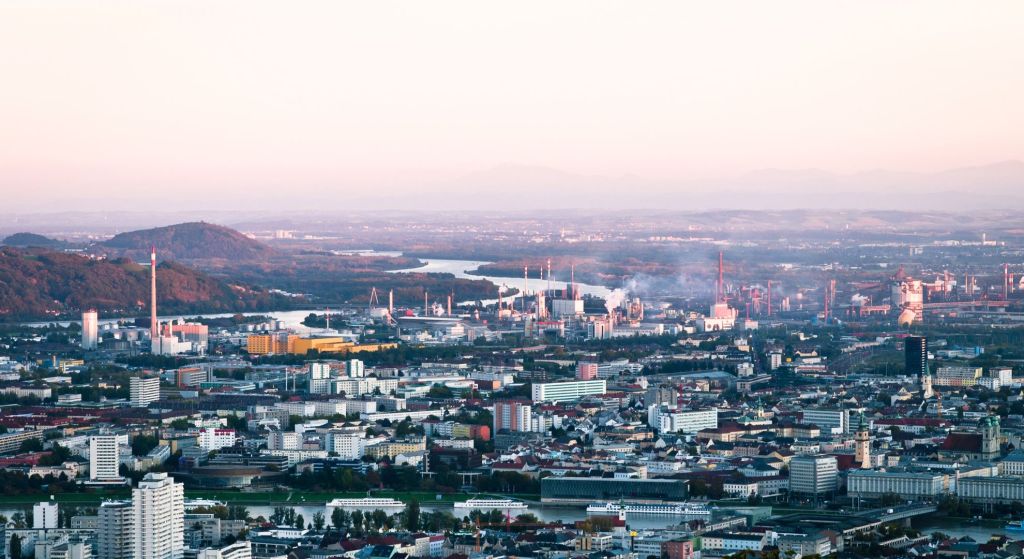
The Port of Linz is situated in Austria’s third-largest city, on the Danube River in Upper Austria. Serving as an essential center for transporting cargo and passengers, the port deals with various goods from coal and chemicals to steel and timber. Its strategic location makes it a critical transit point for goods traveling between Eastern and Western Europe.
Modern Facilities and Services
Spanning 150 hectares, the port boasts state-of-the-art facilities for cargo handling. It includes a logistics service center and a combination traffic center stretching 90,000 m2. The port also houses a container terminal and repair workshops for containers, along with 110,000 m2 of covered warehouse area and specialized storage for frozen and refrigerated items.
Economic Impact of the Port of Linz

Contribution to Austria’s Economy
The Port of Linz plays an instrumental role in Austria’s economy. It handles approximately 5.5 million tonnes of goods annually, contributing significantly to the country’s GDP. The port’s operations also create numerous direct and indirect jobs, further boosting the local and national economy.
Role in International Trade
The port serves as a critical artery for international trade. A wide range of goods pass through the port, making it a crucial link in global supply chains. Its prime positioning on the Danube and proximity to major highways and railroads make it an ideal hub for shipping commodities across Europe.
The Port’s Infrastructure
Physical Infrastructure
The Port of Linz’s impressive infrastructure facilitates efficient cargo handling and transportation. The port’s facilities include many quays, ample storage spaces, and state-of-the-art handling equipment. The port’s physical infrastructure is designed to accommodate various types of cargo and vessels, from container ships to bulk carriers.
Technological Infrastructure
The port utilizes advanced technology to streamline its operations. It employs sophisticated software systems for cargo tracking and inventory management, ensuring smooth and efficient operations. Technology also enhances the port’s security measures, ensuring the safety of goods and personnel.
Future Prospects

The Port of Linz is poised for future growth, with plans to expand and upgrade its facilities. The port has undertaken design studies to expand its tri-modal terminal to meet its increasing demands. The port’s development projects aim to increase its capacity to handle larger volumes of inland water, rail, and road transport flows.
Impact on Tourism
Linz is not just an industrial city. It also attracts many tourists each year, who come to explore its rich history and vibrant culture. The Port of Linz is crucial in the city’s tourism sector, serving as a gateway for tourists coming by river cruises. The port’s modern passenger facilities ensure a pleasant and convenient experience for visitors.
Environmental Considerations
The Port of Linz is committed to operating in an environmentally responsible manner. To lessen the toll that its operations take on the environment, it has put in place a number of measures. Activities such as reducing emissions, managing waste, and using renewable energy sources all come under this umbrella.
Safety and Security
Ensuring the safety and security of the port’s operations is a top priority. The Port of Linz employs stringent security measures, including surveillance systems, access controls, and regular security audits. The port also places a strong emphasis on safety, with rigorous safety protocols and regular training for its staff.
Challenges
Like any major port, the Port of Linz faces many challenges. These include managing the increasing cargo volume, maintaining the port’s infrastructure, adapting to technological changes, and meeting environmental and safety regulations. However, with its strategic planning and commitment to continuous improvement, the port is well-equipped to overcome these challenges.
The Port’s Role in the Community
The Port of Linz plays a significant role in the local community. It provides employment opportunities, contributes to the local economy, and supports local businesses. The port also participates in community outreach programs and supports various local initiatives.
Careers at the Port
Working at the Port of Linz offers exciting career opportunities. The port employs a diverse workforce, including dockworkers, engineers, administrators, and logistics professionals. The port provides its employees with competitive salaries, comprehensive benefits, and opportunities for professional development.
The Port of Linz is a testament to Austria’s industrial strength and strategic importance in global trade. With its rich history, state-of-the-art facilities, and robust operations, the port is essential to Linz, Austria, and Europe. The port will be pivotal in regional economic development and international trade as it expands and changes.