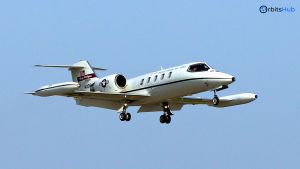
The F-4 Phantom II is one of the most iconic aircraft in aviation history. Designed by McDonnell Douglas, this twin-engine, all-weather, long-range supersonic jet interceptor and fighter bomber has left an indelible mark on military aviation. The F-4 Phantom II, often called the Phantom, played a pivotal role during the Cold War era and beyond, serving in various capacities across multiple air forces worldwide. This delves into the operational history of the Phantom II, exploring its real-world applications, combat missions, and enduring legacy.
The Birth of an Icon: Development of the F-4 Phantom II
The development of the Phantom II began in the mid-1950s, driven by the need for a new jet that could perform fighter and attack missions. Initially designed as a naval aircraft for the U.S. Navy, the Phantom quickly prove its versatility and was adopted by the U.S. Air Force and other military forces worldwide.
Design and Capabilities
The F-4 Phantom II was design to excel in air-to-air and air-to-ground roles. With its powerful engines, the aircraft could reach speeds exceeding Mach 2, making it one of the fastest jets of its time. The Phantom was equip with advanced radar and weapons systems, including the ability to carry various missiles and bombs. Its adaptability allowed it to perform a variety of missions, from surveillance and air superiority to ground attack and nuclear strike capabilities.
Operational History
The Phantom II saw extensive action during the Vietnam War, where it was used in both air combat and ground attack missions. Its ability to carry a large payload and robust performance made it a formidable presence in the skies. The Phantom achieved air superiority, with many successful engagements against enemy aircraft.
Combat Missions: The F-4 Phantom II in Vietnam
The F-4’s strengths in actual combat situations were laid bare during the Vietnam War. Bombing runs over North Vietnam and dogfights with opposing MiG fighters were only two of the many operations in which the plane was instrumental.
Air Superiority and Dogfights
One of the Phantom II’s most notable achievements was its performance in air-to-air combat. The Phantom engaged in numerous dogfights with North Vietnamese MiG-17 and MiG-21 fighters, proving its mettle as a superior combat aircraft. Its powerful radar and missile systems gave it an edge in detecting and engaging enemy aircraft at long ranges. However, the Phantom’s lack of a built-in cannon in its early models was a drawback, leading to the development of the F-4E variant, which included an internal M61 Vulcan cannon.
Ground Attack and Bombing Missions
In addition to air combat, the Phantom II excelled in ground attack roles. The aircraft was capable of carrying a wide range of bombs, including napalm and cluster munitions. It was heavily used in close air support missions, providing crucial firepower to ground troops during intense battles. The Phantom’s ability to carry out precision strikes against enemy positions made it a valuable asset in the conflict.
Electronic Warfare and Reconnaissance
The Phantom II was also adapt for electronic warfare and reconnaissance missions. The RF-4C variant, for example, was equip with advanced cameras and sensors, allowing it to gather vital intelligence on enemy movements and installations. Electronic warfare variants were used to jam enemy radar and communications, further enhancing the Phantom’s versatility in combat operations.
Legacy and Impact: The F-4 Phantom II’s Enduring Influence
The F-4 Phantom II’s operational success during the Vietnam War solidified its reputation as one of the most influential and versatile military aircraft. Even after the war, the Phantom served in various air forces worldwide, including those of Israel, Germany, Japan, and the United Kingdom.
Global Influence: The Phantom II’s impact extended far beyond the Vietnam War. It symbolized American military power during the Cold War, serving as a deterrent against potential adversaries. The aircraft’s versatility allowed it to be adapt to various roles, from intercepting Soviet bombers to conducting low-level strike missions.
Modernization and Continued Service: Many countries continued to use the Phantom II well into the 21st century, thanks to numerous upgrades and modernization programs. These upgrades included advanced avionics, radar, and weapon systems, ensuring the Phantom remained relevant in modern combat scenarios. The aircraft’s continued service is a testament to its robust design and enduring capabilities.
Training and Heritage: The Phantom II was also instrumental in the evolution of pilot education and training. The next generation of fighter pilots might be train on its challenging flight characteristics and intricate systems. The Phantom’s enduring impact is felt in the stories of its pilots and mechanics and the innumerable airshows it has grace with its imposing presence.
Technological Innovations: The Engineering Marvel of the F-4 Phantom II

- Advanced Radar Systems: The F-4 Phantom II’s state-of-the-art radar system, which included the Westinghouse AN/APQ-72, lets pilots engage enemy planes from great distances and in bad weather.
- Versatile Weaponry: One of the key innovations was its ability to carry various weapons, including air-to-air and air-to-ground missiles, bombs, and even nuclear weapons. This versatility made the F-4 Phantom II adaptable to multiple combat roles.
- Twin-Engine Power: The aircraft’s twin General Electric J79 engines provided exceptional thrust, enabling it to achieve speeds exceeding Mach 2. This powerful engine setup allowed the F-4 Phantom II to perform rapid intercept missions and engage in dogfights effectively.
- Multi-Role Capability: Unlike earlier fighters designed for specific roles, the F-4 was an actual multi-role aircraft capable of performing air superiority, ground attack, surveillance, and even naval operations.
- Innovative Airframe Design: The Phantom II featured a unique airframe with a large, flat wing and all-moving tailplane, contributing to its high-speed stability and maneuverability, setting it apart from other aircraft of its era.
Global Deployment: The F-4 Phantom II Across Allied Forces
- United States Air Force and Navy: Initially developed for the U.S. Navy, the F-4 Phantom II was quickly adopt by the U.S. Air Force due to its exceptional performance, becoming a staple in both branches throughout the Cold War.
- Royal Air Force and Royal Navy: The United Kingdom was one of the first international adopters of the Phantom II. Both the Royal Air Force and the Royal Navy utilized this aircraft, with modifications to suit their specific operational needs, such as adapting the engines for better performance in European climates.
- Israeli Air Force: With its critical role in air superiority and ground strike missions, the F-4 Phantom II was essential in its triumphs in battles like the Yom Kippur War.
- German Air Force: West Germany also deployed the F-4 for air defense and reconnaissance missions during the Cold War, providing a critical line of defense against potential Soviet aggression.
- Wide International Adoption: The aircraft’s reliability led to its adoption by over a dozen countries, including Japan, Greece, Turkey, and South Korea, making it one of the most widely deployed military aircraft in history.
Aerial Combat Tactics: How the F-4 Phantom II Dominated the Skies
- Beyond Visual Range Engagement: The F-4 Phantom II was one of the first aircraft capable of engaging enemy targets beyond visual range (BVR) using radar-guided missiles. This capability gave it a significant tactical advantage over enemy fighters reliant on close-range dogfighting.
- Dogfighting Prowess: Despite its initial design as a long-range interceptor, the F-4 Phantom II proved highly effective in close-range dogfights. Pilots developed advanced combat tactics, such as energy management and high-speed maneuvers, to outmaneuver more agile adversaries.
- Suppression of Enemy Air Defenses: The F-4 was instrumental in developing “Wild Weasel” missiles, which “was used to locate and destroy enemy surface-to-air missile (SAM) sites, clearing the way for other aircraft to operate safely.
- Precision Strike Capability: As technology advanced, the F-4 was equip with laser-guided bombs and other precision munitions, allowing it to conduct highly accurate strikes against strategic targets while minimizing collateral damage.
- Team Tactics: The F-4 Phantom II often operated in pairs or more prominent formations, utilizing coordinated tactics to overwhelm enemy defenses and ensure mission success, demonstrating the aircraft’s effective individual and group engagements.
Maintenance and Upgrades: Extending the Lifespan of the F-4 Phantom II
- Ongoing Airframe Modifications: Over its long service life, the F-4 Phantom II underwent numerous airframe upgrades to address issues such as metal fatigue and incorporate new technology, ensuring it remained combat-ready for decades.
- Avionics Upgrades: To keep pace with technological advancements, the F-4 received multiple upgrades, including improved radar systems, navigation equipment, and electronic warfare capabilities. These upgrades allowed the aircraft to maintain its effectiveness in modern combat scenarios.
- Engine Overhauls: Regular maintenance and upgrades to the F-4’s twin engines eF-4’s optimal performance. These overhauls often included replacing outdated components with more reliable and efficient parts, extending the aircraft’s operational lifespan.
- Preservation in Museums and Airshows: Today, many F-4 have been preserve in museums or flown in airshows worldwide. These aircraft are often meticulously maintain by enthusiasts and former military personnel, ensuring that the legacy of the F-4 endures.
The F-4 Phantom II in Popular Culture: A Symbol of Military Might
- Documentaries and Books: The aircraft has been the subject of countless documentaries, books, and articles, all of which highlight its role in significant historical events and its impact on modern air combat tactics and technology.
- Aviation Art and Memorabilia: The F-4 Phantom II has inspired many aviation art, including paintings, models, and other memorabilia. These items are popular among aviation enthusiasts and veterans alike, serving as a reminder of the aircraft’s storied history.
- Video Gamesaircraft’sPhantom II has appeared in numerous video games, particularly those focusing on flight simulation and military strategy. Players often get to experience piloting this iconic aircraft in realistic combat scenarios.
- Cultural Icon: Beyond its military service, the F-4 Phantom II has become a cultural icon, representing the era of jet-powered fighters and the technological advancements that defined the latter half of the 20th century. The design and development of current airplanes are still shape by its legacy.
The F-4 Phantom II remains an aviation legend, celebrated for its remarkable service record and enduring legacy. From its early days as a naval interceptor to its role as a multi-role combat aircraft, the Phantom has repeatedly proven its worth in various operation theatres. Its impact on military aviation is undeniable, and its influence can still be seen in modern aircraft design and tactics. As we reflect on the F-4 Phantom II’s storied history, we are reminded of the ingenuity and determination that made this aircraft one of the most iconic in the history of flight.
Explore the F-4 Phantom II and other legendary aircraft by visiting our website— Orbitshub – a maritime services platform that provides comprehensive insights into aviation and marine technology.