The C21 aircraft has emerged as a potential game-changer, promising to revolutionize air travel. While shrouded in mystery, whispers in the industry suggest a next-generation aircraft boasting advanced engines, cutting-edge aerodynamics, and a laser focus on passenger comfort and sustainability.
What is the C21 Aircraft?
Specific details about the C21 aircraft are still under wraps, as it might be in the early stages of development by a private company or consortium. However, based on industry whispers and educated guesses, the C21 is speculate to be a next-generation aircraft with several revolutionary characteristics:
- Advanced Propulsion System: The C21 could be power by a revolutionary new engine design. Possibilities include hybrid-electric technology, which combines traditional jet engines with electric motors for quieter and more fuel-efficient operation. It might also utilize alternative fuels like hydrogen, further reducing emissions.
- Improved Aerodynamics: The C21’s design might incorporate advanced aerodynamic features for better fuel efficiency and stability. These features could involve blended wing-body designs or active flow control systems.
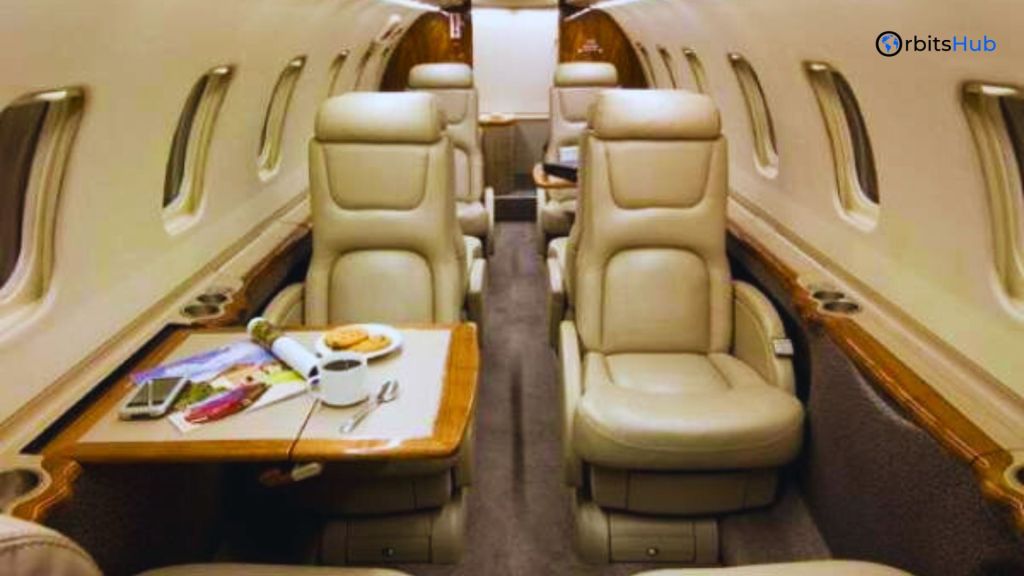
- Enhanced Passenger Experience: Passenger comfort will likely be a significant focus for the C21. Imagine more expansive cabins, oversized windows for panoramic views, and personalized in-flight entertainment systems. Additionally, features that mitigate turbulence could be incorporated for a smoother ride.
- Focus on Sustainability: The C21’s design is expect to prioritize environmental sustainability. This could be achieved through the advancements in the engine above, using lighter and recyclable materials in construction, and optimized flight paths to minimize noise pollution.
Potential Benefits of the C21 Aircraft

The introduction of the C21 aircraft could bring a wave of positive changes to the aviation industry:
- Reduced Environmental Impact: The C21’s focus on cleaner technologies and efficient operations could significantly reduce the aviation industry’s carbon footprint. The increasing worldwide interest in eco-friendly vacation options is a beautiful fit with this.
- Lower Operational Costs: The C21’s advanced engines and design could lead to lower fuel consumption and airline maintenance costs, which could lower passengers’ airfares.
- Enhanced Passenger Comfort: The focus on passenger experience with more expansive cabins, improved air quality, and advanced in-flight entertainment systems could make air travel a more enjoyable experience for everyone.
- New Routes and Opportunities: The C21’s potential for greater fuel efficiency and range could open up new routes and destinations, particularly for long-haul travel. This could benefit both airlines and passengers by creating new travel options.
The Future of Aviation with the C21
The C21 aircraft represents a significant step forward for the aviation industry. Its focus on sustainability, efficiency, and passenger comfort positions it as a potential game-changer that could redefine air travel in the years to come. While the exact specifications and timeline for the C21’s arrival remain to be seen, its potential impact is undeniable.
Challenges of Implementing the C21 Aircraft
Even with its promising potential, the C21’s journey from concept to reality might face some challenges:
- Technological Hurdles: Developing and integrating new propulsion systems like hybrid-electric or hydrogen fuel cells might require overcoming technical difficulties related to battery weight, power management, and infrastructure development.
- Regulatory Considerations: New aircraft designs must comply with stringent safety regulations set by aviation authorities. Obtaining certification for the C21’s novel technologies could be a lengthy process.
- Cost Considerations: Developing and deploying an entirely new aircraft design can be expensive. Airlines might hesitate to invest in the C21 aircraft until the economic benefits are proven and the technology matures.
Who Will Benefit Most from the C21 Aircraft?
The introduction of the C21 could have a significant impact on various stakeholders in the aviation industry:
- Airlines: Airlines seeking to reduce operational costs, improve fuel efficiency, and cater to environmentally conscious passengers could be early adopters of the C21.
- Passengers: Passengers who value comfort, efficiency, and a reduced environmental impact will likely prefer airlines operating the C21.
- Environmental Groups: The aviation industry’s push for sustainability aligns well with environmental groups’ goals. The C21’s focus on cleaner technologies could be a positive development for the environment.
- Manufacturers: If the aircraft is successful, companies involved in developing and manufacturing the C21 stand to gain significant revenue and market share.
Revolutionary Technologies Behind the C21 Aircraft
The C21 Aircraft is set to redefine aviation technology, leveraging groundbreaking innovations that promise to enhance efficiency and sustainability. Key technologies include:
- Hybrid-Electric Propulsion Systems: The C21 aims to reduce fuel consumption and emissions by combining traditional jet engines with electric motors, offering a quieter and more eco-friendly flight experience.
- Advanced Aerodynamics: The aircraft’s design features cutting-edge aerodynamic elements such as blended wing-body structures and active flow control systems, improving lift-to-drag ratios and fuel efficiency.
- Use of Alternative Fuels: The C21 can significantly reduce air travel’s carbon footprint by investigating hydrogen and other alternative fuels, aligning with worldwide sustainability objectives.
- Innovative Materials: Improving fuel efficiency and adding to the aircraft’s overall sustainability are achieved through using lightweight, durable, and recyclable materials.
How the C21 Aircraft Could Transform Air Travel
The introduction of the C21 Aircraft is poised to bring transformative changes to the air travel industry, influencing various aspects:
- Reduced Flight Costs: The C21’s advanced propulsion systems and efficient design could lower fuel and maintenance costs, potentially resulting in more affordable airfares for passengers.
- Expanded Route Networks: With improved fuel efficiency and range, the C21 can open up new, previously uneconomical routes, providing passengers with more travel options and destinations.
- Enhanced Environmental Performance: By prioritizing cleaner technologies and sustainable practices, the C21 supports the growing demand for eco-friendly travel options, appealing to environmentally conscious travelers.
- Increased Safety and Comfort: The aircraft’s state-of-the-art features, including turbulence mitigation systems and advanced cabin designs, promise a safer and more comfortable flying experience.
Innovations in Comfort and Design: Inside the C21
The C21 Aircraft is designed with passenger comfort and experience as a top priority, incorporating several innovative features:
- Spacious Cabins: The aircraft offers larger cabins with ample legroom and wider seats, ensuring a more comfortable journey for passengers.
- Panoramic Windows: Oversized windows provide breathtaking views and natural lighting, enhancing the in-flight experience and reducing the feeling of confinement.
- Personalized Entertainment Systems: Advanced in-flight entertainment options cater to individual preferences, allowing passengers to enjoy a customized experience with movies, music, and games.
- Enhanced Air Quality and Climate Control: The C21 features improved air filtration and climate control systems, maintaining optimal cabin conditions and reducing passenger fatigue on long flights.
Sustainability at the Core: The C21’s Green Initiative

Sustainability is a central focus of the C21 Aircraft, reflected in its design and operational strategies:
- Energy-Efficient Technologies: The C21 incorporates hybrid-electric engines and the potential use of hydrogen fuel cells, significantly reducing greenhouse gas emissions and fuel consumption.
- Recyclable and Lightweight Materials: Reduced total weight and improved fuel efficiency result from the aircraft’s construction using modern, recyclable materials.
- Noise Reduction Strategies: Innovative engine designs and aerodynamic features work together to minimize noise pollution, making the C21 a quieter option for urban airports and reducing the impact on local communities.
- Sustainable Manufacturing Processes: The production of the C21 emphasizes environmentally friendly practices, including energy-efficient manufacturing processes and reduced waste generation.
Navigating the Future: The Role of the C21 in Global Aviation
The C21 Aircraft is not just a technological marvel; it represents a pivotal shift in the future of global aviation:
- Driving Industry Standards: Adopting the C21’s advanced technologies could set new benchmarks for efficiency and sustainability, influencing future aircraft designs and industry standards.
- Boosting Airline Competitiveness: Airlines operating the C21 can leverage its cost-saving features and eco-friendly image to attract a broader customer base, particularly those prioritizing environmental responsibility.
- Supporting Global Mobility: The aircraft’s capabilities can facilitate the expansion of international travel, connecting more regions and supporting global trade and tourism.
- Aligning with Regulatory Trends: As governments and regulatory bodies increasingly emphasize environmental sustainability, the C21’s green technologies align with emerging policies, positioning it favorably in the regulatory landscape.
These points highlight the unique aspects of the C21 Aircraft and its potential impact on the aviation industry.
The C21 aircraft embodies the innovative spirit that propels the aviation industry forward. While details remain under wraps, its potential for cleaner skies, quieter operations, and a more enjoyable passenger experience is undeniable. There will be obstacles, but overall, the C21 is a giant stride towards a greener, more efficient aviation future.
Orbitshub, a leading consultancy services company in the maritime and aviation sector, can be your one-stop shop for industry insights, career guidance, and expert advice. Explore Orbitshub today and take flight with your future!