

Overview of the Port of St. John’s
The Port of St. John is situated on the eastern side of the Avalon Peninsula. John’s is proximate to the main shipping lanes of the North Atlantic and the Grand Banks offshore oilfield. It is a naturally sheltered, ice-free port, making it a crucial part of Canada’s maritime infrastructure.
The Port of St. John’s is more than just a maritime hub. It is also an economic powerhouse, a historical site, and a bustling city center. This port is fundamental to Newfoundland and Labrador’s economy, primarily serving as the primary service center for offshore oil operations. It also plays a significant role in fishery, accommodating up to 150 fishing vessels and serving as the distribution center for goods heading towards the hinterland.
John’s as a Strategic Maritime Hub

The Port of St. John’s is a strategic transportation hub primarily because of its location. It is the first economic gateway between North America and Europe, making it an ideal port for various industries.
St. John’s Port is also an important site for the cruise ship industry. It is a preferred destination for cruise ships, with its natural shelter and ice-free conditions providing a safe and convenient docking site.
Economic Impact of the Port
The Port of St. John’s economic contributions cannot be overstated. It is a powerful economic engine for the province of Newfoundland and Labrador. The port’s operations contribute significantly to the provincial GDP and generate direct and indirect jobs.
Infrastructure and Facilities of the Port

The Port of St. John’s is equipped with a range of facilities to handle different types of cargo. These include facilities for dry bulk, liquid bulk, general cargo, and containerized cargo. The port also has several berths for different kinds of vessels, from commercial ships to fishing vessels and cruise ships.
Port Operations
The St. John’s Port Authority (SJPA) oversees the daily operations and future planning for the port. They adopt a solutions-focused approach to innovate, collaborate, and improve, ensuring that the port moves forward as a community.
The Port of St. John’s and the Community
The SJPA is deeply involved in the community. It contributes a part of its annual operating income to community investment and provides scholarships to students. This community involvement reflects the Port of St. John’s commitment to not just economic growth but also social development.
Major Products Handled at the Port
The Port of St. John’s handles a diverse range of products. These include fish and fish products, iron ore, paper, pulp, manufactured goods, and general cargo.
Maritime Services at the Port
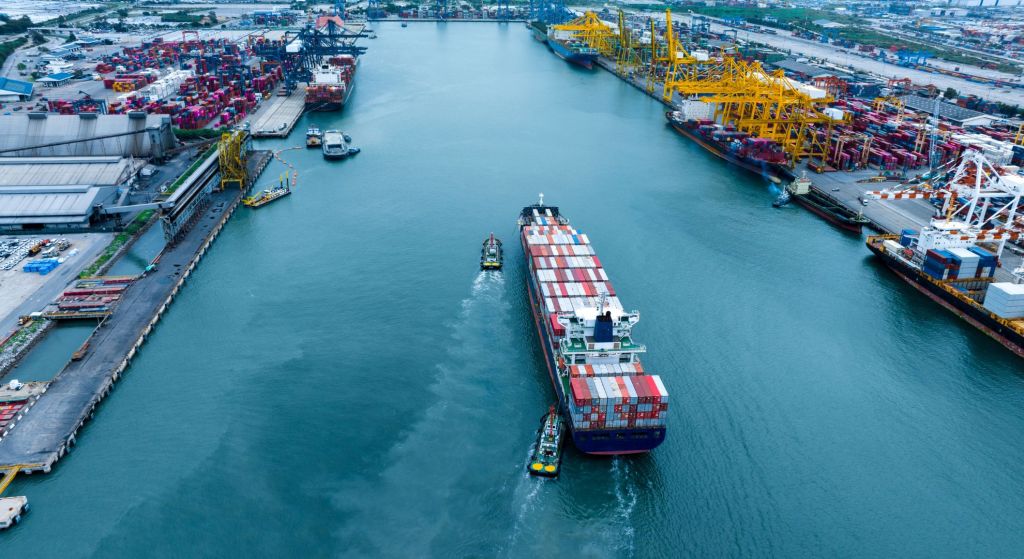
The Port of St. John’s provides a range of maritime services, including container traffic, offshore energy supply and service, fishing, marine maintenance, and cruise ships.
The Port’s Historical Significance
The Port of St. John’s holds a significant place in history. It has been visited by European explorers, adventurers, soldiers, and pirates for more than 500 years.
Future of the Port
As the steward of the port, the SJPA is dedicated to modernizing the port in a way that future generations will be proud of. With the continual improvements in facilities, introduction of new technologies, and enhancements in safety and security, the future looks promising for the Port of St. John’s.
The Port of St. John’s is more than just a port; it is an economic powerhouse, a vibrant community, and a symbol of Canada’s maritime history. Its strategic location, robust infrastructure, and commitment to growth and development make it a crucial part of Canada’s maritime industry.