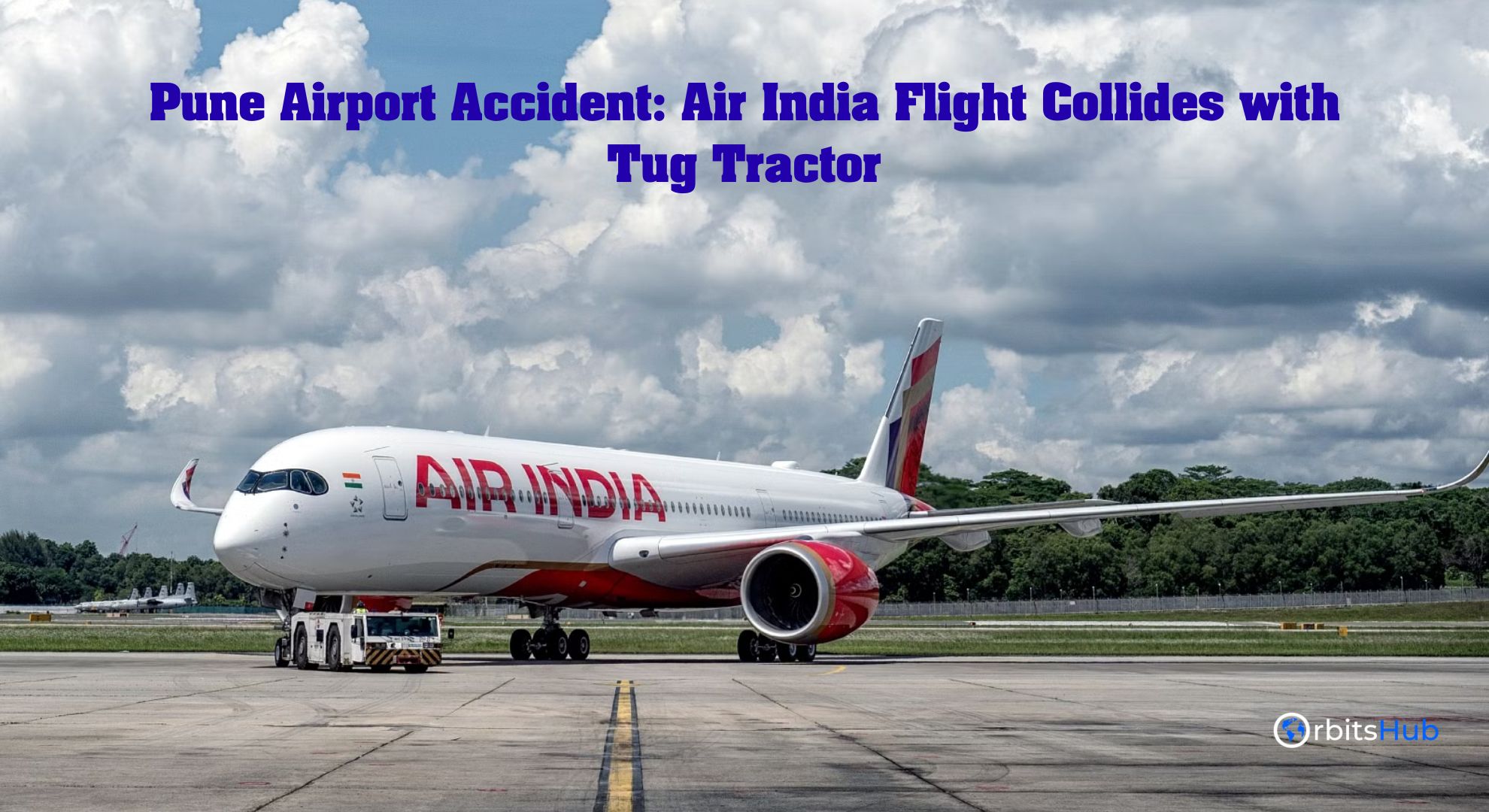
On the afternoon of May 16th, a startling incident unfolded at the Pune International Airport, causing a stir within the aviation community. An Air India flight, destined for the national capital Delhi and carrying approximately 180 passengers, collided with a tug tractor while taxiing on the runway. Although no injuries were reported, the collision resulted in substantial damage to the aircraft, prompting immediate action from airport authorities.
The Collision: A Dramatic Sequence of Events
According to eyewitness accounts and official statements, the Air India flight had initiated the standard taxiing procedure, preparing for takeoff. However, during this critical phase, an unforeseen mishap occurred – a tug tractor, a specialized vehicle used to manoeuvre aircraft on the ground, inadvertently struck the aircraft.
The impact was significant, resulting in visible damage to the aircraft’s nose and a punctured tyre near the landing gear. Despite the seriousness of the crash, the flight crew and airport staff moved quickly to follow emergency procedures, protecting everyone on board.
Immediate Response and Passenger Evacuation
Within moments, the airport’s emergency response team sprang into action, initiating a well-coordinated evacuation procedure. All 180 passengers were promptly disembarked from the aircraft and escorted to designated safe areas within the airport premises.
Airport officials commended the professionalism and efficiency of the crew and ground staff, who prioritized passenger safety throughout the ordeal. Temporary accommodation and refreshments were arranged for the stranded travellers, and alternative travel arrangements were swiftly coordinated.
Refunds, Re Bookings, and Onward Connections: Air India
Air India recognized the issue and detailed the steps taken to alleviate passengers’ inconvenience in a statement. The airline offered full refunds to those who wished to cancel their journey and complimentary rebookings for those willing to continue their travel plans.
Furthermore, Air India ensured that passengers with onward international connections were accommodated on alternative flights, minimizing disruptions to their itineraries. The airline’s commitment to customer satisfaction was evident in its proactive approach to addressing the needs of affected travellers.
Investigation and Regulatory Oversight
The aviation regulatory authority in India, the General Directorate of Civil Aviation (DGCA), wasted no time in starting an investigation. A team of experts was dispatched to Pune Airport to gather evidence, review operational procedures, and determine the root cause of the collision.
Preliminary reports suggest that the tug tractor responsible for positioning the aircraft on the ground may have deviated from its intended path, leading to the unfortunate collision. However, the DGCA’s comprehensive investigation aims to uncover any potential lapses in safety protocols or operational procedures that may have contributed to the incident.
Airport Operations and Flight Resumption
Despite the disruption caused by the accident, Pune Airport authorities worked tirelessly to minimize the impact on overall operations. While the affected Air India aircraft was temporarily grounded for thorough inspections and necessary repairs, the airport’s other runways remained operational, allowing for the smooth continuation of scheduled flights.
Within a short period, the damage aircraft underwent rigorous checks and was deem airworthy, enabling its return to service. The airport’s commitment to maintaining efficient operations while prioritizing safety was commendable.

Enhancing Safety Measures and Preventive Strategies
The Pune Airport accident has underscored the importance of maintaining stringent safety protocols and fostering a culture of vigilance within the aviation industry. Airport authorities and airline operators are expect to review their existing procedures, identify potential vulnerabilities, and implement robust measures to prevent similar incidents from occurring in the future.
Initiatives such as enhance ground crew training, improved communication channels between various stakeholders, and the integration of advanced aircraft monitoring and guidance technologies are likely to be explore. The overarching goal is to fortify the aviation ecosystem, ensuring the utmost safety and security for passengers, crew members, and airport personnel.
Passenger Perspectives and Commendations: Pune Airport Accident
After the incident, many passengers thanked the airline and airport personnel for their quick responses and shared their stories on social media. While the initial shock and uncertainty were palpable, many commended the professionalism and composure exhibited by the crew members, who prioritized their well-being throughout the ordeal.
Stories of kindness and empathy from fellow passengers also emerged, highlighting the resilience of the human spirit in the face of adversity. The collective appreciation for the swift action taken by authorities reinforced the aviation industry’s commitment to passenger safety.
Lessons Learned and Future Outlook
Accidents like the one at Pune Airport highlight the need for strict safety regulations and the dangers of air travel. While incidents of this nature are rare, they underscore the need for constant vigilance, proactive risk mitigation strategies, and a relentless pursuit of excellence in aviation safety.
The aviation industry is expect to leverage the lessons learn from this incident to fortify its safety measures, enhance training programs, and foster a culture of continuous improvement. If the aviation sector continues to embrace innovation, technology breakthroughs, and stakeholder engagement, air travellers worldwide may rest assured that their safety is our top priority.
Regulatory Oversight and Industry Collaboration
Another important takeaway from the disaster at Pune Airport is the critical role that regulatory agencies like the DGCA play in keeping aviation safety standards high and promoting accountability among industry professionals. These groups work to find security holes and take preventative actions to fix them by conducting thorough investigations, analyzing data, and collaborating with other stakeholders in the sector.
Airline companies, airports, and regulatory agencies must collaborate and share information seamlessly to avoid incidents like this. Such initiatives may teach the industry a valuable lesson about the importance of being open and honest with one another, which could lead to the spread of best practices and, eventually, the establishment of uniform safety protocols across the board.
Technological Advancements and Safety Innovations
The aviation sector is anticipate to swiftly implement state-of-the-art technologies and creative methods to bolster safety protocols following the incident at Pune Airport. Integrating modern technologies can significantly reduce the risk of such incidents, from advanced ground handling equipment with built-in collision avoidance systems to sophisticated aircraft tracking and monitoring platforms.
Additionally, the industry may explore implementing advanced training simulations and virtual reality environments, which would allow ground crew and flight personnel to hone their skills and prepare for various emergency scenarios in a controlled and safe setting.
Passenger Confidence and Industry Resilience
Despite the unsettling nature of the Pune Airport accident, the aviation industry’s unwavering commitment to passenger safety remains a cornerstone of its operations. Airlines and airport authorities worldwide have consistently demonstrated their ability to adapt, learn, and implement robust measures in response to such incidents, fostering a culture of continuous improvement.
Communicate honestly, take safeguards, and prioritize safety to regain passenger trust and keep the industry a top transit option.
Unwavering Commitment to Safety – Air India
Accidents like the one at Pune Airport highlight the dangers and difficulties of flying. However, they also underscore the industry’s resilience, its ability to respond swiftly and effectively in times of crisis, and its unwavering commitment to passenger safety. As investigations continue and lessons are learn, the aviation community remains united in its pursuit of excellence. It continuously strives to enhance safety protocols, embrace technological innovations, and foster a culture of vigilance and collaboration. By working together, airlines, airports, regulatory bodies, and industry stakeholders can ensure that air travel remains a safe and secure mode of transportation, instilling confidence in passengers and upholding the highest safety and security standards.
Are you ready to elevate your maritime and aviation operations? Explore OrbitsHub today and discover a world of consultancy services designed to optimize your efficiency and safety. Whether you need expert advice, strategic planning, or innovative solutions, OrbitsHub is here to navigate you towards success.