


Along the sun-kissed shores of Kerala’s Malabar Coast, where the Arabian Sea whispers ancient tales to the coconut palms, lies a bustling hub of maritime activity—the Puthiyappa Fishing Harbour. This vibrant port, nestled in the heart of Kozhikode (formerly Calicut), is a testament to the region’s rich fishing heritage and pivotal role in Kerala’s economy.
A Day in the Life of Puthiyappa
As the first rays of dawn paint the sky in hues of orange and pink, Puthiyappa Fishing Harbour springs to life. The air fills with a cacophony of sounds—the rhythmic hum of boat engines, the cries of seagulls, and the animated chatter of fishermen preparing for their daily voyage.
“Every morning is a new adventure,” exclaims Rajan, a veteran fisherman with salt-weathered skin and eyes that sparkle like the sea. “The ocean is our mother, and Puthiyappa is her loving embrace.”
Boats of all sizes—from small traditional canoes to larger mechanized trawlers—dot the harbor, their colorful hulls creating a picturesque scene against the backdrop of the vast Arabian Sea. The harbor buzzes with activity as ice is loaded, nets are mended, and hopes are pinned on a bountiful catch.
From Ancient Trade to Modern Marvel
Puthiyappa’s story is intricately woven into the tapestry of Kozhikode’s history. Once a quiet fishing village, it has become one of Kerala’s most important fishing harbors. But its roots run deep, harking back to when Kozhikode was a significant spice trading port, attracting merchants from China and the Middle East.
“You can almost hear the echoes of history here,” muses Dr. Anita Nair, a local marine historian. “Where once exotic spices were loaded onto dhows bound for distant lands, now we see a thriving fishing industry that feeds millions.”
A Statistical Snapshot
The numbers paint a vivid picture of Puthiyappa’s significance:
Click on a fish to learn more!
“Puthiyappa isn’t just a harbor,” Fisheries Officer Suresh Kumar declares. “It’s the beating heart of Kozhikode’s economy!”
A Mosaic of Marine Life
The waters off Puthiyappa are teeming with a diverse array of marine life. From the prized seer fish and pomfret to the humble sardine and mackerel, the catch reflects the rich biodiversity of the Arabian Sea.
But it’s not just about quantity. The quality of fish from Puthiyappa is renowned across Kerala and beyond. “Our fish? Oh, they’re the freshest you’ll find!” boasts Lakshmi, a fish vendor at the harbor’s bustling market. “From sea to plate in hours—that’s the Puthiyappa promise!”
Navigating Challenges, Charting Progress
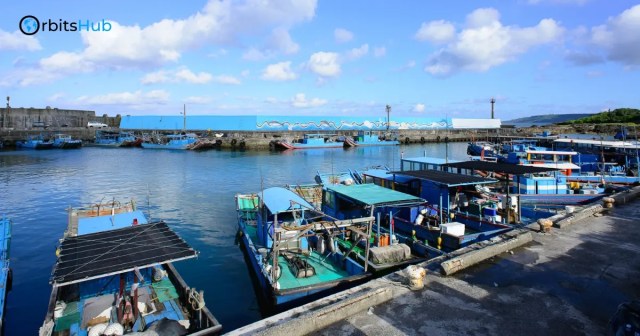
Like many fishing communities worldwide, Puthiyappa faces its share of challenges. Climate change, overfishing, and pollution threaten the delicate marine ecosystem. But the resilient spirit of the Puthiyappa community shines through.
Initiatives for sustainable fishing practices are gaining momentum. Furthermore, the harbor has implemented strict regulations on mesh size and fishing seasons to protect juvenile fish populations. As a result, the ecosystem is given a chance to replenish and thrive. In addition, Joseph, a young fisherman passionate about conservation, explains, “We’re not just fishing for today. We’re preserving the sea’s bounty for our children and grandchildren.”
Recognizing Puthiyappa’s importance, the government has invested heavily in modernizing the harbor. A state-of-the-art fish landing center, ice plants, and cold storage facilities have been established, elevating Puthiyappa’s status as a model fishing harbor.
Beyond the Catch: Puthiyappa’s Cultural Tapestry
Puthiyappa is more than just a place of commerce; it’s a vibrant community with a unique culture shaped by centuries of maritime tradition. The annual ‘Kadalora Utsavam’ (Coastal Festival) is a spectacular celebration of this fishing heritage, drawing visitors from across Kerala.
The harbor is also becoming an unlikely tourist attraction. “Visitors are fascinated by the organized chaos of a working fishing port,” says local tour guide Priya. “It’s raw, it’s real, and it’s a glimpse into a way of life that’s fast disappearing in many parts of the world.”
Innovation on the Horizon

As Puthiyappa sails into the future, innovation is at the forefront. Plans are underway to harness solar energy to power the harbor’s facilities, making it one of India’s first eco-friendly fishing ports. There’s also talk of introducing aquaculture projects to supplement traditional fishing methods.
“We’re not just preserving tradition; we’re creating new ones,” proudly asserts Dr. Nair. “Puthiyappa is where the past and future of Kerala’s fishing industry converge.”
A Symphony of the Sea
As the sun dips below the horizon, painting the sky in breathtaking hues, Puthiyappa transforms again. The day’s catch has been sold, the boats are moored, and a sense of calm descends upon the harbor. But this is merely an intermission in Puthiyappa’s never-ending performance.
In the words of local poet Basheer: “Puthiyappa is a symphony composed by the sea, conducted by the fishermen, and enjoyed by all of Kerala. Each wave brings a new note, each boat a new instrument, in this eternal concert of life and livelihood.”
As the harbor lights twinkle like stars reflected on the water, one thing becomes clear—Puthiyappa Fishing Harbour isn’t just a jewel of the Malabar Coast; it’s the crown jewel of Kerala’s maritime legacy.
Frequently Asked Questions
A: Puthiyappa stands out for its size, handling capacity, and modern facilities. It’s one of the largest fishing harbors in Kerala, capable of accommodating up to 500 boats. The harbor’s state-of-the-art fish landing center, ice plants, and cold storage facilities make it a model for other ports. Its rich history, dating back to Kozhikode’s spice trade era, also gives it a unique cultural significance.
A: Puthiyappa is taking several steps to address environmental issues. The harbour has implemented regulations on mesh size and fishing seasons to prevent overfishing and protect juvenile fish populations. There are ongoing initiatives to promote sustainable fishing practices among the local fishing community. Furthermore, there are plans to make Puthiyappa one of India’s first eco-friendly fishing ports by harnessing solar energy to power its facilities, demonstrating a commitment to reducing its environmental impact.
