The R.M.S. Titanic, a marvel of maritime engineering in its time, met a tragic end on the fateful night of April 14th, 1912. Its story of grandeur and hubris continues to captivate audiences over a century later. However, amidst the well-known narrative of the “unsinkable ship,” another vessel played a crucial role in the aftermath of the disaster: the R.M.S. Carpathia. Often overshadowed by the Titanic’s legend, the Carpathia’s story is of heroism, resilience, and the unwavering spirit of maritime rescue. So, let’s set sail on a journey to uncover the tale of the “unsung hero” of the Titanic tragedy.
Beyond the Disaster: Unveiling the R.M.S. Carpathia
The R.M.S. Carpathia was a Cunard Line passenger ship, considerably smaller than the ill-fated Titanic. Here’s a closer look at its history and significance:
- A Seasoned Traveler: Launched in 1902, the Carpathia had already established itself as a reliable vessel on the transatlantic route between New York and the Mediterranean. It was known for its comfortable accommodations and experienced crew.
- A Chance Encounter: On the fateful night of the Titanic’s sinking, the Carpathia was hundreds of miles away, south of Newfoundland. Miraculously, Captain Arthur Rostron received the Titanic’s distress call, the now-iconic “C.Q.D.” (Come Quickly – Danger).
- Answering the Call: Despite being significantly further away from the Titanic than other ships in the vicinity, Captain Rostron boldly decided to alter course and steam towards the disaster zone at full speed. This act of courage and compassion would ultimately save the lives of hundreds.
- A Race Against Time: The Carpathia faced treacherous weather conditions and rough seas on its way to the Titanic. Every minute counted as the lifeboats filled with survivors drifted helplessly in the icy Atlantic waters.

Carpathia Ship: Facing the Immensity of the Tragedy
The Carpathia finally arrived at the disaster scene in the early hours of April 15th, 1912. Here’s a glimpse into the harrowing rescue operation:
- A Beacon of Hope: The sight of the Carpathia’s lights must have brought immense relief to the survivors in the lifeboats. The Carpathia’s crew, working tirelessly and selflessly, managed to rescue 705 survivors from the freezing waters.
- Capacity Tested: The Carpathia’s passenger capacity was significantly lower than the number of survivors it had to accommodate. Despite the cramped conditions, the crew and passengers of the Carpathia displayed remarkable compassion and generosity, sharing their resources with the rescued survivors.
- A Sea of Grief: The Carpathia’s journey back to New York was somber. The rescued passengers grappled with the loss of loved ones while the crew ensured their well-being and provided emotional support.
- A Hero’s Return: Upon arrival in New York City, the Carpathia and its crew were hailed as heroes. Captain Rostron’s decisive actions and the crew’s tireless efforts were recognized internationally.
A Legacy of Courage: The Carpathia’s Enduring Impact
The story of the R.M.S. Carpathia transcends its role in the Titanic tragedy. Here’s how its legacy continues to resonate:
- A Symbol of Hope: The Carpathia is a powerful symbol of hope and resilience in tragedy. It reminds us of the importance of human compassion and the unwavering spirit of maritime rescue crews.
- Lessons Learned: The Titanic disaster and the Carpathia’s role in the aftermath led to significant improvements in marine safety regulations. These changes included mandatory lifeboat drills, increased lifeboat capacity, and the establishment of the International Ice Patrol.
- A Reminder of Human Spirit: The story of the Carpathia’s crew and their selfless actions reminds us of the extraordinary courage and humanity that can emerge even in the darkest times.
More Than Just a Footnote in History: Ship Carpathia
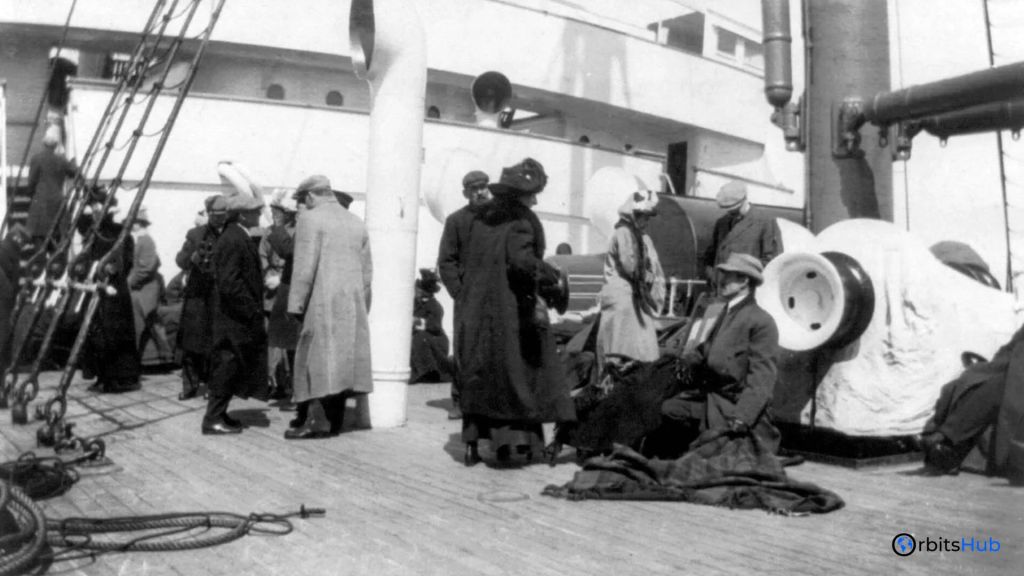
The R.M.S. Carpathia‘s story deserves recognition beyond its association with the Titanic tragedy. It was a vessel with a distinguished career, and its crew displayed remarkable heroism during an immense crisis. The Carpathia’s legacy is a testament to the unwavering spirit of maritime rescue and the power of human compassion in the face of tragedy.
The Carpathia’s Brave Response: A Night of Heroism
On the fateful night of April 15, 1912, the R.M.S. Carpathia etched its name in history as a symbol of courage and compassion. Upon receiving the distress signal from the sinking Titanic, Captain Arthur Rostron and his crew sprang into action. The Carpathia was located over 50 miles from the Titanic. Yet, the crew acted swiftly and decisively, pushing the ship to its limits to reach the disaster site as quickly as possible.
- Speed and Determination: Despite being a smaller passenger liner not built for speed, the Carpathia managed to travel at an impressive 17.5 knots, significantly faster than its usual cruising speed.
- Preparedness: Captain Rostron prepared the ship for a large-scale rescue operation en route. Lifeboats were readied, blankets and hot beverages were prepared, and medical teams were assembled. The crew’s readiness and calm in the face of potential danger highlighted their bravery and dedication to saving lives.
- Arrival and Rescue: Upon arrival, the crew faced the heartbreaking task of rescuing over 700 survivors from the icy waters. They provided comfort and care to the Titanic’s survivors, demonstrating physical bravery, emotional strength, and empathy. The Carpathia’s actions that night were a testament to the power of human compassion and the courage to act in the face of adversity.
Rescue Operations: The Carpathia’s Swift Action and Strategy
The rescue operations carried out by the R.M.S. Carpathia on the night of the Titanic disaster were well-coordinated and urgently executed. Captain Rostron’s leadership and the crew’s seamless teamwork ensured the rescue’s success.
- Coordination and Communication: Captain Rostron ordered the crew to establish communication with nearby ships and the Titanic. This coordination helped map the exact location of the Titanic’s distress signals. Despite the chaotic situation, the crew maintained clear and concise communication, crucial in navigating the icy waters and reaching the survivors quickly.
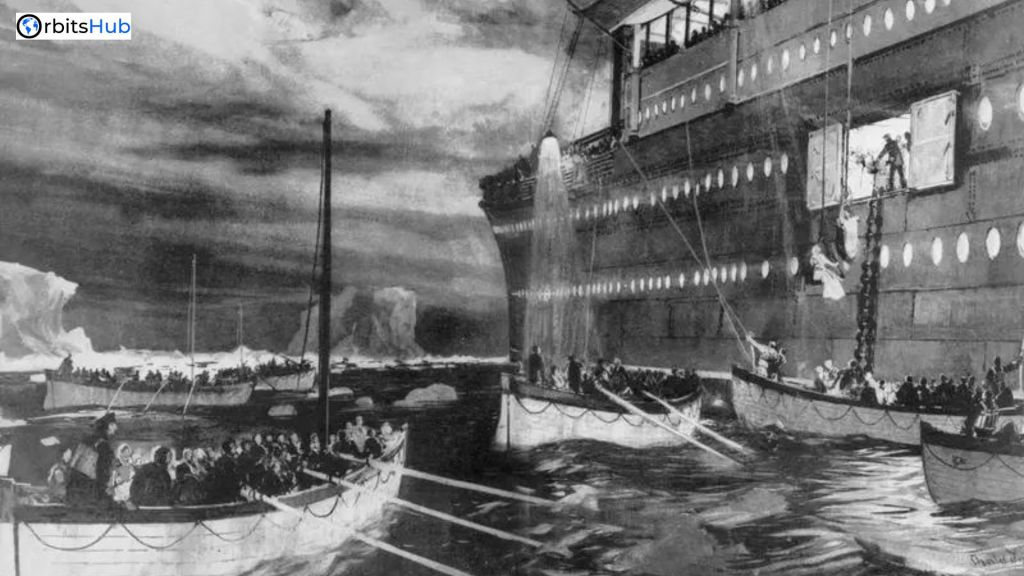
- Lifeboat Recovery: The Carpathia’s crew remarkably efficiently recovered lifeboats filled with Titanic survivors. The process was orderly, with crew members assigned specific tasks to assist passengers as they were brought aboard. The crew ensured that women and children were given priority, adhering to the maritime tradition of “women and children first.”
- Medical and Emotional Support: As survivors were brought on board, they received immediate medical attention. The Carpathia’s medical team, along with volunteer passengers, worked tirelessly to treat injuries, hypothermia, and shock. The crew also provided emotional support, offering warm blankets, drinks, and kind words to the traumatized survivors.
- Record Keeping and Documentation: The Carpathia crew meticulously documented the rescue efforts, noting the names and conditions of survivors. The crew’s thorough documentation and care for the survivors’ well-being showcased their professionalism and dedication.
From Distress Signal to Rescue: Carpathia’s Journey
The journey from receiving the Titanic’s distress signal to rescuing its survivors was a harrowing experience for the crew of the R.M.S. Carpathia.
- Receiving the Distress Call: At around 12:20 AM, the Carpathia’s wireless operator received the Titanic’s distress signal, indicating the ship sank after striking an iceberg. Captain Rostron immediately changed course and ordered the crew to prepare for a rescue mission. The speed and decisiveness of this response were critical in saving lives.
- Navigating Dangerous Waters: The journey to the Titanic’s location was fraught with challenges. The Carpathia navigated through ice fields and frigid waters, with Captain Rostron and his officers keeping a vigilant lookout for additional hazards. The crew’s skillful navigation through these dangerous conditions underscored their commitment to the rescue mission.
- Arrival and Search: Upon arrival at the disaster site, the crew was confronted with the grim reality of the situation. The Titanic had already sunk, leaving behind lifeboats and debris scattered across the water. The Carpathia’s crew initiated a thorough search, carefully scanning the area to locate and rescue as many survivors as possible.
- Continuous Rescue Efforts: The rescue operation continued for several hours, with the Carpathia’s crew pulling survivors from lifeboats and the icy waters. Despite the exhaustion and emotional toll, the crew remained focused on their mission, demonstrating unwavering resolve and compassion. Their actions ensured that over 700 individuals were safe, highlighting the crew’s resilience and dedication.
The Crew of Carpathia: Heroes of the High Seas
The crew of the R.M.S. Carpathia played a pivotal role in the rescue operation following the Titanic disaster, earning them recognition as true heroes of the high seas. Their collective efforts were marked by bravery, compassion, and an unwavering commitment to duty.
- Captain Arthur Rostron’s Leadership: Captain Rostron’s decisive actions and clear-headed leadership set the tone for the entire rescue mission. He swiftly made critical decisions, from increasing the ship’s speed to organizing the crew for the rescue. His leadership inspired confidence and calmness among the crew, which was crucial during the chaotic and emotional rescue.
- Engineering and Navigation Crew: The engineering team worked under extreme pressure to push the Carpathia beyond its normal operational limits, achieving crucial speeds for a timely rescue. The navigation crew’s expertise in maneuvering through dangerous ice fields ensured the ship’s safe passage to the disaster site, showcasing their skill and dedication.
- Medical and Support Staff: The Carpathia’s medical staff and volunteer helpers provided essential care to the survivors. They treated injuries, provided blankets and warm drinks, and offered comforting words to those in shock. Their efforts were instrumental in stabilizing the survivors and providing them with much-needed comfort.
- General Crew Members: Every Carpathia crew member played a vital role, from those handling the lifeboats to ensuring the survivors were fed and clothed. The crew’s willingness to go beyond their duties highlighted their collective sense of duty and humanity. They embodied the spirit of maritime camaraderie and selflessness, putting the needs of others above their own.
The Unsung Stories: Passengers Saved by the Carpathia
The R.M.S. Carpathia’s rescue operation saved over 700 lives and uncovered countless unsung stories of courage, survival, and humanity. The survivors’ experiences aboard the Carpathia offer a poignant glimpse into the immediate aftermath of the Titanic disaster.
- Acts of Kindness: Many Carpathia passengers, moved by the plight of the Titanic survivors, offered their cabins, clothing, and personal belongings to those in need. These acts of kindness and generosity comforted the survivors and demonstrated deep empathy and solidarity among those aboard the Carpathia.
- Reunions and Resilience: The Carpathia became a place of reunion for families and loved ones who had been separated during the chaos of the sinking. These emotional reunions were a source of great joy and relief amidst the tragedy. The resilience of the survivors, many of whom had lost everything, was a testament to the human spirit’s ability to endure and overcome.
- Stories of Survival: Among the survivors were individuals who had endured harrowing ordeals, such as being adrift in lifeboats for hours in freezing temperatures. Their stories of survival, marked by bravery and perseverance, were shared with fellow passengers and the crew. These accounts provided inspiration and hope, highlighting the strength and courage required to survive such a catastrophe.
- The Role of the Crew in Recovery: The Carpathia’s crew not only played a critical role in the physical rescue but also in the emotional recovery of the survivors. They provided a safe and supportive environment, allowing survivors to begin processing the traumatic events they had experienced. The crew’s compassion and support were crucial in helping the survivors begin their healing journey.