

The delta wing design, characterized by its triangular shape and swept-back wings, has significantly influenced the evolution of modern aviation. Initially introduced for its aerodynamic benefits, the delta wing configuration has various applications across military, commercial, and experimental aircraft. This blog explores the real-world applications of delta-wing, focusing on their unique advantages and how they have shaped the aviation industry. Whether you’re an aviation enthusiast or a professional, understanding these applications offers valuable insights into why delta wing designs remain relevant today.
Military Applications of Delta Wing Aircraft
The military sector has been a primary adopter of delta wing, mainly due to the design’s superior performance in high-speed and high-altitude environments.
High-Speed Performance and Maneuverability
One of the most significant advantages of delta-wing in military applications is their high-speed performance. The design minimizes drag, allowing aircraft to achieve and sustain supersonic speeds. This capability is crucial for fighter jets, which must outmaneuver opponents and evade enemy fire. The Mirage III, developed by Dassault Aviation, is a prime example. Introduced in the 1960s, this delta-wing aircraft was known for its agility and speed, making it a dominant force in various conflicts.
Stability at High Altitudes
Delta wing also offer enhanced stability at high altitudes, making them ideal for reconnaissance missions. The Lockheed Martin SR-71 Blackbird, although not a pure delta wing, incorporates delta-like features in its wing design. This aircraft could fly at altitudes exceeding 85,000 feet, allowing it to conduct surveillance missions while remaining out of reach of most surface-to-air missiles. The stability provided by the delta wing design was crucial for maintaining control in these extreme conditions.
Stealth Capabilities
In modern warfare, stealth is a crucial consideration. Delta wing designs contribute to the stealth capabilities of military aircraft by reducing the radar cross-section. The B-2 Spirit, a stealth bomber developed by Northrop Grumman, employs a flying wing design incorporating delta wing principles. This aircraft can penetrate deep into enemy territory undetected, delivering payloads with precision. The delta wing’s smooth, continuous surface helps deflect radar waves, making the aircraft less visible to enemy radar systems.
Aerodynamic Advantages of Delta Wing Aircraft
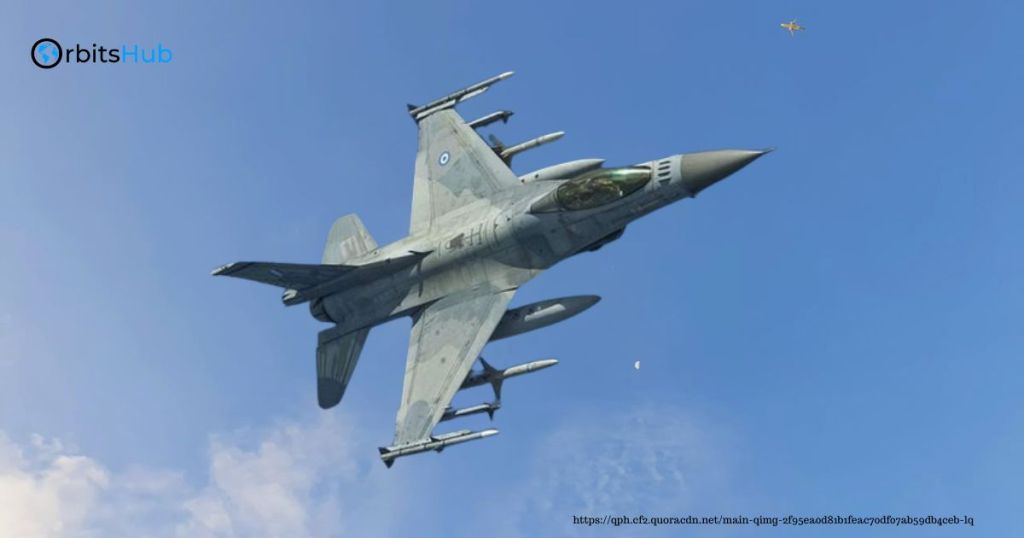
Understanding the aerodynamic benefits of delta-wing is essential for appreciating their real-world applications.
Lift and Drag Characteristics
Delta wing generate lift through a combination of angle of attack and wing shape. The design allows for a higher angle of attack without the risk of stalling, which is particularly advantageous during takeoff and landing. Additionally, the swept-back nature of the delta wing reduces drag at high speeds, making it easier for the aircraft to achieve and maintain supersonic velocities. This lift and drag balance is a critical factor in the design of high-performance aircraft.
Structural Strength and Durability
The delta wing design also offers structural benefits. The wing’s triangular shape distributes stress evenly across the aircraft, reducing the likelihood of structural failure. This durability is paramount in military applications, where aircraft may be subjected to extreme G-forces during combat maneuvers. The robust nature of delta wing designs ensures that these aircraft can withstand the rigors of high-speed flight and combat situations.
Versatility in Design and Function
Delta wing aircraft are versatile, offering a range of design possibilities. The wings can be blended smoothly into the fuselage, as seen in the Concorde or designed as part of a flying wing concept, as in the B-2 Spirit. This versatility allows designers to tailor the aircraft to specific mission requirements, whether for speed, stealth, or payload capacity. The adaptability of the delta wing design is one of the reasons it has been used in such a wide variety of aircraft.
The Future of Delta Wing Aircraft
There are exciting new innovations on the horizon for delta wing, which bodes well for their future.
Advances in Materials and Technology
Recent advances in materials science and aerodynamics are helping to address some of the limitations of delta-wing aircraft. Using composite materials, for example, can reduce weight and improve the structural integrity of delta wing designs. Additionally, advancements in flight control systems are enhancing the maneuverability of these aircraft at lower speeds. These innovations will likely lead to a new generation of delta-wing aircraft that can overcome earlier models’ challenges.
Reemergence of Supersonic Travel
There is growing interest in reviving supersonic passenger travel, with several companies working on new delta wing designs for commercial aircraft. These efforts aim to build on the legacy of the Concorde, using modern technology to create faster, more efficient, and environmentally friendly supersonic jets. These aircraft could revolutionize air travel, making long-distance flights shorter and more comfortable.
UAVs and Autonomous Aircraft
The continued development of UAVs and autonomous aircraft is another area where delta wing designs are likely to play a significant role. The efficiency and stability of delta wing configurations make them ideal for long-duration missions, where endurance and reliability are critical. As autonomous technology advances, we expect to see more delta-wing UAVs deployed for various tasks, from surveillance to cargo delivery.
Delta wing aircraft have impacted the aviation industry, with applications ranging from high-performance military jets to groundbreaking commercial airliners. While the design presents particular challenges, its advantages include its speed, stability, and versatility, which ensure that delta-wing will continue to play a vital role in the future of aviation. More and more novel applications of delta-wing designs, especially in the realms of autonomous flying and supersonic travel, are likely to emerge as technology advances.
For those interested in exploring the possibilities of delta wing aircraft, Orbitshub offers expert consultancy services in maritime and aviation. Stay ahead of the curve in this fast expanding industry with the help of our team’s insights and guidance on the newest advances in the field. Reach out to us today to find out how we can help you understand and handle the intricacies of today’s aviation industry.


