

Navigating the vast seas on a majestic vessel is a dream for many. However, when choosing the right kind of ship for your journey, understanding the differences between a cruise ship vs ocean liner becomes crucial. This comprehensive guide will delve into the unique characteristics, purposes, and experiences offered by these two giants of the sea. This showdown will inform you of your future holiday or maritime trip selection.
What Are Cruise Ships and Ocean Liners?
Cruise ships and ocean liners are large passenger ships but serve different purposes and offer distinct experiences. A cruise ship is designed primarily for pleasure voyages, where the journey itself and the ship’s amenities are part of the vacation experience. In contrast, an ocean liner is built for transportation, especially for long-distance voyages across open oceans, such as transatlantic crossings.
Importance of Understanding the Differences
Choosing between a cruise ship and an ocean liner can significantly impact your travel experience. Each vessel offers unique features, from the design and structure to the type of journey and onboard activities.
Design and Structure
Cruise Ship Design

Cruise ships are designed with comfort and entertainment in mind. They are often larger and more spacious than ocean liners, featuring numerous decks with amenities such as swimming pools, theatres, shopping centres, and multiple dining options. The primary goal is to create a floating resort where passengers can enjoy various activities and services.
Ocean Liner Design
Ocean liners, on the other hand, are built for speed and stability. Their design focuses on withstanding rough sea conditions during long voyages. They typically have a sleeker, more robust hull and a deeper draft to enhance strength and speed. While they have luxurious amenities, they emphasise providing a smooth and safe journey across open oceans.
Purpose and Routes
Cruise Ship Purpose and Routes
Cruise ships are designed for leisure travel, often sailing to multiple destinations within a single voyage. Popular routes include the Caribbean, Mediterranean, and Alaska. These ships usually sail in calmer waters, and the itineraries are crafted to maximise the enjoyment of onboard activities and shore excursions. Cruises often range from a few days to several weeks, catering to vacationers looking for a relaxing and entertaining getaway.
Ocean Liner Purpose and Routes
Ocean liners, such as transatlantic crossings between Europe and North America, are built for long-distance, point-to-point travel. Historically, they were the primary means of intercontinental travel before commercial air travel. Today, a few ocean liners are still operating, the most famous being the Queen Mary 2. The focus of these voyages is on transportation rather than leisure, though they offer luxurious accommodations and services.
Onboard Experience
Cruise Ship Onboard Experience
Cruise ships offer many onboard activities and entertainment. Passengers can enjoy Broadway-style shows, gourmet dining, spa treatments, water parks, and more. There are also numerous clubs and lounges for socialising and activities geared towards families and children. The atmosphere is generally relaxed and festive, emphasising fun and enjoyment.
Ocean Liner Onboard Experience
While ocean liners also offer luxurious accommodations and fine dining, the onboard experience is more subdued and focused on the journey. Activities are often more refined and may include lectures, classical music performances, and formal dining events. The ambience is elegant and sophisticated, appealing to travellers who appreciate a more traditional and serene travel experience.
Speed and Stability
Cruise Ship Speed and Stability
Cruise ships are designed to sail in relatively calm waters and do not prioritise speed. Their hulls are broader to accommodate more passengers and amenities, which can make them less stable in rough seas compared to ocean liners. Modern cruise ships use stabilisers to decrease motion and make travel more comfortable.
Ocean Liner Speed and Stability
Ocean liners are built for speed and stability, which are essential for their long voyages across often turbulent seas. Their sleek design and powerful engines enable them to travel faster and handle rough weather conditions better than cruise ships. This makes ocean liners the preferred choice for passengers, prioritising smooth and swift crossings.
Historical Significance
Cruise Ship History
The concept of cruise ships as we know them today began to take shape in the mid-20th century. As air travel became more accessible, the demand for traditional ocean liners declined, leading to the rise of cruise ships designed for leisure travel. Companies like Royal Caribbean and Carnival Cruises pioneered the industry, creating floating resorts that became popular vacation destinations.
Ocean Liner History
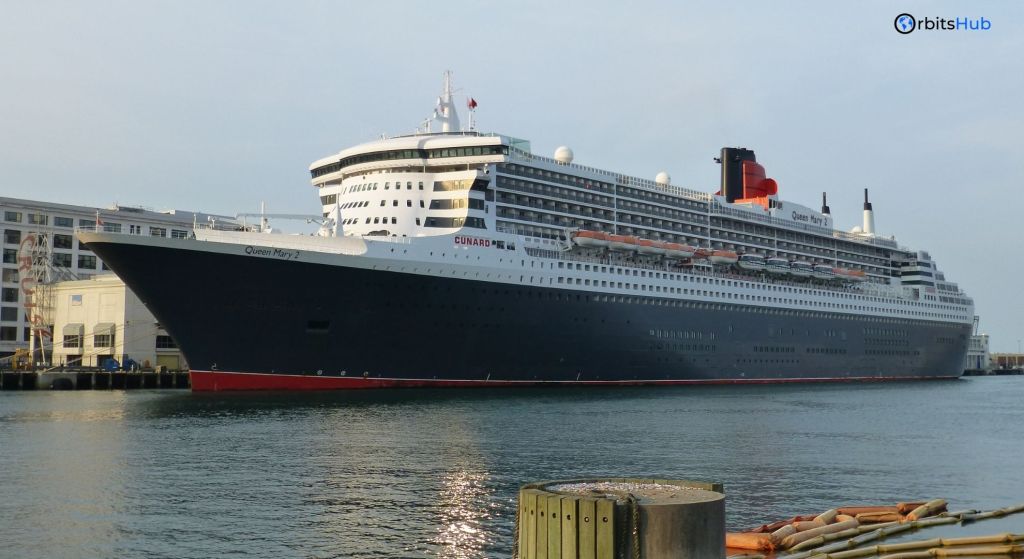
Ocean liners have a rich history dating back to the 19th century. They were the primary means of intercontinental travel, carrying passengers and cargo across the oceans. Famous liners like the Titanic and the Queen Mary played significant roles in maritime history. Despite the decline in demand with the advent of air travel, some ocean liners, such as the Queen Mary 2, continue to operate, offering a glimpse into the golden age of sea travel.
Cost and Accessibility
Cruise Ship Cost and Accessibility
Due to their flexible cost, cruise ships are accessible to more people. From budget-friendly cabins to luxurious suites, there is something for every traveller. Additionally, cruise ships often have flexible departure points and itineraries, making it easy for passengers to find a cruise that fits their schedule and budget.
Ocean Liner Cost and Accessibility
Ocean liners are more expensive due to their specialised design and longer voyages. The limited number of ocean liners in operation also means fewer departure points and itineraries. However, for those who value the unique experience of a transatlantic crossing or a long-distance voyage, the cost can be justified by the unparalleled luxury and historical significance.
Choosing Your Ideal Sea Voyage
In the ultimate showdown between cruise ships and ocean liners, the decision ultimately comes down to your travel preferences and priorities. A cruise ship is ideal if you seek a vacation filled with entertainment, diverse activities, and multiple destinations. On the other hand, if you value speed, stability, and the elegance of a traditional sea voyage, an ocean liner will provide a memorable and luxurious experience.
Explore More with OrbitsHub
For more insights into maritime travel and to explore a wide range of consultancy services, visit the OrbitsHub website. Whether you are planning a cruise vacation or interested in the history and legacy of ocean liners, This Website offers expert advice and comprehensive information to enhance your travel experience. Discover the world of maritime and aviation consultancy with OrbitsHub today!


